Ethiopian Specialty Coffee: Yirgacheffe vs Kochere Flavor Comparison and Pour-Over Guide
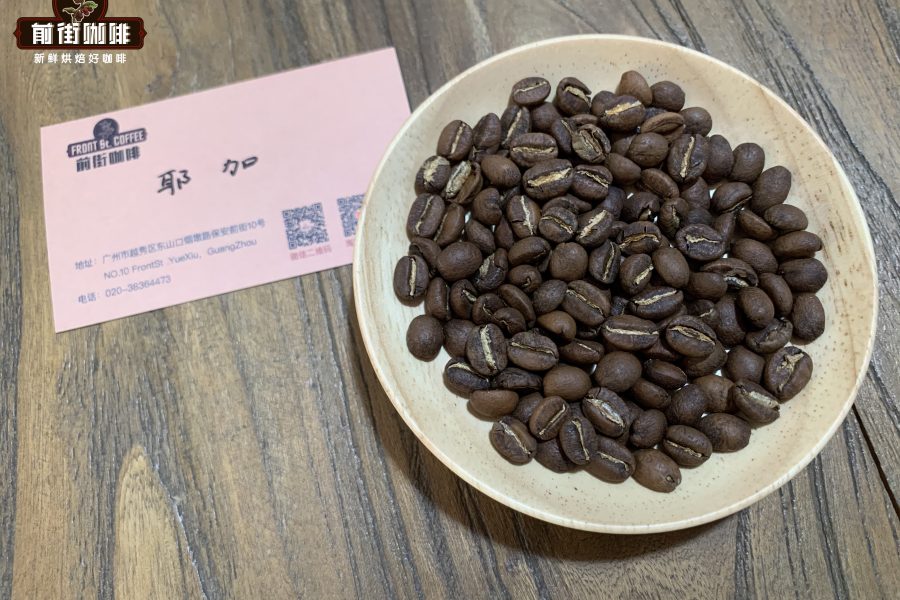
Introduction: Ethiopia, the birthplace of coffee, is globally renowned for the unique floral and fruity notes and bright acidity of coffee beans from the Yirgacheffe and Kochere regions. This article provides an in-depth analysis of the flavor characteristics and quality grading standards of these two famous regions, offers professional-level flavor comparison advice to help coffee enthusiasts choose the most suitable specialty coffee beans based on personal preference, and includes pour-over parameter references.
In the specialty coffee sector, Ethiopia has always held an irreplaceable position. This country, recognized as the gene pool of coffee, is known for the complex aroma layers and signature citrus notes of beans from its southern Yirgacheffe region. Coffees from this area generally exhibit bright acidity, a light body, and a unique aftertaste interwoven with honey and tea-like sensations—traits that have long placed them at the top of purchasing lists for professional roasters worldwide.
Located south of the Yirgacheffe region, Kochere is a highly representative micro-region among the 77 administrative districts of the SNNPR state. Geographically, Kochere actually falls under the Gediyo sub-region of the greater Yirgacheffe area, but its independent terroir has fostered distinct characteristics. The area can be further divided into multiple micro-plots by altitude gradient, and some specialty lots even indicate specific village names (e.g., Chelelektu), processing station information (e.g., Arlim processing station), or micro-region identifiers (e.g., Banko Gutiti). This refined traceability system ensures flavor consistency and also increases the collectible value of top-tier lots.
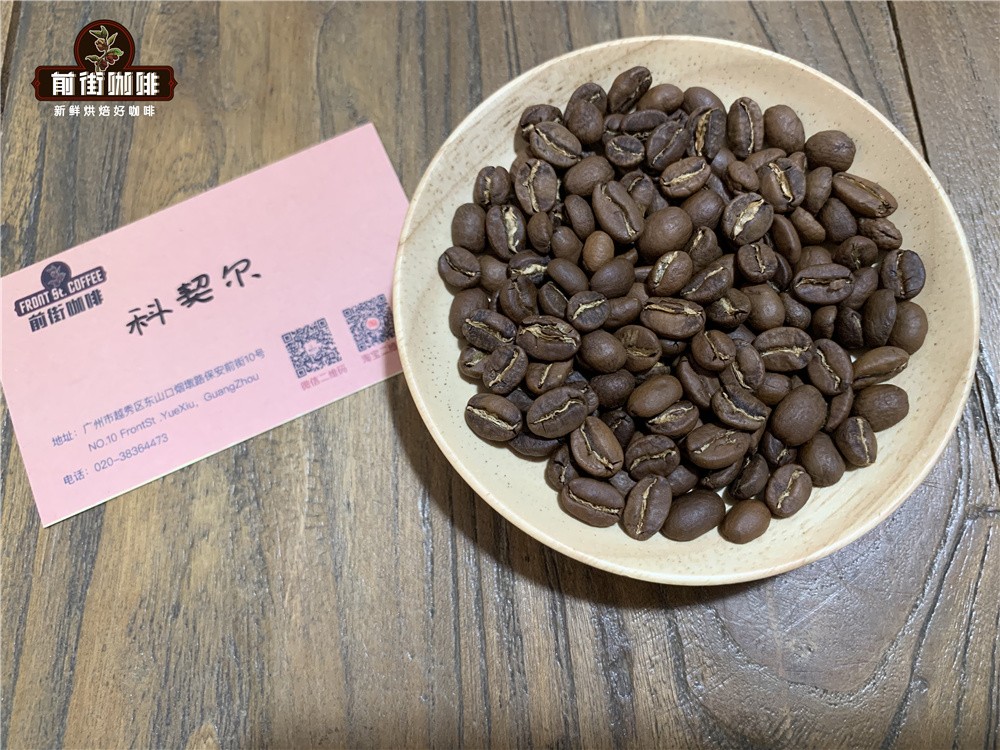
In terms of quality grading, Ethiopia officially adopts the SCAA standard to classify coffee beans into five grades, G1 to G5, with G1 representing top quality with no more than 3 defective beans per 300 grams of green coffee. For example, Yirgacheffe Kochere lots that meet G1 grade typically possess three core characteristics: first, distinct lemon and bergamot citrus notes; second, accompanied by white floral aromas (such as jasmine and orange blossom) and tropical fruit notes (such as passion fruit and honeydew); finally, a noticeable spicy tea sensation like turmeric and cinnamon on the palate. These flavor compounds mainly originate from local heirloom varieties (such as Heirloom) and the high-altitude growing environment (generally 1800-2100 meters above sea level).
For coffee enthusiasts, choosing between the core Yirgacheffe region and the Kochere micro-region is essentially a trade-off in flavor emphasis. Typical traditional Yirgacheffe lots often highlight sharper citrus acidity and jasmine floral notes, suitable for those who prefer a fresh and bright profile; while Kochere, being close to the volcanic soil belt, usually offers rounder stone fruit sweetness (such as apricot) and softer spice layers, with a more balanced acidity-to-bitterness ratio. Professional advice suggests that beginners start with Kochere and gradually transition to the classic Yirgacheffe region to build a complete flavor understanding system.
In practical brewing, it is recommended to use G1-grade green beans with a medium roast (Agtron 65-70). When using a V60 dripper, pay attention to the following key parameters: coffee-to-water ratio 1:15-1:16, water temperature 90-92°C, grind size equivalent to fine granulated sugar (75% passing through a Chinese standard No. 20 sieve). The three-stage pouring method (30ml bloom → center pour to 125ml → circular pour to 225ml) can effectively highlight the layered floral and fruity aromas. Note that Ethiopian coffee's peak degassing period is concentrated 8-12 minutes after brewing; it is recommended to complete the tasting within this window for the best flavor experience.


