Ethiopia Yirgacheffe Aricha Natural G1 Pour-Over Guide: Varietal Traits and Brew Parameters
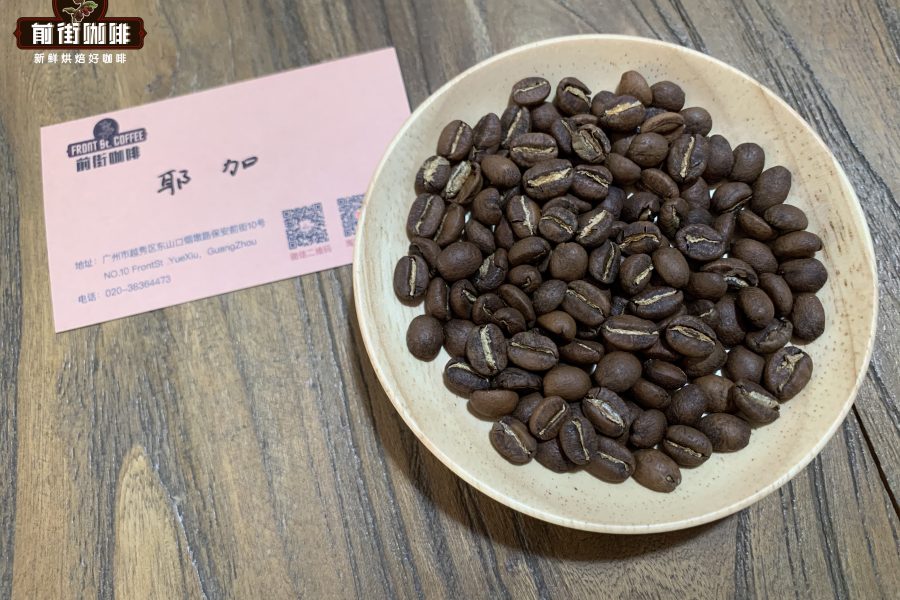
Introduction: This article takes an in-depth look at the unique varietal background and processing of Ethiopian Yirgacheffe Aricha Natural G1 coffee beans, and through four different pour-over experiments summarizes the optimal brew parameters and flavor performance. From ice filter to V60, from water temperature control to grind size selection, it guides you to master the essence of this "fruit bomb"-level coffee and avoid common brewing pitfalls.
Ethiopia's Yirgacheffe region is hailed as the genetic treasure trove of Arabica coffee, and Aricha Natural G1 is one of the gems of this land. The varietal of this coffee belongs to Ethiopian Heirloom Varietals, and it completes natural processing at the Kebel Aricha processing station. Around this station gather about 650-700 smallholder coffee farmers, who deliver their picked ripe cherries here for processing.
The station's natural process is extremely meticulous: after sorting, the coffee cherries are spread evenly on raised beds for natural drying, and for the first 3 days they must be turned once every 2-3 hours to prevent excessive localized fermentation. The entire natural drying cycle lasts 4-6 weeks, during which the turning frequency must be adjusted according to the weather. After drying is complete, the parchment beans have the outer fruit layer removed by machine, and are then transported to the capital, Addis Ababa, for storage, with hulling only carried out before export—this storage method effectively preserves the freshness of the green beans.
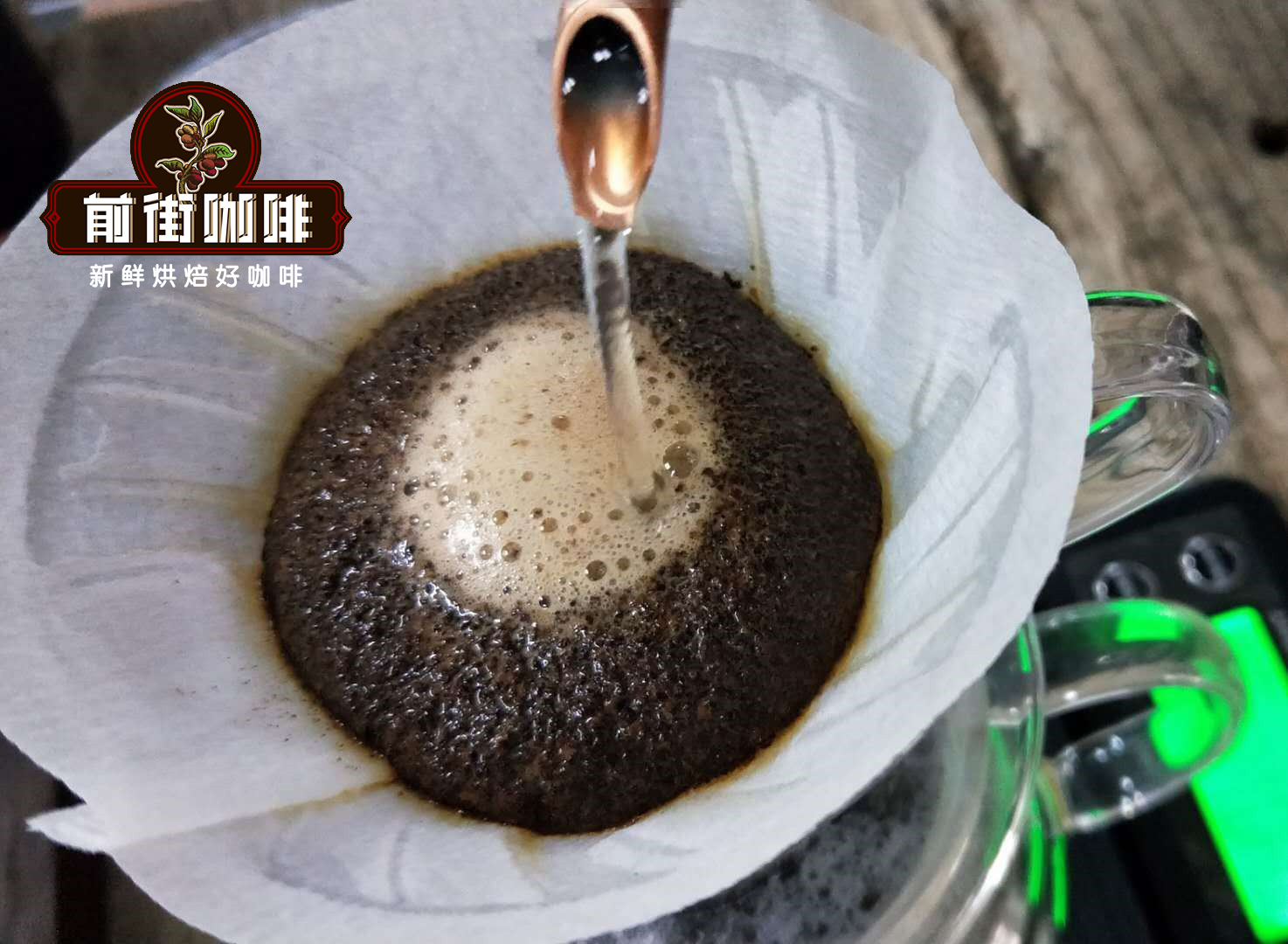
The author first tried the ice filter pour-over method, pouring hot water directly into a server with ice. Although the ripe berry and fermented wine aromas given off during the wet aroma stage differed markedly from traditional Yirgacheffe, the silky mouthfeel and distinctly layered body that appeared on the palate were stunning. The prominent sweetness far exceeded similar natural beans, and the fruity aftertaste that lasted more than half an hour perfectly interpreted the reputation of "fruit bomb."
The subsequent three V60 pour-over experiments revealed the key influence of parameters on flavor: when a lower water temperature was used the second time, the berry aroma was intense but the citric acidity in the finish was too sharp; after raising the water temperature the third time, the wet aroma approached the washed style and bitterness began to appear; finally, by adjusting the water-to-coffee ratio (first 15:1, then raised to 18+) and lowering the water temperature, a balanced fruity tea flavor was successfully obtained. It is worth noting that the coffee grounds stored for half a month, in the ice drip experiment, presented a mellow body like dark chocolate, but the accompanying bitterness and off-flavors indicated that it is more suitable for hot brewing.
After multiple tests, the following V60 golden parameters are recommended: use a BG-6S grind size (close to the texture of fine granulated sugar), paired with a water temperature of 91°C. Use a three-stage pouring method—the first stage of 30g water for a 40-second bloom to activate the coffee grounds, then pour until the water reaches 125g and pause, and when the water level drops to the edge of the coffee bed, continue pouring to a total water amount of 225g. Control the entire extraction to finish in about 2 minutes, which can effectively highlight the tropical fruit flavor group of cream, strawberry, raisin, and so on.
Professional tip: natural Yirgacheffe is extremely sensitive to grind coarseness; it is recommended to use a conical dripper (such as V60) with a medium-fine grind. If using a flat-bottom dripper (such as Kalita Wave), the bloom time should be appropriately extended to 45 seconds. Regarding freshness, 2-3 weeks after roasting is the peak flavor period; during storage, keep it sealed and away from light in a cool place to avoid high temperatures accelerating flavor loss.


