Ethiopia Hualukui 4.0 Pour-Over Guide: Three-Pour Parameters and Flavor Analysis
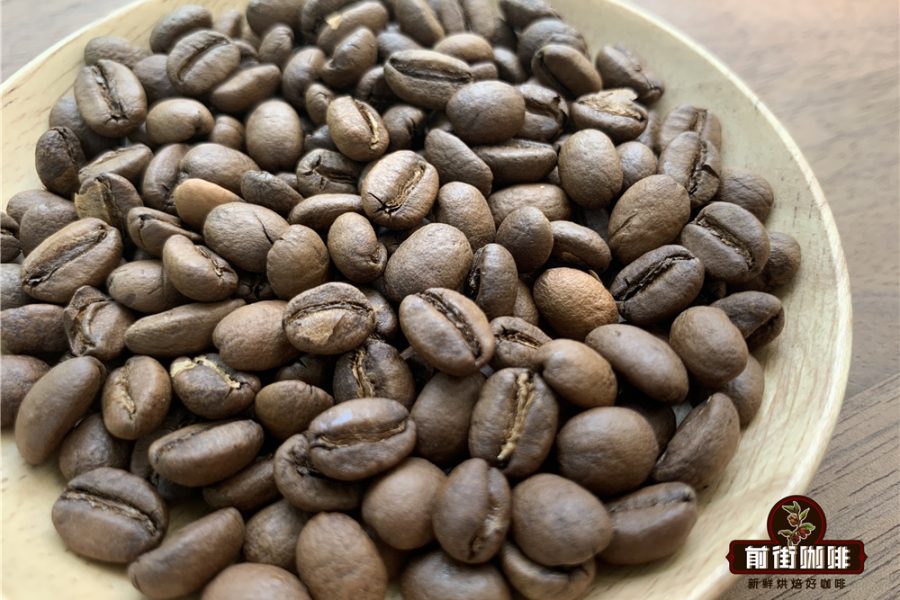
Introduction: This article details a professional pour-over recipe for Hualukui 4.0 coffee beans from the Guji zone of Sidamo, Ethiopia, from the three-pour technique to precise extraction parameters, helping you master the best way to present this highly popular bean. In addition to the standard 2-minute routine, it offers practical details such as judging bloom timing and controlling the coffee-to-water ratio, and includes a clear citrus-berry flavor map to help you brew a bright tea-like body and lasting sweetness.
Hualukui 4.0 coffee beans from the Guji zone of Sidamo, Ethiopia, have become the everyday-bean choice for many coffee lovers thanks to their signature citrus acidity and berry-juice texture. To fully unlock this floral-fruity tea character, a consistent three-pour pour-over method is especially key—it avoids the over-extracted bitterness common among beginners while bringing out layered flavors through precise parameter control.
Step 1: The bloom stage that decides success or failure (bean freshness and grind size are the basic prerequisites). When green beans are transformed into roasted beans by roasting, a large amount of carbon dioxide accumulates inside (dark roasts usually release more gas than light roasts). After gently leveling the surface of the coffee grounds, inject water at 90-92°C equal to twice the dose weight (for example, 60 ml of water for 30 g of grounds); this step expels gas and lets the grounds pre-wet evenly. Observe closely: freshly roasted beans show more active bubbles during the bloom, and at around 30 seconds, when the surface of the bed changes from expanding to evenly shrinking, you can move on to the main brewing stage. An insufficient bloom leads to uneven extraction, while an excessive bloom may draw out off-flavors.
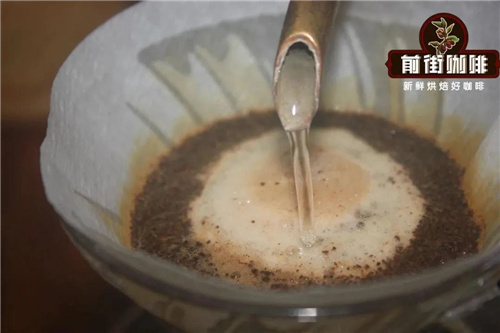
For the second pour, control the flow strength and coverage: using a gooseneck kettle, with the center as the pivot, send a small vertical stream through to the bottom of the bed, keeping the circling diameter about the size of a one-yuan coin (about 2-3 cm). When the stream approaches the edge of the filter paper, stop pouring immediately; at this point the cumulative water added reaches 125 g (corresponding to a coffee-to-water ratio of 1:4.2). Then stop and wait for the water level to drop naturally. The focus of this stage is keeping the flow steady and avoiding washing the filter paper, which causes channeling.
Start the third pour when the water level has dropped to about half the height of the coffee bed. Continue pouring in circles from the center outward until the total water reaches 225 g (full coffee-to-water ratio 1:7.5); during this process, gently swirl the kettle to encourage the grounds to tumble. The foam on the surface will increase noticeably now, so pay special attention: the interval between pours should not exceed 5 seconds, otherwise the bottom-layer particles that soak too long easily release astringent compounds. When the water level again nears the filter paper, remove the dripper decisively; the total time measured from the start of the bloom should be kept in the 1 minute 50 seconds to 2 minutes 10 seconds range as the optimal balance.
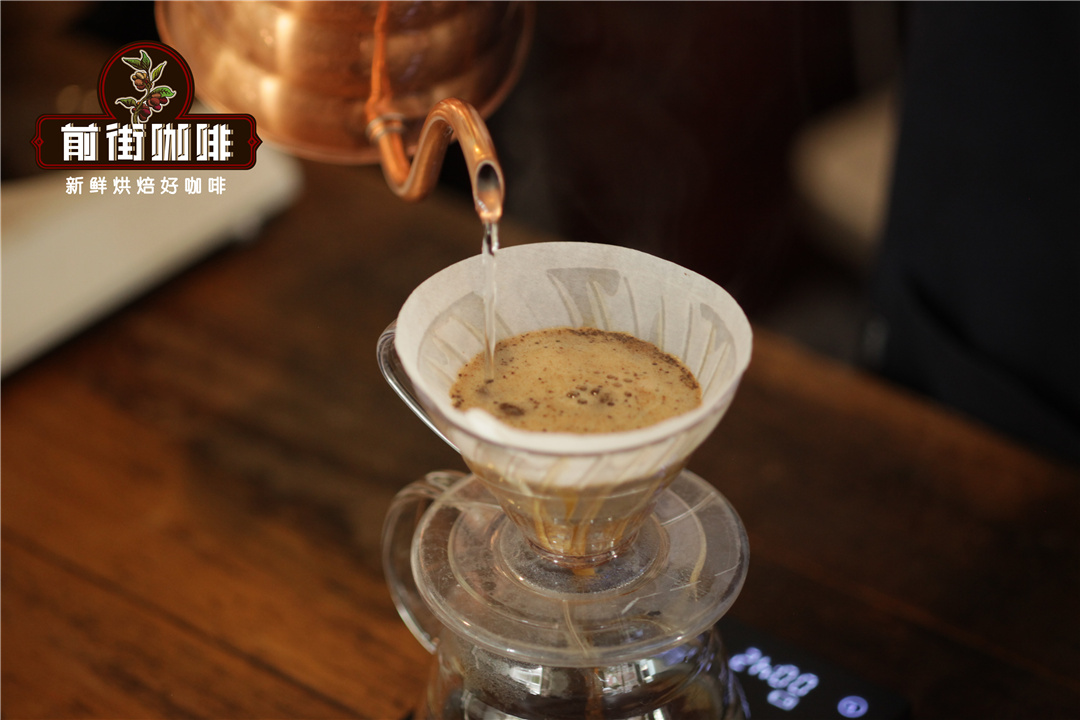
Regarding grind adjustment, a medium-fine grind (similar to the texture of fine granulated sugar) is recommended. If you notice obvious astringency mid-brew, adjust the grind setting half a step coarser; if the finish tastes thin and flavorless, grind slightly finer and shorten the pouring intervals. Note that water hardness at different altitudes affects extraction efficiency; using filtered water is recommended for a purer berry-tea character.
The typical flavor profile of this Hualukui 4.0 can be divided into three layers: on the first sip, a vivid grapefruit-peel acidity and the liveliness of red currant; the mid-palate transitions into a full, juicy peach-like flesh texture; and the finish reveals the gentle astringency of Ceylon black tea and a brown-sugar sweetness. The overall sweetness can last 3-5 minutes after brewing ends, and the floral-fruity character becomes even more concentrated when served cold. Once you have mastered the above parameters, you can fine-tune the water ratio to your taste—lower it to 1:15 for brighter acidity, or raise it to 1:14 for a fuller body.


