Guatemala Flor de Café Flavor Guide: Antigua Growing and Washing
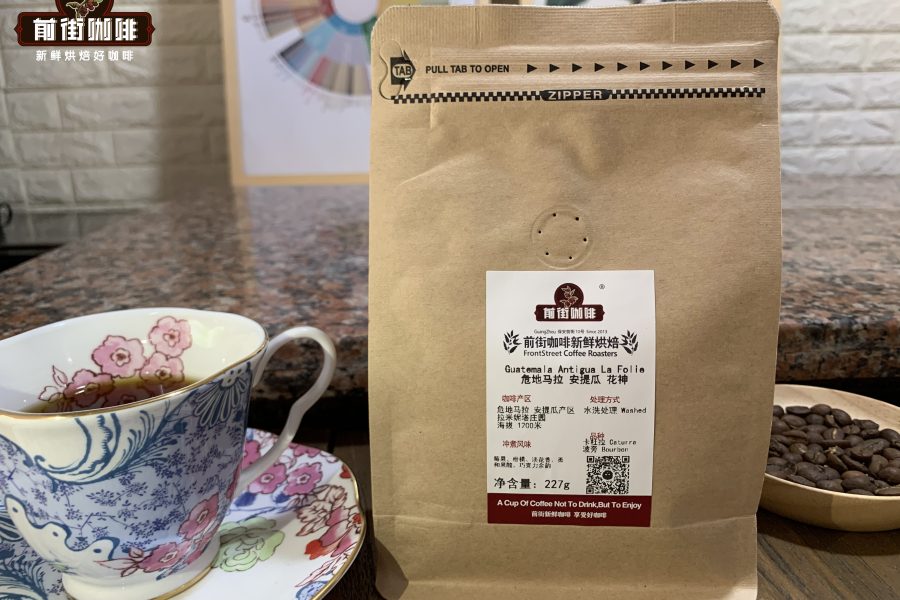
Introduction: Flor de Café from Guatemala's Antigua region is known for its distinctive floral aroma and balanced sweetness and acidity. This article details the altitude, microclimate, and variety characteristics of its core growing belt, and explains how washed processing shapes its bright citrus notes and caramel finish. From the volcanic soil conditions at 1,200–1,600 meters to the harvest window for SHB-grade hard beans, this guide helps you master the flavor code and brewing parameters of this classic pour-over bean.
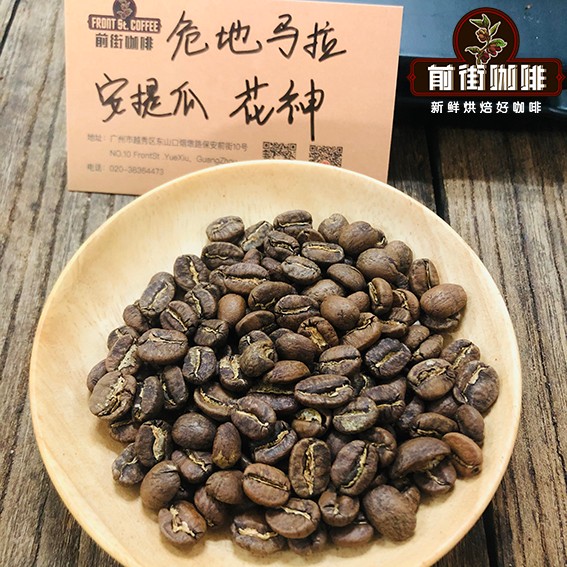
Guatemala's Antigua region is a jewel on the global specialty coffee map. Its core growing belt lies in a valley surrounded by three active volcanoes, at altitudes generally reaching 1,200–1,600 meters. The diurnal temperature difference here is stable at 5–8°C, and with regular annual rainfall of 1,500–2,000 mm, it provides an ideal growing environment for Arabica coffee trees. Of particular note, the soil in this area is rich in phosphorus and potassium deposited by volcanic ash, which effectively enhances the accumulation of sweetness compounds in the coffee fruit.
Flor de Café, under the representative brand La Minita, mainly uses two classic varieties: Bourbon and Caturra. Bourbon is known for its high sweetness, with a sugar conversion rate of 22–25% once the fruit ripens, while Caturra has a brighter citrus acidity. Under the SHB (Strictly Hard Bean) standard, these two varieties require a growing altitude strictly above 1,350 meters, ensuring caffeine content stays in the 1.2–1.5% range and bringing a fuller body.
The washed processing method is key to the clarity of Flor de Café's flavor. Local processing plants use a double fermentation system: the first stage is aerobic fermentation with the mucilage layer retained for 18–24 hours, and when the pH drops to 4.2, the beans are transferred to a clean water tank for secondary fermentation. This process precisely removes grassy off-flavors while retaining the floral and fruity aroma precursors specific to the variety. Data shows that green coffee beans processed this way can have a total aromatic substance content 1.8 times that of untreated samples.
The harvest season in this region is concentrated from January to mid-March each year, when the sugar content of the coffee fruit generally reaches 20–22°Brix. Strict manual selection requires picking only fully red cherries, and the annual yield per coffee tree is controlled at 8–10 kg of fresh fruit to ensure concentrated nutrient supply. Notably, Antigua's unique morning mist climate (average daily humidity 65%±3%) extends the fruit's color-changing period, making the final coffee beans as dense as 0.78–0.82 g/cm³, which is an important reference for setting grind size.
In terms of flavor expression, Flor de Café presents a typical three-stage profile: at high temperatures (90–85°C), jasmine and white floral notes dominate, accompanied by a refreshing hit of citric acid; at mid temperatures (80–75°C), it shifts to caramel sweetness and roasted almond nuttiness; and in the low-temperature finish (below 65°C), a faint smoky mineral note emerges. Professional cupping data shows its acidity strength stays at pH 5.2–5.4 and its body score reaches 8.2/10, making it an ideal choice for pour-over and siphon brewing.
For home brewing, a medium grind is recommended (70–75% passing a Chinese standard No. 20 sieve), with a coffee-to-water ratio of 1:15 and a water temperature of 92–94°C. Use a center-outward pouring method, with the first stage adding 30% of the total water for a 30-second bloom, which effectively releases the floral and fruity aromas. Note that because SHB-grade hard beans have thicker cell walls, it is recommended to extend the extraction time to 2 minutes 10 seconds to ensure full extraction of caramelized compounds.


