Colombia Huila Coffee: Flavor Analysis and Pour-Over Parameter Guide
Introduction: Explore the geographical advantages and coffee-growing traditions of Colombia's Huila region, and discover how its unique microclimate produces specialty coffee beans with layered flavors. This article not only explains Huila coffee's signature fruit acidity and full body in detail, but also provides professional-level roasting advice and pour-over recipes to help you precisely capture the unique character of each bean.
On the path of coffee lovers advancing from instant to specialty coffee, the Huila region of Colombia is becoming a new favorite among experienced enthusiasts. This volcanic soil zone on the southern slopes of the Andes, with its narrow terrain of 19,890 square kilometers and elevations averaging 1,800-2,200 meters, produces high-quality coffee beans that combine bright fruit aromatics with solid body.
The Huila region borders Cauca Department to the west and the Tolima mountain range to the east. The Magdalena River runs through it, and it is also home to the country's second-highest peak, the 5,364-meter Nevado del Huila volcano. This special geological environment, where high mountains and an active volcano coexist, provides coffee trees with mineral-rich acidic red soil. Combined with a microclimate whose day-night temperature difference exceeds 10°C, it allows coffee cherries to slowly accumulate sugars and flavor compounds.
The region's main production units are small family farms, with typical farm sizes of only 2-3 acres (about 8,000-12,000 square meters). This fine-scale farming model ensures that every coffee tree receives ample care. Unlike the large plantations in the north, Huila coffee farmers generally use shade-growing techniques, retaining native tree species to create an ideal growing environment for coffee trees. This traditional practice both protects biodiversity and extends the ripening period of coffee cherries to 9-11 months.
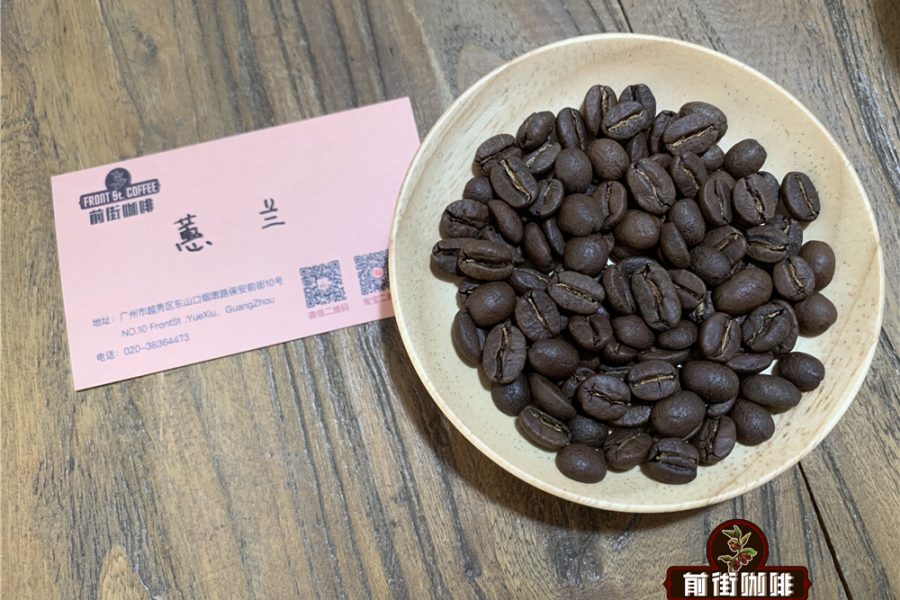
In terms of processing, more than 90% of Huila's specialty beans are washed. By strictly controlling fermentation time (usually 18-36 hours) and rinsing more than three times with clean water, the beans' pure fruit acidity is effectively preserved while the risk of defects is reduced. Local roasters recommend roasting these beans to a medium-dark level (Agtron #55-#65), which perfectly balances the layered expression of citrus acidity and chocolate finish.
In actual tasting, Huila coffee usually shows a three-stage flavor evolution: the first sip offers bright red apple and lime acidity, the middle turns to caramel sweetness and a black-tea-like full body, and the finish brings out almond and dark chocolate notes. Professional baristas recommend using 90-93°C water with a V60 dripper (1:15 coffee-to-water ratio) for pour-over. For the pouring rhythm, a "three-stage extraction method" is suggested—first pour 30% of the hot water and let it bloom for 30 seconds, then pour in stages and pause for 30 seconds when two-thirds of the total water has been added, and finally complete the remaining pour to fully develop the flavors.
It is worth noting that Huila's micro-regions, such as San Augustín and El Pital, each have their own characteristics: the former has a unique tropical fruit profile due to its proximity to a volcanic lake, while the latter, because of its high elevation (averaging 1,950 meters), produces beans with more tea-like body. When choosing, consumers can trace specific terroir characteristics by checking the growing elevation and processing plant number on the green bean certificate.
From a price perspective, Huila specialty beans typically retail for 3-5 times the price of ordinary commercial beans (about 80-120 yuan per kilogram), which is directly related to its strict picking standards (only fully ripe red cherries are harvested) and the cost of manual pulping. For enthusiasts new to specialty coffee, it is recommended to start with washed, medium-light roasted beans and gradually build a sensory understanding of the region's terroir."


