Colombia Huila Flower Moon Night Coffee Pour-Over Guide: Brewing Parameters and Flavor Analysis
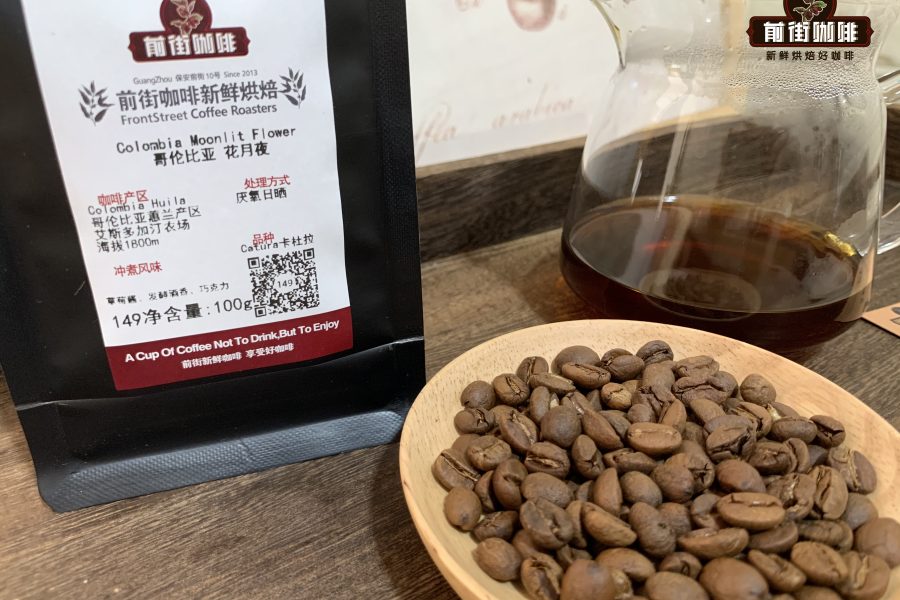
Introduction: Flower Moon Night coffee from the Huila region is known for its anaerobic natural processing. Its distinctive berry notes and rich, lingering finish require precise brewing parameters to be fully expressed. This article details pour-over techniques for this specialty bean grown above 1,500 meters, provides a complete parameter plan from grind size to water temperature, and explains the geographical code behind its floral and dark cocoa flavors, helping you brew a well-balanced cup.
The flavor code of coffee lies deep in the interplay between growing environment and processing method. Altitude, microclimate differences, volcanic soil composition and even the post-harvest fermentation method all directly affect the taste layers in the final cup. As the country's core specialty coffee region, Colombia's Huila department, with its mountain-ringed geography and abundant water, offers unique conditions for cultivating distinctive flavors.
The Huila region lies on the southern slopes of the Central Cordillera in southern Colombia, with planting altitudes generally above 1,500 meters. It is not only where important rivers converge, but also, because of the significant day-night temperature difference (usually 8-12°C), the ripening of coffee cherries is slowed, allowing sugars and aromatic compounds to accumulate more fully. The region's distinctive red clay soil, rich in iron and phosphorus, gives the coffee a clear base of body and richness.
For light-roasted Flower Moon Night coffee beans (anaerobic natural process), the following golden parameter combination is recommended: use 15 grams of ground coffee with 225 milliliters of water (coffee-to-water ratio 1:15), and set the grind to a medium-fine level with about 78% passing a No. 20 standard sieve—equivalent to roughly 78% of particles remaining after sieving with a Chinese standard 20-mesh screen, slightly coarser than household fine sugar. Before pouring, note especially: the water temperature during the pre-infusion stage should be kept stable at 91±1°C. Too high easily causes over-extraction and astringency; too low makes it hard to bring out the fruity aroma layers.
The actual operation can be divided into three stages:
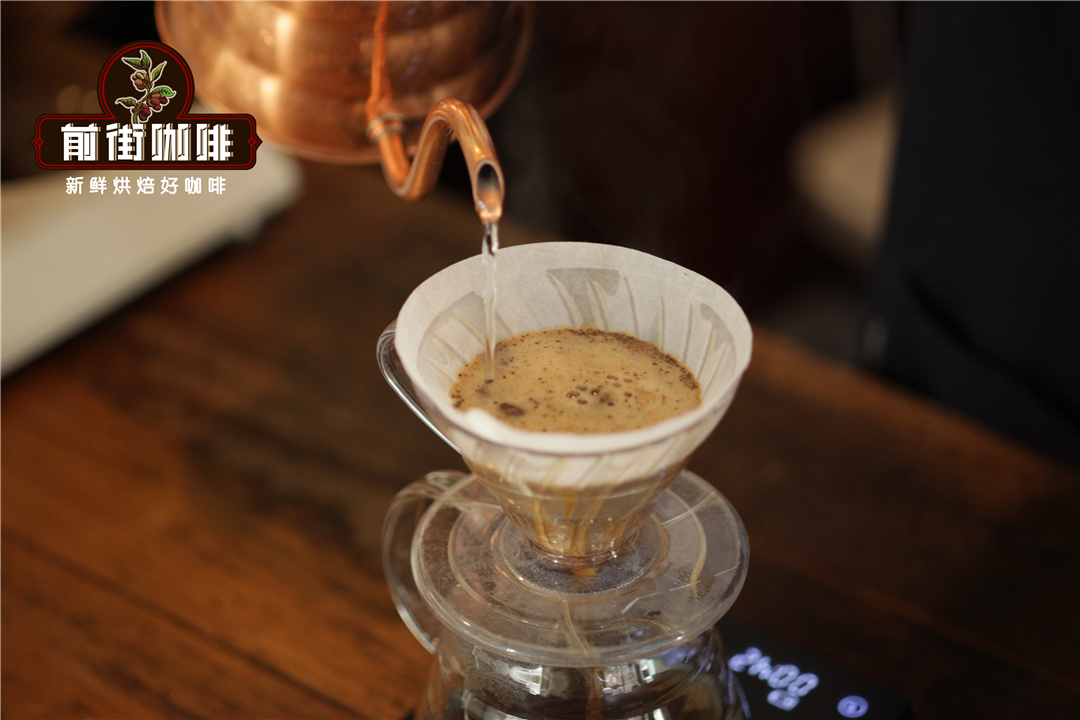
1. Blooming stage: pour 30 milliliters of hot water to cover all the grounds, and let it rest for 30 seconds so the coffee grounds can degas fully;
2. First pour: slowly pour in a spiral pattern up to 125 milliliters (taking about 45 seconds), keeping the stream as thin as the tip of a chopstick to avoid disturbing the coffee bed structure;
3. Second pour: when the water level drops to 2 centimeters above the surface of the coffee bed, continue pouring to a total of 225 milliliters, with the total extraction time controlled between 1 minute 45 seconds and 1 minute 50 seconds. When you observe that the drip rate has slowed noticeably (usually with about 30 milliliters remaining unfiltered), remove the dripper immediately to stop extraction.
The essence of this processing method lies in its special anaerobic fermentation stage—after the coffee cherries are pulped, they are fermented for 36-48 hours in a sealed, oxygen-free environment, allowing sugars to convert more fully and producing distinctive ester aromas. In the final flavor profile, bright strawberry jam notes interweave with delicate lavender florals, a mid-palate of dark-chocolate-like bittersweet balance emerges, and the finish carries a creamy, dense texture with a faint vinous fermentation note. Notably, if a pronounced citrus acidity appears during brewing, you can adjust by lowering the water temperature to 89°C or shortening the total time by 10 seconds.
For beginners, it is recommended to use a digital scale to measure the water precisely (within ±2 milliliters) and to judge whether the grind size is suitable by observing how much the coffee bed expands: the ideal state is that after pouring, the coffee bed rises evenly by about 1.5 centimeters with no obvious channels or clumps. Regularly cleaning the residual oils in the dripper (deep cleaning every 5-8 brews is recommended) also effectively maintains flavor purity.


