Colombia Finca El Paraiso Sakura Bean: Variety Traits, Pour-Over and Roasting Guide
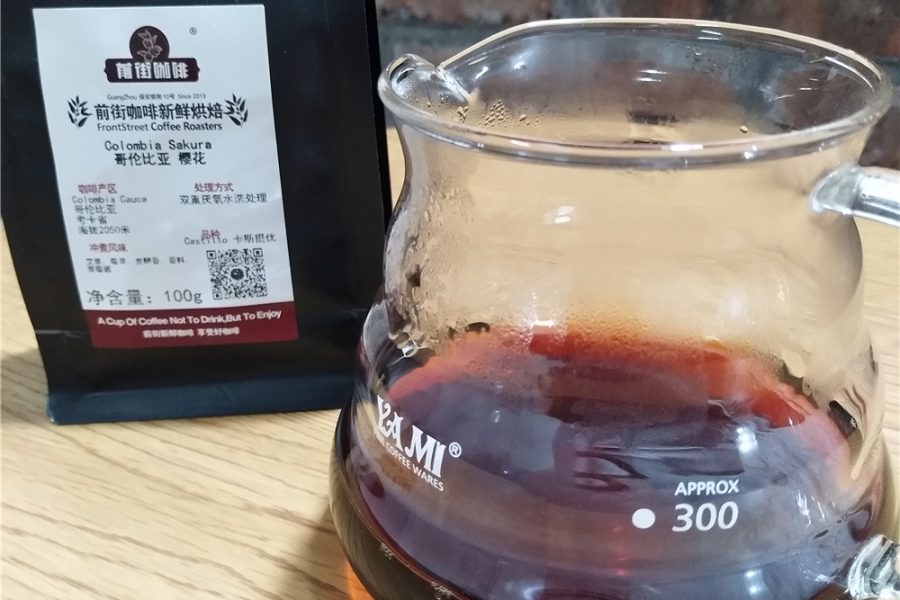
Introduction: This sakura-flavored coffee bean from Colombia's Cauca region, with its unique double anaerobic washed process and vivid berry notes, has become a new favorite among specialty coffee lovers. This article examines in depth its Castillo variety traits, high-altitude growing advantages, and a complete practical plan from roast curve to pour-over parameters, helping you master the essence of this popular bean.
Coffee flavor diversity is fascinating, and among these, floral notes are especially captivating. Colombia, the world's third-largest coffee producer (after Brazil), has a Cauca province whose volcanic soil and extreme altitude of 2,100 meters nurture specialty coffees with natural floral and fruity aromas. The protagonist of this article—Finca El Paraiso's "Sakura coffee bean"—is a typical example.
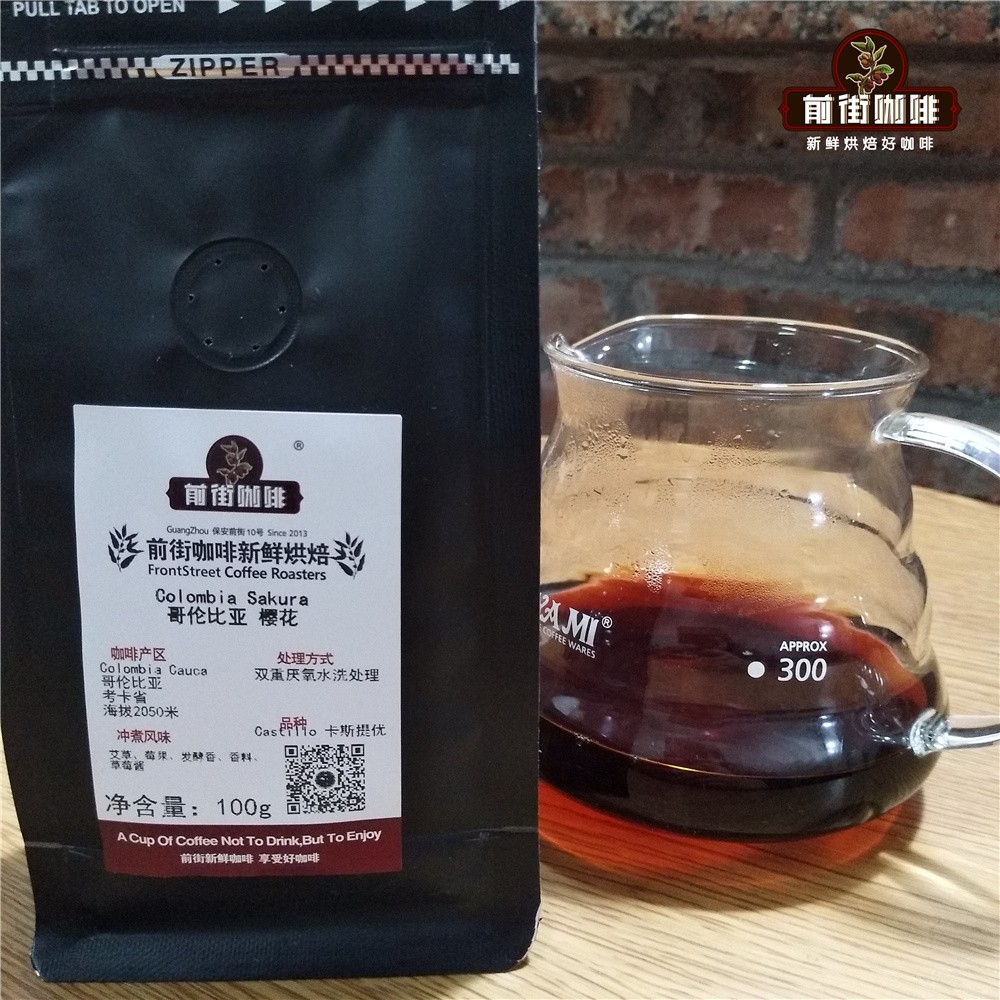 The Cauca region lies on the eastern slopes of the Andes, with 80% mountainous terrain; the central parallel mountain system includes the two active volcanoes Sotara and Petacas. The acidic red soil formed from volcanic ash is rich in potassium and phosphorus. Combined with average annual rainfall of 1,800 mm and a day-night temperature difference of 18-22°C, this creates coffee fruit that is plump with bright acidity. The region received origin certification in 2005; altitudes generally exceed 1,750 meters and reach up to 2,100 meters.
This coffee bean called "Sakura" is actually grown at Finca El Paraiso. The farm was founded by Mr. Diego Samuel in 2008, initially only 2.5 hectares in size. Through continuous investment in specialty coffee research, it has become a well-known micro-lot producer in Cauca province. The farm insists on shade growing, retaining 30% native tree species per hectare to ensure the coffee trees receive balanced light.
Core variety: Castillo is often mistaken for a Bourbon variant, but it is actually a leaf-rust-resistant variety bred by the Colombian Coffee Research Center. Its tree is shorter than traditional Typica (about 1.8 meters), but per-tree productivity is about 30% higher, and disease resistance is strong. Note: the original text's information about the Bourbon variety is incorrect; this Sakura bean actually uses Castillo, whose green fruit turns deep gemstone red when ripe, with bright acidity and prominent sweetness.
The double anaerobic washed process is the key to flavor: in the fermentation stage, a 24-hour aerobic pre-fermentation is first carried out in a sealed tank (temperature controlled at 22-24°C), then the beans are transferred to a low-pressure anaerobic environment for a further 72 hours of fermentation. This process strengthens the formation of berry-type aromatic compounds while retaining the clean mouthfeel of washed processing. The final flavor profile: sweet and moist on entry like fresh strawberry jam, a cooling mint-tea sensation in the middle, and a finish with the fresh fragrance of mugwort and herbal basil notes.
Practical roasting parameters (using 1,200 g green beans as an example):
• Charge temperature 165°C (bean load recommended at 35-40% of drum volume)
• At the turning point of 1'32", raise to 115°C, damper open 3
• 152.9°C yellowing point (about 6 minutes), bean surface turns yellow and grassy smell disappears
• At 8'27" when wrinkled dark spots appear (dehydration complete), toasted-bread smell turns to coffee aroma
• 10'10" first crack begins, immediately open the damper wide
• Maintain the first-crack development phase for 1'30", drop at 193°C
Special note: monitor boiler pressure changes; when first crack is dense (3-5 sounds per second), reduce heat to 50%.
Suggested pour-over plan:
• Coffee-to-water ratio 1:15, grind size equivalent to EK43s setting 8-9 (75% passing through China standard No. 20 sieve)
• Water temperature 92°C (can be lowered to 90°C for light-roast beans)
• Three-pour method: first pour 30 g in the center and bloom for 30 seconds, second pour in circles to 125 g, third pour to a total water amount of 225 g
• Total extraction time of 2 minutes 10 seconds is optimal; avoid over-extraction, which makes herbal notes prominent
When purchasing, note: a high-quality lot should show blue-green green-bean color with a defect rate below 3%. Best consumed within 3 days after roasting; for storage, use an aluminum foil bag with a one-way exhaust valve and keep in the dark at 18-22°C. If you seek the ultimate flavor, try pairing with citrus desserts, which better highlights its bright sweet-acid balance.


