Beginner's Guide to Choosing Coffee Beans and Identifying Flavors, with Starter Recommendations
Introduction: Choosing coffee beans is the key first step in starting your coffee journey. Starting from the basics of coffee beans, this article systematically explains how beginners can identify high-quality beans, distinguish blends from single-origin types, and details the flavor differences among the three major roast styles. Through practical parameters and brewing compatibility advice, it helps you avoid common purchasing pitfalls and find entry-level quality coffee beans that match your personal taste.
As the core raw material that influences the final flavor, the quality of coffee beans directly determines the layering and mouthfeel of the coffee. For newcomers just getting into coffee, mastering basic purchasing techniques and flavor identification methods is especially important.
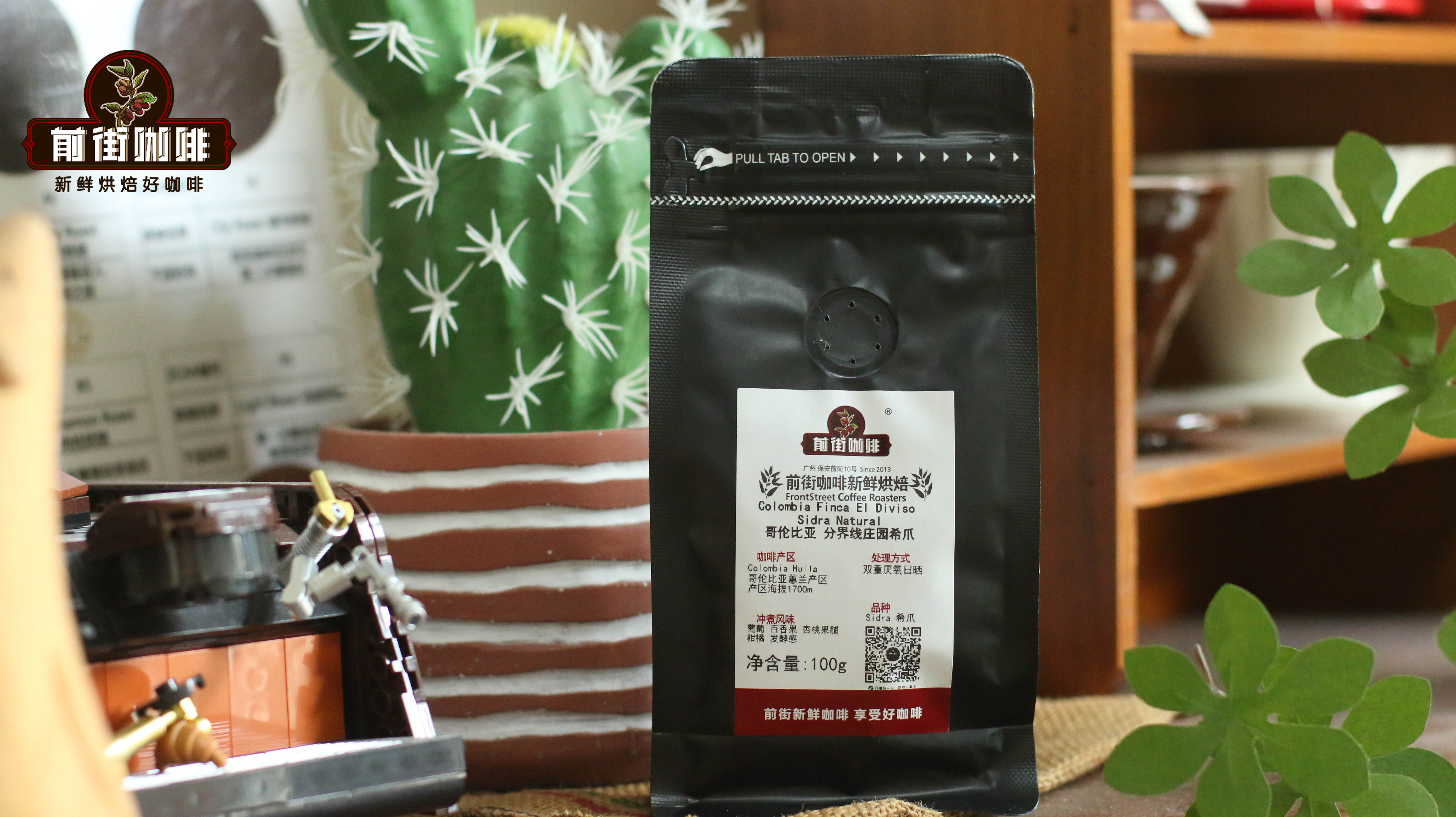
Faced with the wide variety of coffee bean products on the market, many beginners find it hard to choose due to a lack of experience. In fact, judging the quality of coffee beans requires focusing on freshness, origin information, and roast date—high-quality coffee beans are usually at their best within 5-14 days after roasting, and the packaging will clearly indicate the specific roasting time.

Regarding brand selection, it is advisable to prioritize suppliers with a stable supply chain and clear roasting standards. Such brands usually offer single-origin beans from multiple regions and basic blend combinations, which can both meet the need to explore different flavors and guarantee baseline quality. Some merchants also label detailed parameters such as growing region altitude and processing method; this information is a useful reference for judging the direction of flavor.
In choosing between blends and single-origin beans, the differences are significant. Blends achieve flavor balance by mixing coffee beans from different regions, making them especially suitable for making espresso—their dark-roast characteristics can deliver rich crema and a full-bodied mouthfeel, commonly found in daily instant-coffee substitutes and home-machine scenarios. If you seek the distinctive character of a single origin, such as the citrus notes of African beans or the nutty aroma of Central and South American beans, you should choose single-origin beans. Such coffees are better suited to slow extraction methods like pour-over and siphon, which can fully reveal the unique flavor layers of different processing methods.

The most effective way to determine personal preference is systematic tasting: start with basic single-origin offerings, for example trying the citrus and floral notes of Ethiopia or the nutty chocolate base of Colombia, then gradually expand to comparative experiences of different processing methods (washed/natural/honey). When buying, it is advisable to choose small packaged combination sets, which both control costs and make it easy to record the brewing parameters and flavor feedback of different beans.

Coffee bean roast style is another key factor affecting flavor, mainly divided into three categories: light, medium, and dark. Light roast retains more of the original flavor, with bright acidity (pH about 5.0-5.5), suitable for showcasing the jasmine aroma and citrus acidity of African beans; common brewing methods include pour-over (90-93°C water temperature) and V60 dripper (1:15 coffee-to-water ratio). Note: light-roast beans need a finer grind (medium-fine, similar to granulated sugar) to extend extraction time (2-3 minutes) and fully release flavor compounds.

Medium roast balances acidity, sweetness, and bitterness, with a lower bitterness threshold (about 15-20%) and moderate oil content (crema thickness 1-2mm), suitable for most home scenarios. Typical compatible equipment includes the French press (4-minute steep) and the moka pot (9bar pressure); common flavor descriptions are caramel sweetness and a toasted-bread base. A medium-coarse grind (similar to sea salt granules) is recommended, and for pour-over the water temperature can be slightly lowered to 88-90°C to avoid over-extraction.
Dark roast shows pronounced caramelization (oily surface, oil layer thickness >3mm), with acidity almost gone (pH below 4.5) and a prominent bitter-sweet balance (such as the layering of chocolate and dark chocolate). This type of bean is best suited for making traditional espresso (25-30 seconds of extraction), and the grind needs to be extremely fine (close to flour texture). Note: dark-roast beans should be stored sealed and away from light after opening; packaging with a one-way degassing valve is recommended to slow flavor loss.
Summary of purchasing points: for daily drinking, prioritize the balance of medium roast; to explore flavors, choose light-roast single-origin beans; for milk coffee or instant-coffee substitutes, choose dark-roast blends. Whichever type, freshness is always the first priority—it is advisable to judge quality by checking the packaging date (within 30 days after roasting is best) and smelling the aroma (fresh beans should have obvious fruity/nutty aromas).