Blue Mountain No. 1 Coffee Beans: Origin, Flavor and Pour-Over Tips
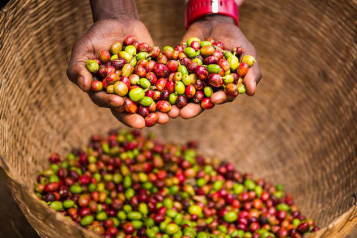
Introduction: Explore in depth Blue Mountain No. 1, known as the 'king of coffee', from its origin in Jamaica's Blue Mountains to its distinctive flavor characteristics and suitable brewing methods. This article not only introduces you to the growing environment of the world's top Arabica coffee beans, but also provides a practical flavor tasting guide and brewing parameter references to help coffee lovers better understand and appreciate this rare coffee.
For coffee enthusiasts, understanding coffee's origin, variety and flavor characteristics is an important step in improving tasting skills. Among the many coffee varieties, Arabica coffee is highly regarded for its elegant acidity and complex flavor layers, and the most renowned of all is Jamaican Blue Mountain No. 1 coffee beans.
Jamaican Blue Mountain coffee, especially Blue Mountain No. 1, is recognized as one of the world's finest coffees. It is produced in the high mountain region of Jamaica's Blue Mountain range at an altitude of 1,200 to 1,700 meters, where the cool climate, abundant rainfall, frequent mist and volcanic soil create a unique growing environment for Blue Mountain coffee. It is worth noting that genuine Blue Mountain coffee is produced only in this specific region, and its annual output is extremely limited, making it all the more precious.
Blue Mountain No. 1 refers to the largest and highest-quality beans selected from Blue Mountain coffee, usually at a first-grade roast level, suitable for showcasing its delicate and balanced flavor. Compared with ordinary coffee, Blue Mountain No. 1 has an extremely harmonious flavor, neither too sour nor too bitter, with an overall mild and rounded profile, marked by obvious nuttiness, gentle citrus acidity and a soft chocolate finish, with a clean taste and distinct layers.
In addition to Blue Mountain No. 1, Ethiopia is also one of the world's important origins of Arabica coffee. Local coffee cultivation has a long history, and many regions still maintain the tradition of picking wild coffee beans. Ethiopian coffee is known for its distinct floral aroma and smooth, black-tea-like mouthfeel, often accompanied by rich fruity notes and chocolate sweetness, making it very suitable for drinkers who enjoy fresh fruity notes and multi-layered flavors.
Kenyan coffee is likewise one of the representatives of specialty coffee, famous for its bright acidity and complex fruity aroma. Typical flavors include lemon-like bright acidity, the sweet aroma of ripe berries, and a long chocolate note in the finish; the overall profile is lively and full of energy, much loved by pour-over enthusiasts.
In South America, Colombian coffee occupies an important position thanks to its consistent quality and balanced fruity flavor. Coffee here is usually dominated by the Arabica variety and grown at higher altitudes; its flavor emphasizes the integration of nuts, caramel and mild fruit acidity, with a long finish after sipping, making it a high-value choice suitable for everyday drinking.
Brazil is the world's largest coffee-producing country, known for its large output and consistent flavor. Brazilian coffee usually has a mild mouthfeel and lower acidity, with deep nutty, chocolate and caramel aromas; it is suitable for use in blends or as an espresso base, and its gentle taste is easily accepted by the general public.
For enthusiasts who want to try Blue Mountain No. 1 coffee, it is recommended to use a medium-fine grind with the pour-over method, keeping the water temperature between 90-93°C and a water-to-coffee ratio of 1:15 to 1:16. When brewing, pay attention to a steady pouring speed, using a center pour or spiral pour to fully extract its gentle acidity and delicate sweetness. In addition, because Blue Mountain No. 1 has a refined flavor, it is recommended to use freshly roasted coffee beans and to drink them within 1-2 weeks after roasting to obtain the best flavor performance.
Overall, whether you are a seasoned coffee connoisseur pursuing the ultimate flavor or a beginner, understanding the characteristics and representative varieties of these classic coffee regions can help you find coffee that suits your personal taste more precisely and improve your overall drinking experience.


