Home Coffee for Beginners: Pour-Over and Espresso Guide with Flavor Comparison
Introduction: Want to enjoy a professional-level coffee experience at home? This article explains two mainstream home coffee brewing methods in detail—the practical steps, key parameters, and flavor differences of espresso and Americano. From grind size selection to extraction time control, it offers quantifiable operational suggestions, along with reminders of common mistakes, to help you quickly master basic coffee-making skills.
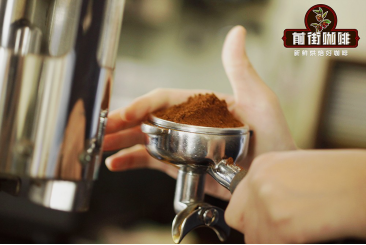
Espresso uses very finely ground coffee powder and, through the combined action of high temperature (90-96°C) and 9-10 atmospheres of pressure, extracts about 30ml of thick coffee liquid within 20-30 seconds. This high-pressure extraction method causes the coffee oils (Crema) to form a golden-brown foam layer, bringing a rich mouthfeel and a distinct balance of acidity and bitterness. During operation, note: after filling 20g of very finely ground coffee powder into the filter basket, it is recommended to tap the portafilter lightly to eliminate clumps, then use a distribution tool in a circular motion to spread it evenly, and finally press vertically with 30-40 pounds of force to form a flat puck.
The standard espresso extraction parameters are: coffee-to-water ratio 1:2 (20g powder yields 40ml coffee), with time strictly controlled at 25±5 seconds. If the flow rate is too fast (<20 seconds), it may be due to overly coarse grinding or insufficient tamping causing under-extraction; if the flow rate is too slow (>35 seconds), it may cause over-extraction and produce a burnt, bitter taste. Beginners are advised to use a manual pressure pump coffee machine to practice pressure control, or to monitor real-time flow rate with an electronic scale.
Americano is essentially diluted espresso, but its preparation method is more flexible. The traditional method is to mix a double shot of espresso (about 40ml) with 150-200ml of 90-93°C hot water, with the final volume controlled at 300-450ml; the total caffeine content is equivalent to the same amount of espresso. Besides direct dilution, you can also use a drip coffee machine (medium-fine grind recommended, similar to granulated sugar particles), a French press (coarse grind, 4-minute extraction time), or other equipment to make basic black coffee.
The flavor characteristics of the two coffees differ significantly: espresso, due to high-pressure extraction, highlights the bright acidity and floral-fruity notes of the coffee beans, while carrying a nutty finish produced by caramelization reactions; Americano, due to the increased water volume, has a relatively softer acidity and bitterness, but aromatic substances will partially be lost with water evaporation. If convenience is desired, you can choose a capsule coffee machine to make espresso, or use a smart drip pot with preset programs to make standardized Americano.
Key details to note in home preparation: ① Coffee bean freshness directly affects flavor; it is recommended to choose coffee beans 7-21 days after roasting, and use them within 15 minutes after grinding; ② Water hardness should be below 150mg/L; avoid using chlorinated tap water; ③ The crema layer of espresso is a quality indicator; if it is missing, it may be because the grind is too fine and clogs the filter screen or the machine pressure is insufficient; ④ The dilution ratio of Americano can be adjusted according to taste; if you prefer a richer mouthfeel, you can change the coffee-to-water ratio to 1:3.
Common misconceptions: excessively pursuing high concentration may lead to excessive caffeine intake (a single cup of espresso contains about 63mg of caffeine), while Americano, although diluted and milder in taste, still contains 8-15mg of caffeine per 100ml. It is recommended to control daily intake to no more than 400mg of caffeine according to your own tolerance.


