Ethiopia Hualv Coffee: Flavor, Variety Differences and Brewing Guide
Introduction: Hualv coffee has repeatedly stood out in competitions with its distinctive floral and fruity aroma, yet it is often mistaken for Geisha. This article takes an in-depth look at Hualv's true identity—a natural heirloom from Ethiopia's Hambella region—compares its origins with the Geisha variety, explains the origin of the name Hualv, the X.0 numbering system and the small-bean characteristics, and offers professional roasting advice and pour-over parameters to help you precisely capture its berry notes and tea-like finish.
In Chinese coffee circles, the confusion between Hualv and Geisha has a long history. The reason lies in a tangle of translation differences and naming stories. "Hualv" refers specifically to the Chinese market's name for the natural heirloom from the Buku Abel processing station in the Hambella area of Sidama, Ethiopia; its export jute bags are marked only with the Hambella region, so the name does not exist on the international market. Geisha's Chinese alias "Yiji" comes from the coincidence between its English name Geisha and Japanese pronunciation, and was given by early industry practitioners.
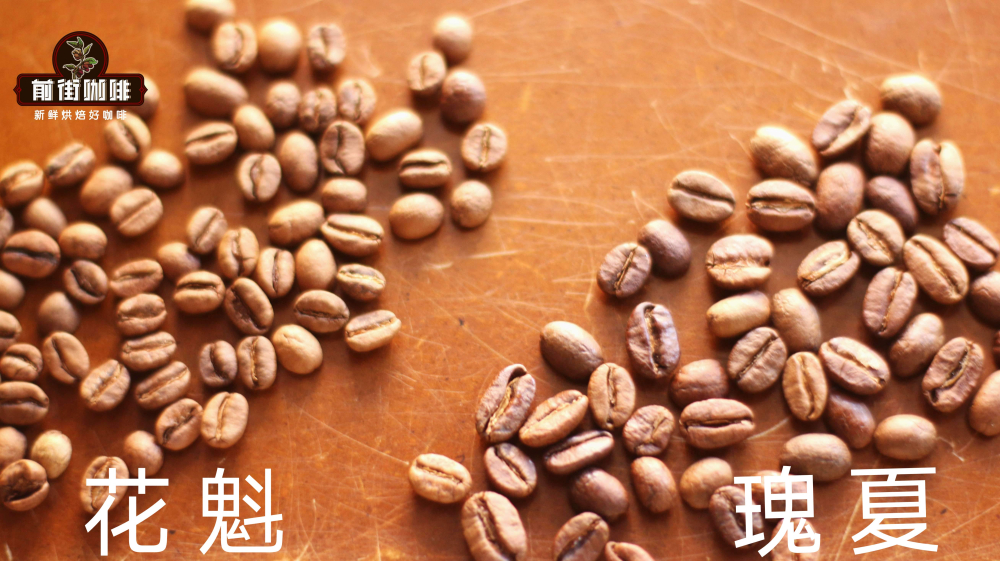
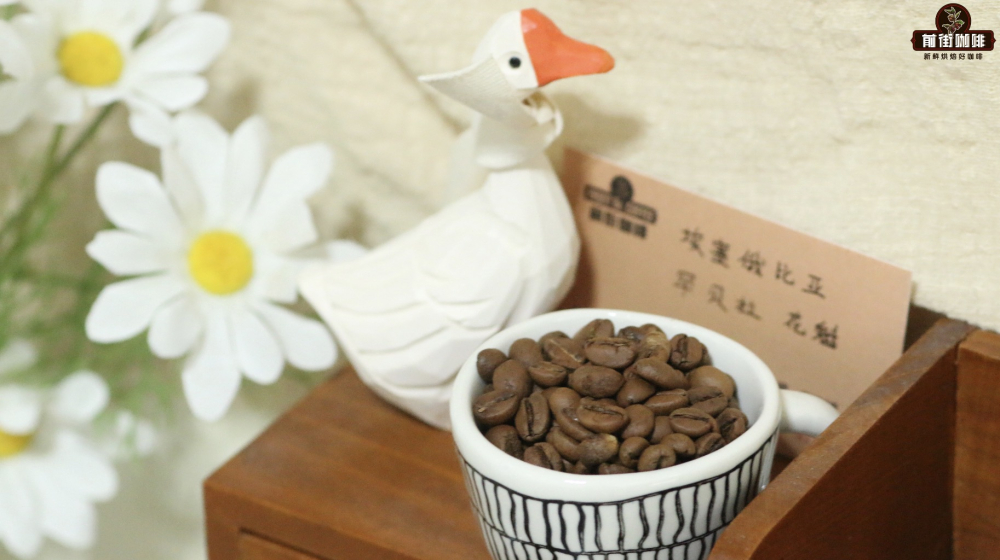
To clarify the essence of the two, one must return to the definition of variety. Geisha is an independently domesticated variety within Arabica. In 1929, a British colonel collected mixed samples (including wild Geisha relatives) from the Gesha region of Ethiopia and mistakenly labeled them Geisha, and the name has persisted ever since. The Geisha T2722 now widely planted in Latin America has, through generations of selection, developed its signature floral and fruity aroma. By contrast, Ethiopian heirloom is a natural mixed population that has not been subdivided—like the country's coffee gene bank. Because the varieties are numerous and the government protects the information, they are collectively called Heirloom, with flavors dominated by floral and fruity notes and citrus acidity.
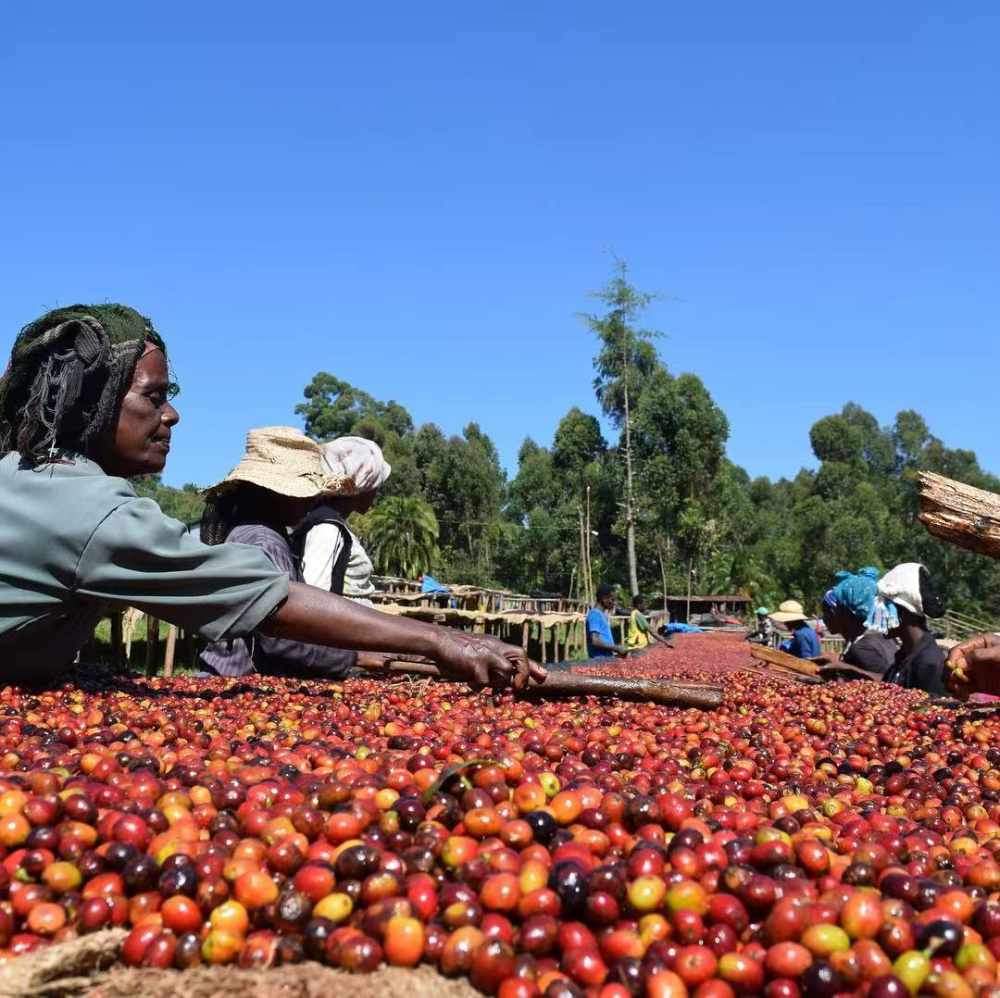
Hualv's "champion genes" began with the 2017 TOH natural category. This batch of beans, originally named "Hambella Natural," was given the name "Hualv" (meaning "chief of all flowers") after being introduced by a Beijing trader. Its real rise to fame came at the hands of Li Jianfei, runner-up in China's brewing competition—at a time when Geisha dominated the competition scene, this natural bean defeated many Geisha rivals and drew industry attention. Note that only the Buku Abel processing station in Dimtu, within the core Hambella region, covers the original champion plot; strictly speaking, only that station's natural heirloom qualifies as authentic Hualv.
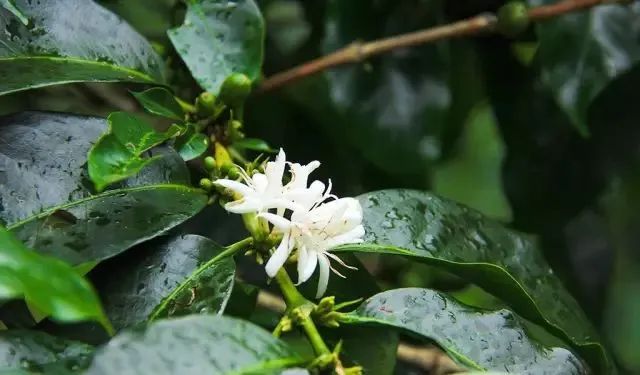
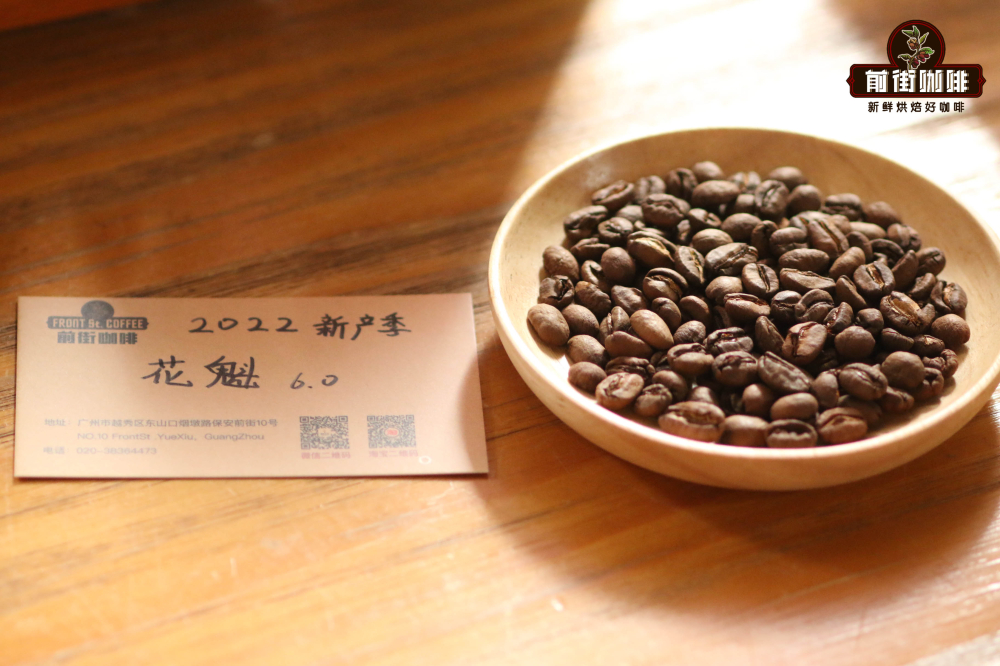
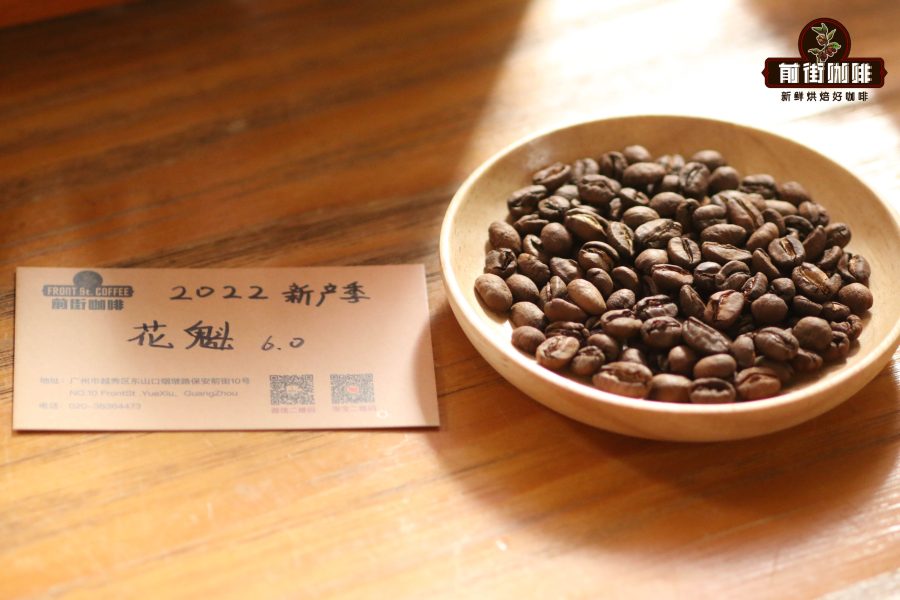
To distinguish year-to-year differences, subsequent batches are identified with X.0 numbers: 2018 was 2.0, and 2022 was 6.0. There is also small-bean Hualv, whose flavor is close to the 2017 champion bean, but because it contains a special small-particle variety and is not included in the X series, it forms a separate branch. When buying, you can use bean shape as an aid—small-bean Hualv is often mixed into regular batches, with roughly a few bags in every ten.

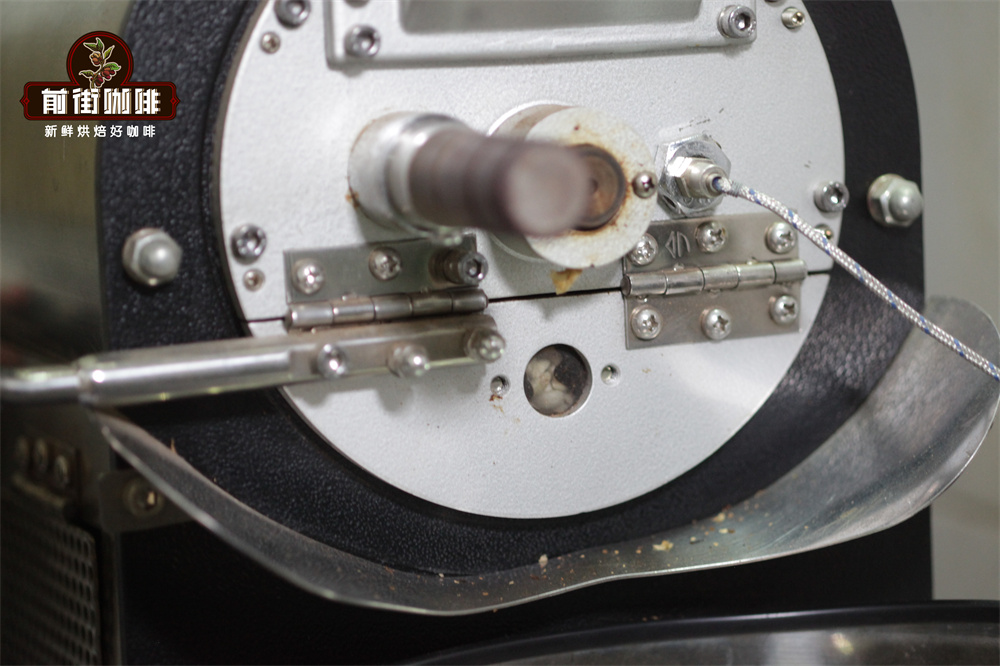
Roasting Hualv requires adjusting strategy to its heirloom characteristics. These beans are high in density, medium in hardness (not extremely hard SHB), and about 11% in moisture; the green beans have a fermented, winey aroma rather than a grassy smell. It is recommended to extend the drying phase and raise temperature steadily before first crack, keeping first-crack development to no more than 1 minute 30 seconds to avoid loss of floral aroma from excessive heat. Typical parameters: charge temperature 190°C, turning point 151°C (about 5:51), first crack at 9:50, development time 1–1:30, completed within 11 minutes total.
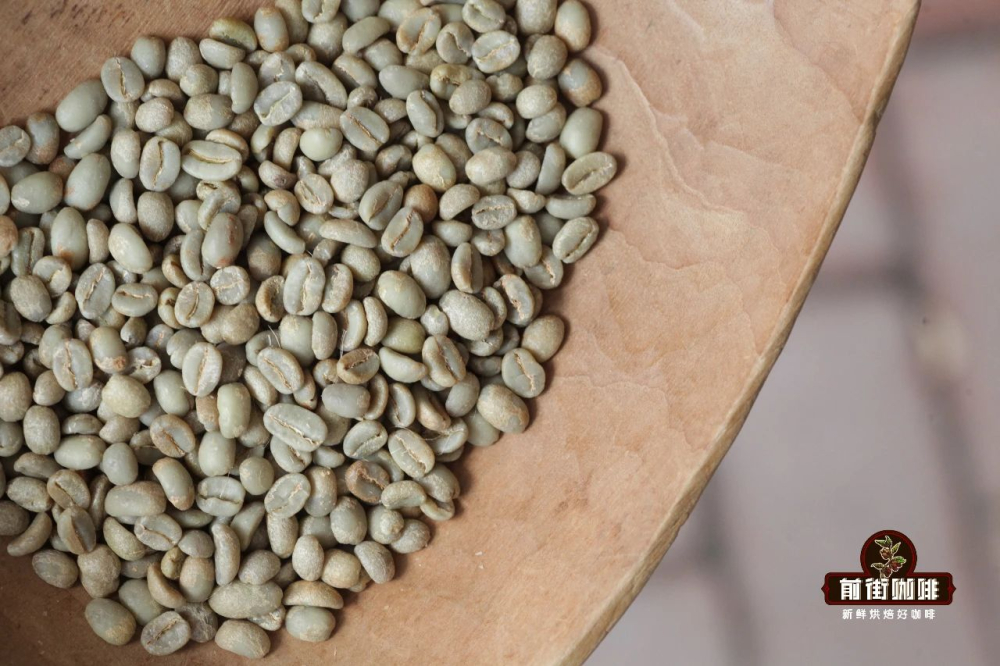
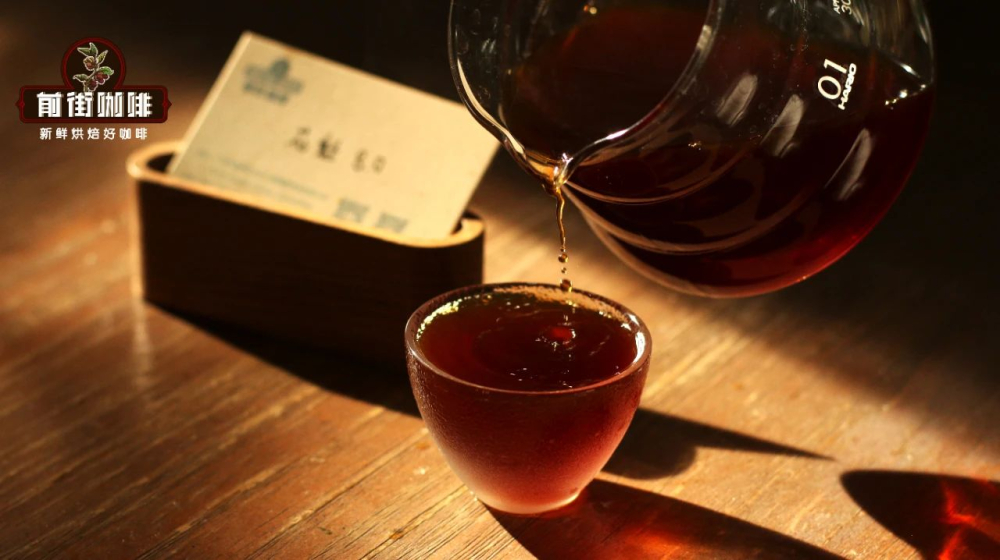
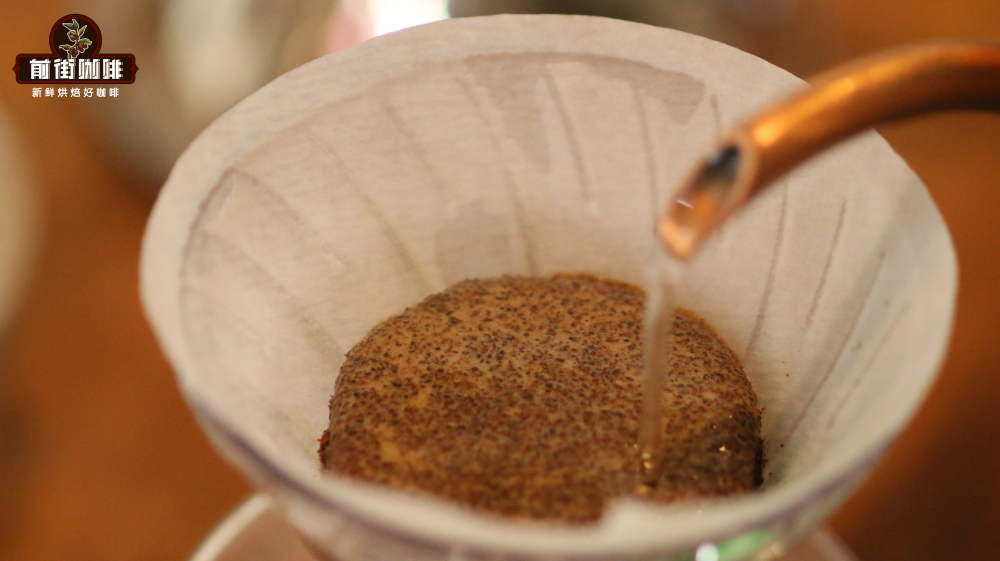
The key to pour-over extraction is balancing the floral and fruity character with the tea-like finish. A V60 dripper is recommended, with medium-fine grind (caster sugar size, 80% passing a No. 20 sieve), water at 90°C, and a 1:15 coffee-to-water ratio. Pour in three stages: first 30 g for a 30-second bloom, second stage to 125 g (10-second interval), then fill to 225 g, for a total time of about 2 minutes. After finishing, swirl the coffee in the cup, and you can clearly perceive the fresh aroma of berries and tropical fruit; the entry is sweet and sour like juice, and the finish has the sweet smoothness of oolong tea.

Appendix: answers to common questions. Although small-bean Hualv is a branch outside the X.0 series, its flavor is highly related; not all beans from the Hambella region are Hualv—only the natural heirloom from the Buku Abel processing station meets the standard; annual flavor fluctuations prompted the creation of the numbering system to ensure consumers can identify vintage characteristics.