Indonesian Mandheling Coffee: Regions, Flavor, Espresso Blends and Pour-Over Guide
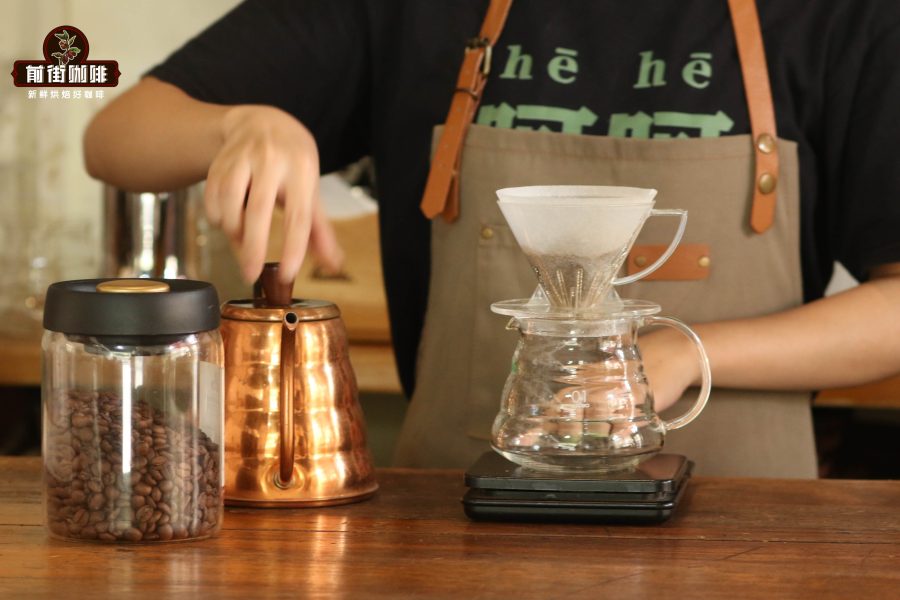
Introduction: Indonesian Mandheling coffee is often considered "too bitter," but in fact it has rich layers of dark chocolate, herbal notes and mild acidity, with a unique flavor that is easy to drink. This article explains in detail the characteristics of Mandheling's core producing regions, its common flavor profile, suitable roasting methods, and how to bring out its best flavor through proper brewing. It also includes practical parameter suggestions for pour-over and espresso extraction, helping you gain a comprehensive understanding of this classic Southeast Asian coffee.
In the specialty coffee market, Indonesian Mandheling is a highly representative single-origin coffee bean. Many people's impression of it stops at "bitter," but in reality, high-quality Mandheling not only has moderate bitterness but also displays intense dark chocolate notes, herbal plant aromas and soft mild acidity. The overall mouthfeel is full-bodied and smooth, with a sweet, lingering finish, making it an introductory choice for many coffee lovers.
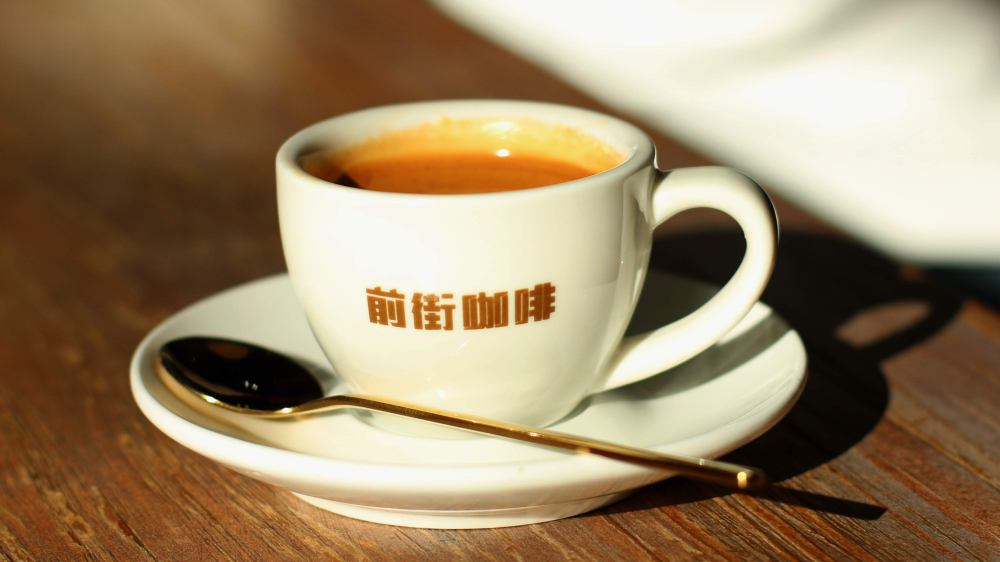
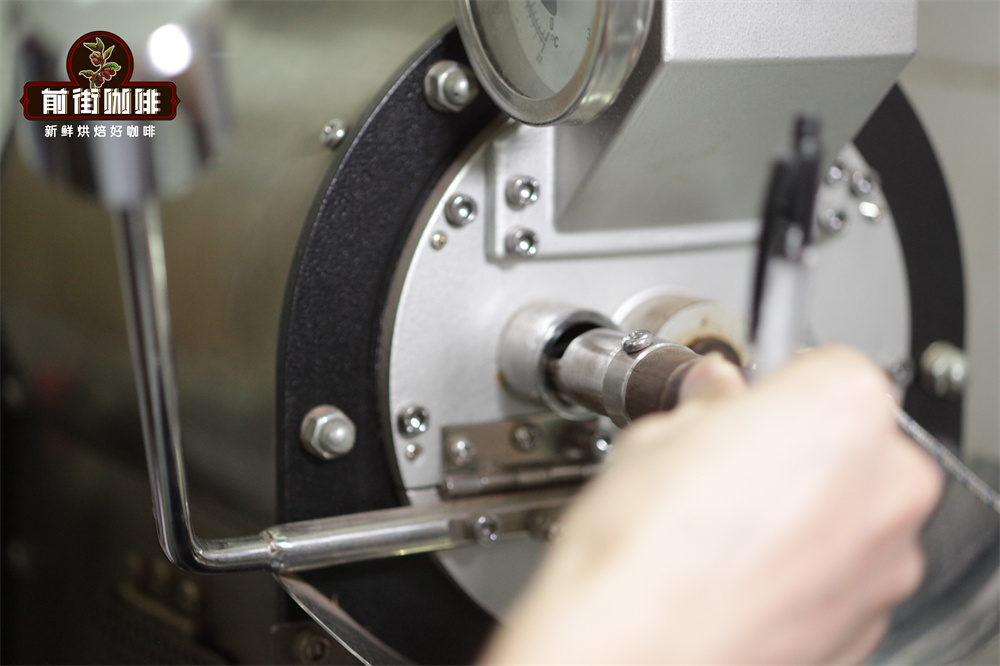
Whether high-quality Mandheling can express its proper flavor depends not only on the quality assurance of the green beans themselves, but even more on the roaster's in-depth understanding of the bean's characteristics. Through appropriate medium-dark roasting, the rough bitterness that might otherwise stand out is transformed into a rounded, full-bodied dark chocolate quality. This roasting approach also helps highlight Mandheling's distinctive herbal and woody aromas, making the overall layers richer.
Regarding the storage of Mandheling coffee, it is generally recommended to drink it as soon as possible after roasting to experience the best flavor period. Typically, the golden period for flavor is within 30 to 45 days after roasting. Freshly roasted coffee beans continue to release carbon dioxide in the first few days; especially for dark-roasted beans, a slight oiliness may appear on the surface after 3 to 4 days. This is normal and does not affect drinking.
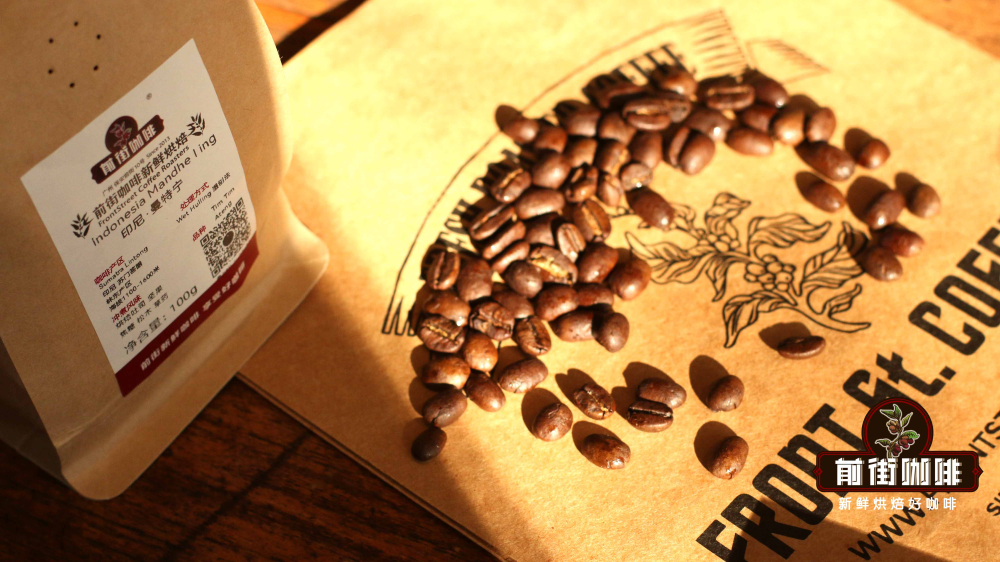
Among the many Mandheling producing regions, Lintong and Aceh are the two most representative. Mandheling from the Lintong region is known for its low defect rate; typically, in every 300-gram green bean sample there are no more than 3 defective beans, belonging to Indonesia's highest grade G1. Coffee from this area has a distinct regional character and a rich mouthfeel, making it an ideal choice for many coffee beginners encountering Mandheling, and it also suits a variety of brewing methods.
By contrast, certain high-end Mandheling from Aceh, such as top batches that undergo multiple rounds of hand sorting and machine screening, are further selected on the basis of the G1 grade to ensure each bean is uniform in size and consistent in color. The bean shape is regular, mostly flat beans, usually with a screen size of 18 or above; the appearance is dark green and plump. This is an extremely high-quality Mandheling, suitable not only for everyday home use but also an excellent choice as a gift for coffee lovers.
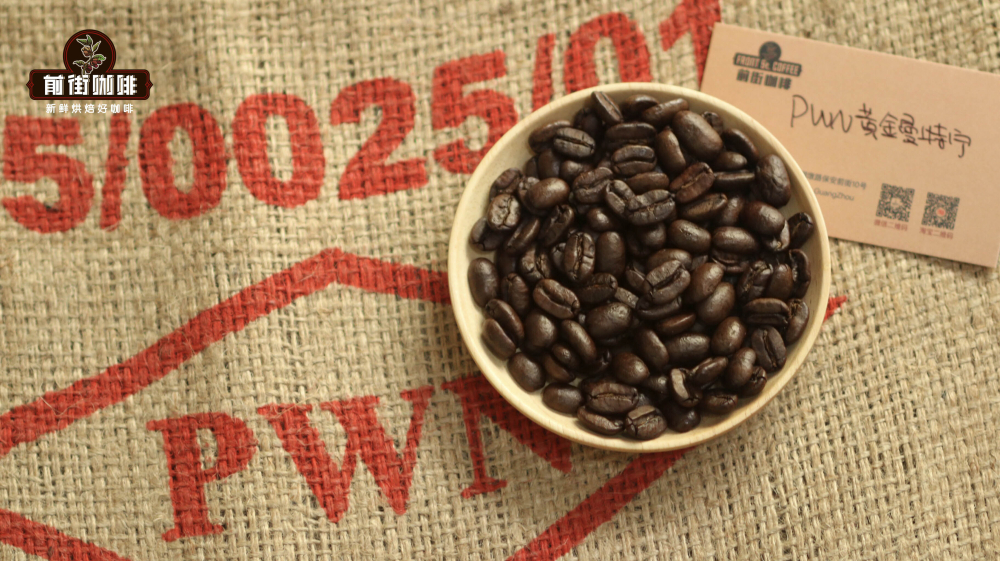
Many people wonder why most Mandheling is dark-roasted. In fact, this is not simply to pursue "intensity." Medium-dark roasting can highlight its full-bodied base while better bringing out Mandheling's distinctive herbal and spice notes. This roasting range is close to the early stage of second crack, helping to balance sweetness, bitterness and aroma, making the overall flavor more cohesive and layered.
It is worth noting that the darker the roast, the more carbon dioxide is produced inside the coffee beans. These gases are gradually released after roasting, accompanied by oils seeping to the surface. Therefore, freshly roasted dark-roast Mandheling beans, especially after 3 to 4 days, may show an oily sheen on the surface; this is normal and no cause for concern.
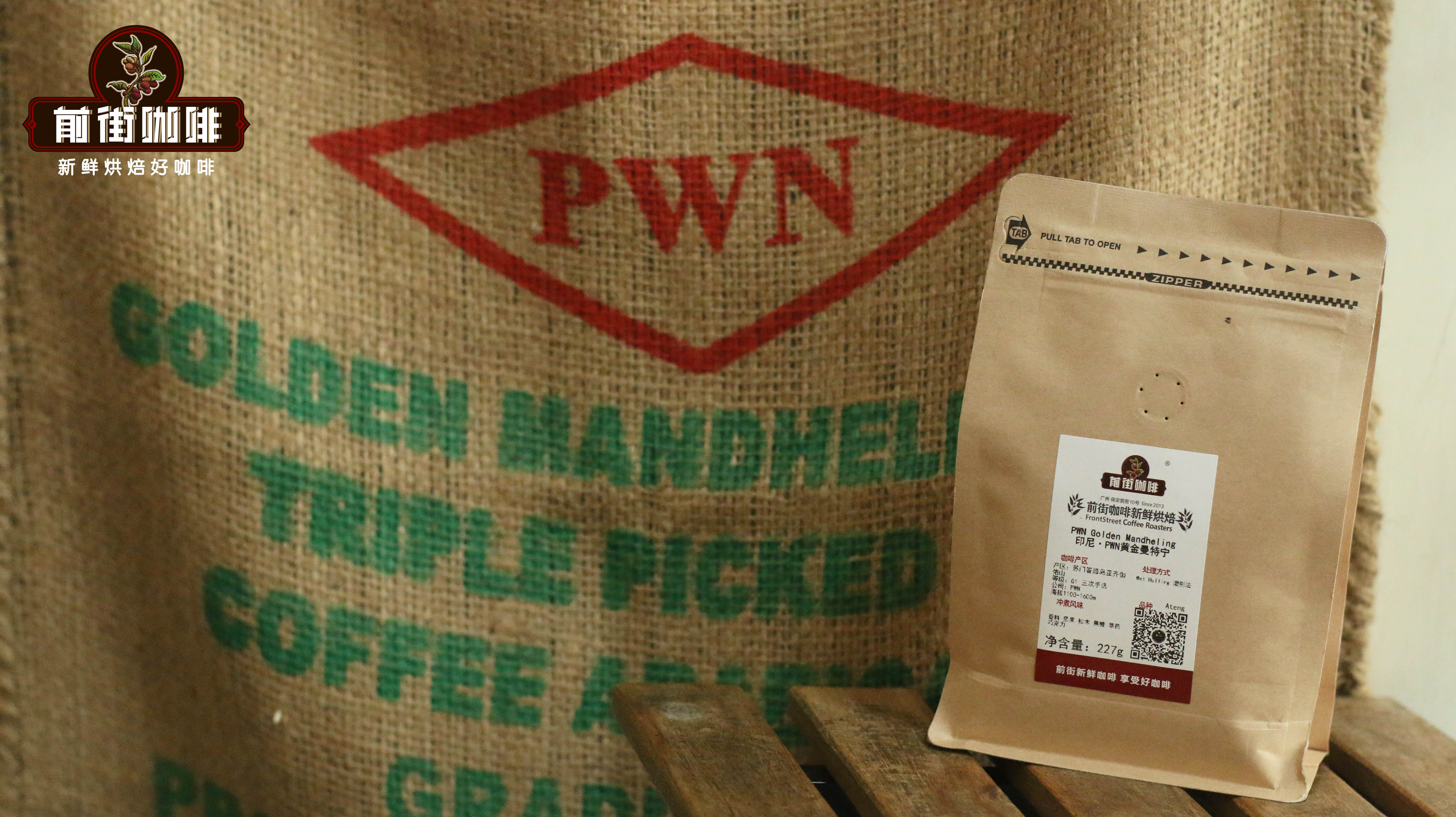
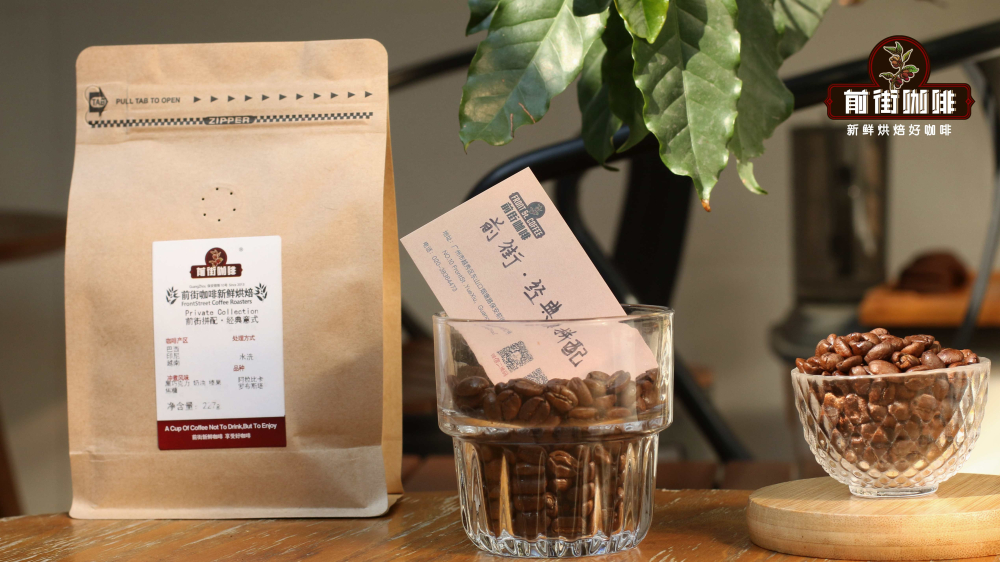
In addition, Mandheling is not only suitable as a pour-over single origin but also frequently appears in espresso blends. For example, some classic blend recipes combine the nutty, creamy aroma of Brazilian beans with the herbal and sandalwood notes of Mandheling, and then use the high oil content of robusta to create a comprehensive flavor that is both full-bodied and complex—an espresso choice suitable for both coffee beginners and seasoned enthusiasts.
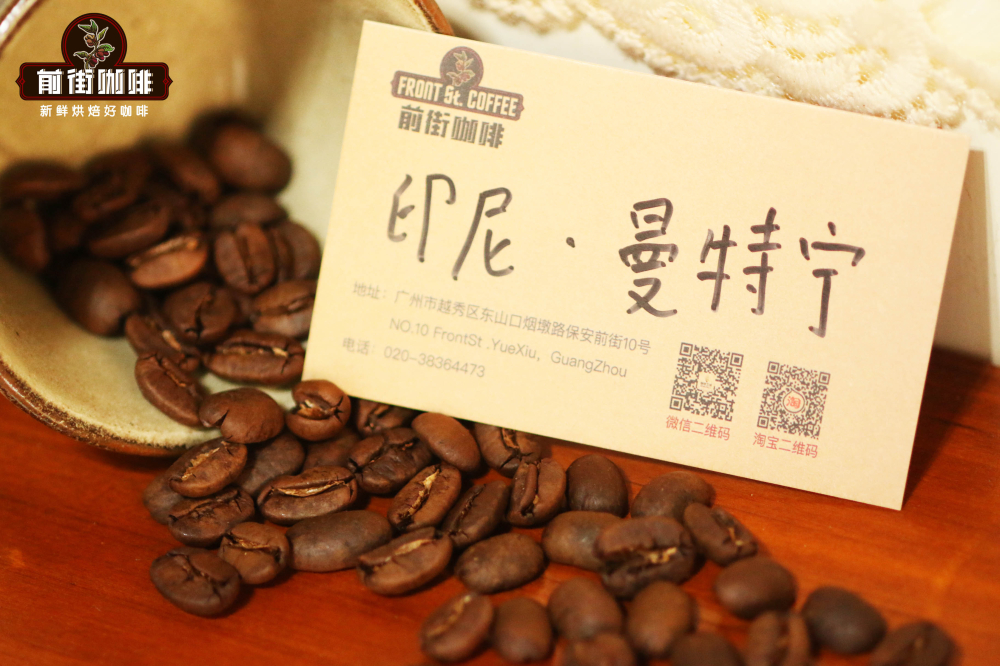
So, can Mandheling be used for SOE (single origin espresso)? The answer is yes. Medium-dark roasted Mandheling is rich in layers, high in cleanliness, and has a complex aroma of nuts, caramel and dark chocolate with a long finish, making it very suitable for SOE extraction on an espresso machine or moka pot. Whether made as espresso or combined with milk as a latte, it delivers good body and aroma performance.
Taking a common double basket as an example, it is recommended to use about 20 grams of coffee grounds and extract 40 grams of coffee liquid, with a coffee-to-liquid ratio of 1:2 and an extraction time controlled between 26 and 33 seconds. The grind size is recommended to be adjusted to a medium-fine setting similar to Galileo 2.0. During operation, ensure the puck is even and firm, and perform pre-infusion before pouring to remove residual coffee grounds, which helps stabilize extraction. The whole process requires fine-tuning according to the actual flow rate to ensure balanced flavor.
If you want to try a Mandheling SOE hot latte, you can follow a 1:6 coffee-to-liquid ratio: extract 40 grams of espresso from 20 grams of coffee grounds, then combine with about 240 grams of steamed milk at a temperature controlled between 50 and 65°C. Moderately textured milk foam makes the coffee mouthfeel denser; the combined drink often carries a sweet aroma reminiscent of clove-flavored cocoa cookies, making it a warm treat for cold seasons.
Overall, with its distinctive regional flavor, full-bodied mouthfeel and versatile brewing adaptability, Mandheling coffee has become a classic choice that coffee lovers worldwide cannot ignore. From pour-over to pour-over SOE and espresso blends, mastering the correct roasting, grinding and extraction parameters will allow you to fully experience the rich layers and flavor charm contained in this specialty coffee from Indonesia.