Yunnan Small-Bean Coffee: Growing Conditions, Flavor and a Pour-Over Guide
Introduction: Yunnan small-bean coffee, a representative of China's domestic specialty coffee, develops a balanced, mellow flavor through its unique terroir. This article explores its century-long growing history, altitude adaptability, and core production regions, explains why Baoshan's Lujiangba produces high-quality beans with prominent fruit notes, and offers buying and brewing suggestions to help you find the Yunnan flavor that suits you.
When people mention Yunnan's specialty products, they often think of Pu'er tea and flower cakes, yet few know that this red-soil plateau is also an important origin of specialty coffee. Among these, Yunnan small-bean coffee holds an irreplaceable position in the domestic coffee market thanks to its consistent quality and distinctive flavor.
As a natural variety of Arabica, Yunnan small-bean coffee has undergone more than a century of localized cultivation and now forms the core pillar of the country's total coffee output—over 95% of domestically grown coffee beans come from Yunnan. This coffee tree has strict altitude requirements, and the medium-high altitude range of around 1,100 meters is its ideal growing belt, where the temperature difference between day and night and ample sunshine together create a bright acidity and a mellow aromatic base.
Lujiangba in Baoshan City is regarded as the golden production area for Yunnan small-bean coffee, and the beans produced here are especially outstanding: the first sip brings full nutty and caramel sweetness, the middle reveals clear berry notes, and the finish carries a subtle citrus acidity. Overall it is rich without bitterness, mellow without astringency, with a layering far beyond ordinary commercial beans. Beyond Lujiangba, growing areas in Pu'er, Lincang and elsewhere also continue to produce high-quality coffee with regional character thanks to similar microclimatic conditions.
In terms of sensory characteristics, the flavor profile of Yunnan small-bean coffee is highly recognizable: gentle floral notes of jasmine and osmanthus form the first impression, accompanied by moderate citrus or berry fruit acidity. This acidity is soft and not aggressive, forming a clever balance with the dark chocolate finish developed during roasting. Its mouthfeel tends toward neutral harmony—neither too sharp and stimulating nor monotonous and flat—making it the first choice for many coffee beginners encountering specialty coffee.
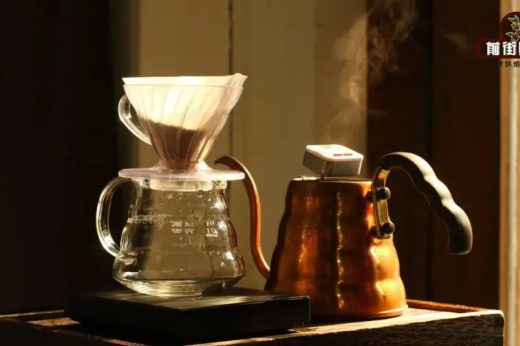
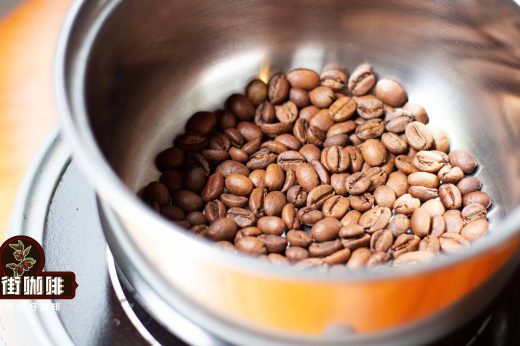
For consumers who want to try Yunnan small-bean coffee, we recommend choosing medium-roasted beans first—this stage preserves the floral and fruit aromas while developing moderate sweetness and body. For pour-over, use a water temperature of 90-93°C with a coffee-to-water ratio of 1:15 to 1:16; staged extraction effectively highlights its cleanliness and layering. Note that beans from different regions may show distinct characteristics—for example, Lujiangba beans lean more toward fruit notes, while some areas of Pu'er strengthen caramel and nutty expressions.
After decades of development, Yunnan small-bean coffee has gradually transformed from a single bulk commodity into a specialty agricultural product combining quality and cultural substance. Whether for everyday drinking with good value or for specialty coffee lovers exploring Chinese domestic flavors, there are surprises to be found in the beans nurtured by this red-soil plateau.