Guatemala Antigua Coffee Beans: Flavor Profile and Brewing Guide
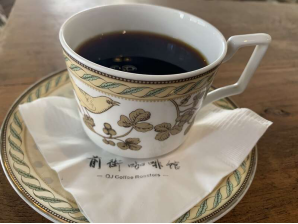
Introduction: Guatemala Antigua coffee is famous worldwide for its distinctive smoky chocolate flavor and is a classic origin that specialty coffee lovers should not miss. This article provides an in-depth analysis of these coffee beans nurtured by volcanic soil, from the growing environment to flavor characteristics and the best brewing methods, offering a comprehensive understanding of Antigua coffee's appeal along with professional-level tasting and brewing parameter recommendations.
Among Guatemala's many coffee-producing regions, Antigua stands out for its exceptional geographical environment and outstanding coffee quality. Located in southwestern Guatemala, the ancient city of Antigua is surrounded by three active volcanoes—Agua, Fuego, and Acatenango. These volcanoes not only shape a magnificent landscape but also provide ideal natural conditions for coffee cultivation.
Antigua coffee is typically grown at elevations between 1,500 and 1,700 meters. The high-altitude environment causes the coffee beans to mature slowly, accumulating richer sugars and flavor compounds. Volcanic ash soil is rich in minerals such as potassium, phosphorus, and calcium and has excellent drainage, providing a superior environment for the coffee trees' root growth. The region receives approximately 1,500 mm of annual precipitation, and combined with ample sunlight, it forms a coffee-growing paradise with a stable microclimate.
Visually, Antigua coffee beans are plump and uniform, with high bean density and hardness, typical characteristics of high-quality Arabica beans. Professional cupping reveals a distinct flavor profile: a soft, creamy texture on entry, followed by interwoven dark chocolate and smoky aromas, with a finish carrying a faint cigar tobacco note. The acidity is bright but not sharp, and the overall balance is excellent.
This distinctive "smoky chocolate" flavor combination has earned Antigua coffee the elegant nickname "cigarette coffee." It should be noted that this "smokiness" is not a roasting defect but rather a natural result of the combined effects of volcanic soil minerals and a specific microclimate. A medium to dark roast (Agtron value around 45–55) is recommended, as it highlights the coffee's full-bodied character without masking the delicate fruity acidity.
For coffee enthusiasts, Antigua coffee is highly versatile. For pour-over, a water temperature of 90–93°C and a coffee-to-water ratio of 1:15–1:16 are recommended, using a center-pour method for slow extraction; for espresso, it is suitable for blending with Brazilian or Ethiopian beans, significantly enhancing overall body. When storing, keep away from light and moisture; the optimal flavor period is 2–4 weeks after roasting.
The key reason Antigua coffee is so highly regarded lies in its flavor complexity and consistency. Compared with other Central American coffees, it maintains bright acidity while developing a richer body; compared with South American coffees, its spice notes are more restrained and elegant. This unique balance is the crystallization of centuries of inherited cultivation wisdom in the Antigua region.


