Siphon Coffee Brewing Guide: Principles, Steps and Flavor
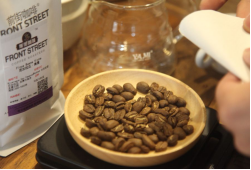
Introduction: The siphon brewer extracts coffee through steam pressure, preserving the bean's original flavors and making it especially suited to single-origin coffee. This brewing method gives coffee a full body and rich layers, but the process requires some skill. This article explains in detail how the siphon works, the equipment needed, the standard operating procedure, and shares key details for improving extraction, helping coffee lovers get started with ease.
The siphon brewer (also called a vacuum pot) is a classic coffee brewing device, originally adapted from German laboratory equipment. It uses the pressure of steam generated by heating to push hot water from the lower chamber up into the upper chamber, where it contacts the coffee grounds for extraction; then, as it cools, the coffee liquid is drawn back down. The whole process combines scientific principle with visual appeal.
Using a siphon brewer fully brings out a coffee bean's regional character and is especially suited to light to medium roast single-origin coffees. Its extraction temperature stays stable between 90-96°C, balancing the release of acidity and sweetness; the resulting coffee usually has pronounced floral and fruity aromas and a clean finish. However, compared with pour-over or French press, the siphon involves more complex steps and requires precise control of heat and stirring technique.
Prepare a complete siphon brewer set (including upper and lower chambers and a cloth filter/mesh filter), freshly roasted ground coffee (a grind close to fine granulated sugar is recommended), purified water, a windproof lighter, a bamboo stirring rod, and a wet towel for emergencies. Special note: before first use, boil the upper and lower chambers in clean water to clean them and make sure no odors remain.
The operating procedure is divided into five key stages: first, pour hot water into the lower chamber to about 2/3 capacity (usually 150-200ml for a single serving), assemble the cloth filter holder with the upper chamber, and secure the hanging chain to the end of the glass tube. Next, place an alcohol burner (a windproof base model is recommended), tilt the upper chamber toward the lower chamber's joint and slowly twist it tight, making sure the sealing ring fits completely.
After lighting, keep the flame's outer edge within no more than 2/3 of the lower chamber's base diameter. When dense large bubbles appear on the water surface in the lower chamber (after about 90 seconds), gently press the upper chamber down so it seals completely. The hot water will then rise quickly under the push of steam pressure; control the heat carefully to avoid a violent boil that overflows.
Once the hot water has fully entered the upper chamber, start the timer immediately and add the coffee grounds (a coffee-to-water ratio of 1:12 to 1:15 is recommended). Stir in two stages using a "center first, then radial" motion: first use the stirring rod in a "Z" shape to mix down to the bottom, then gently stir clockwise along the chamber wall 2-3 turns; total stirring time should not exceed 15 seconds. Then remove the heat source and continue extracting with residual heat, watching the coffee liquid's color change.
When extraction is complete, wrap the lower chamber in a wet towel for 10-15 seconds to cool it quickly, using the pressure difference to draw the coffee liquid back down. You will hear a distinct "hiss"; once the liquid in the upper chamber has fully drained, remove the upper chamber with heat-resistant tongs. Finally, pour the coffee from the lower chamber into preheated cups; drinking within 1 minute of extraction is recommended for the best flavor.
Troubleshooting common problems: if the coffee liquid does not fully return, the cause may be insufficient cooling or an aging sealing ring; if over-extraction makes the coffee bitter, shorten the stirring time or lower the water temperature. Clean the inner glass walls regularly with a soft cloth to prevent coffee oils from building up and affecting visibility. Once you master these points, you can reliably use the siphon brewer to bring out the bean's own high-quality flavor characteristics.


