Home Cold Brew Guide: From Brewing to Filtering Out Cloudiness and Sediment
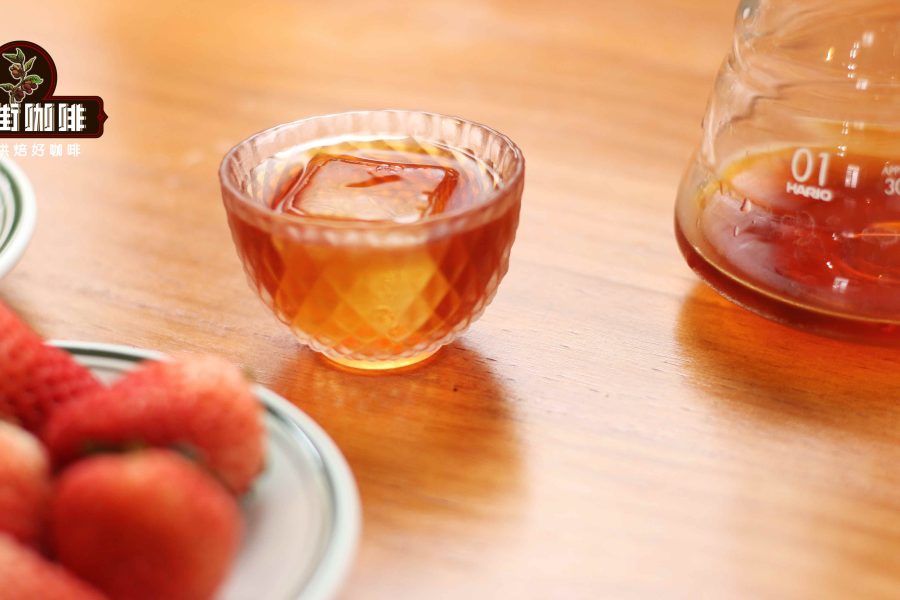
Introduction: Cold brew coffee, with its refreshing low acidity and suitability for summer drinking, has become a daily choice for many coffee lovers. Unlike traditional hot extraction, cold brew extracts flavor by steeping in cold water for a long time. The barrier to entry is low, but doing it well is not simple. This article explains the home cold brew process in detail, analyzes the causes of common cloudiness and sediment problems, and provides practical parameters such as precise coffee-to-water ratios, steep times, and filtering techniques to help you easily make a high-quality cold brew at home with a clean mouthfeel and distinct layers.
Cold brew coffee is a coffee beverage made by using cold water (or room-temperature purified water) as the extraction medium, steeping coffee grounds and water in a low-temperature environment for a long time, and finally filtering out the coffee grounds. Compared with hot extraction, it requires no professional equipment—just coffee grounds, a sealed container, drinking water, and a refrigerator to easily make it at home. This low-temperature, slow-extraction method makes the coffee less acidic and astringent and smoother, especially suitable for drinking in hot weather.

Cold brew's brewing parameters are quite flexible, with room for adjustment from coffee bean type, grind size, and coffee-to-water ratio to steep time and filtering method. As long as you avoid extreme combinations, you can get a good-tasting result in most cases. However, many people find in practice that even when using the same coffee beans and reference parameters, homemade cold brew still doesn't taste as rich and sweet as what cafés produce—this is often related to some easily overlooked details.

Next, we will go through key steps such as coffee bean selection, steep time control, stirring techniques, and filtering methods one by one to explain how to optimize the home cold brew process and solve common cloudiness and sediment problems.
1. Coffee bean selection: choose according to flavor preference
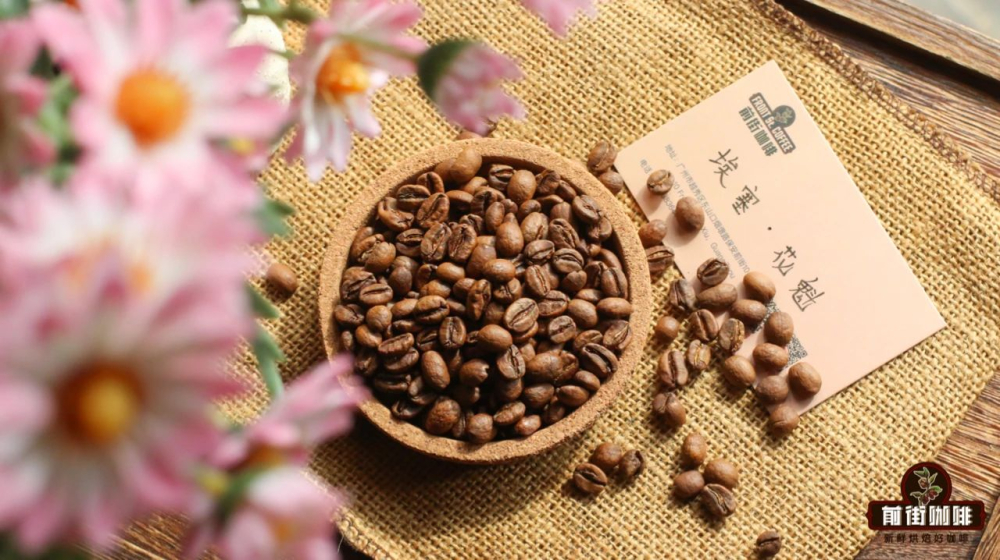
The processing method and roast level of coffee beans directly affect the final flavor of cold brew. If you prefer a fresh, bright acidity, you can choose light-roast beans with a washed process; these beans usually have bright citrus and floral notes. If you like a rich fruity style with honey sweetness, medium-light roast beans with natural or honey processing are more suitable; they often bring complex flavors such as berries and caramel. For drinkers seeking a rich fermented feel and vinous aroma, medium-dark roast beans from regions such as Colombia and Ethiopia are worth trying; after cold brewing, these beans often show layers of chocolate, nuts, and fermented fruit.


2. Steep time: 8–18 hours is the golden range
Cold brew extraction relies on a low-temperature environment, with water temperature usually between 4–10°C. Extraction efficiency is far lower than with hot extraction, so more time is needed for the flavor compounds in the coffee to fully dissolve. Generally, it is recommended to keep the steep time at 8 to 18 hours. Too short may lead to under-extraction and a thin flavor; too long easily leads to over-extraction and bitter, off flavors. Experimental data show that when the steep time is as short as 4 hours, the coffee flavor is as bland as water; when it exceeds 24 hours, there is an obvious bitter taste on the palate. In most cases, 10–16 hours of steeping achieves a balanced flavor performance, retaining fresh acidity and sweetness while having enough body. For convenience, you can start steeping between 7 and 9 p.m. the night before and take it out to filter at the same time the next day, ensuring the time falls within the safe range of 10–14 hours.

3. Coffee bean freshness: avoid overly fresh beans
In hot extraction, freshly roasted coffee beans are often considered preferable because they contain abundant volatile aromatic substances. But the low-temperature environment of cold brew inhibits the release of these gases. Especially for beans roasted recently, a large amount of carbon dioxide remains inside; if not fully degassed, it will affect the extraction efficiency of flavor compounds. Therefore, it is recommended to use coffee beans with a roast date of more than 10 days. At this point, some of the gas inside the beans has been released, which is more conducive to the dissolution of aromatic components, thereby obtaining a cold brew with fuller aroma.
4. Stirring step: improve extraction uniformity
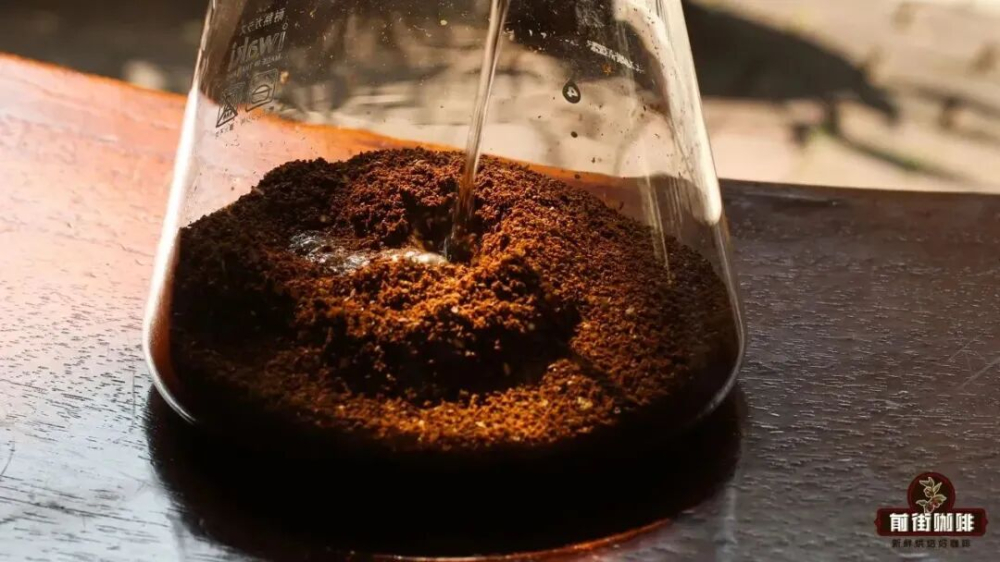
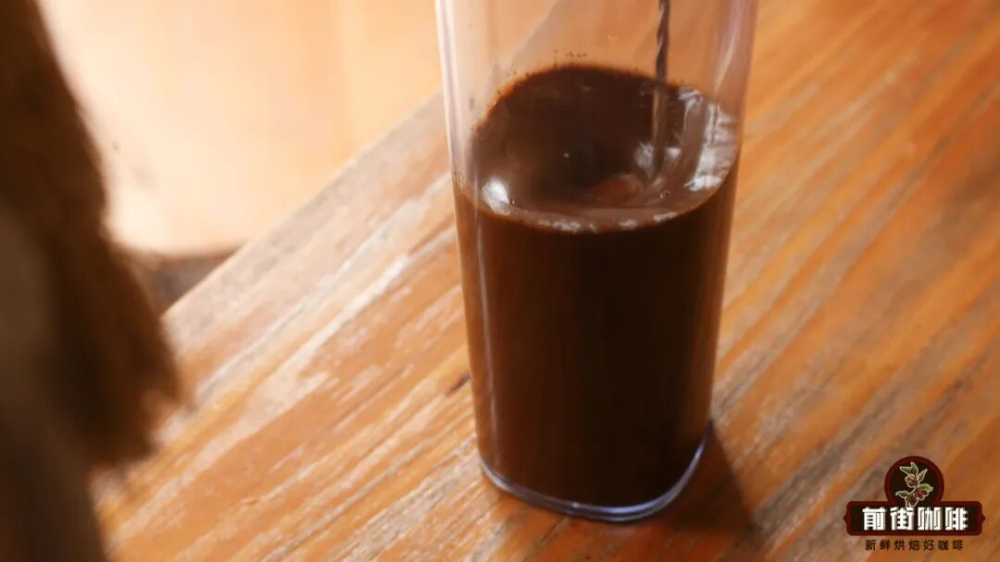
During cold brewing, if you simply add water and let it sit, the coffee grounds are prone to uneven distribution—the surface may be soaked, but there may still be dry grounds at the bottom or edges that do not participate in extraction. In addition, after standing for a long time, coffee particles gradually settle. If you directly filter the upper liquid, the flavor will be thin and the mouthfeel poor. Therefore, active stirring is needed during preparation. When using a large-capacity container, you can use a stirring rod or long spoon to mix thoroughly after adding water, ensuring every coffee particle contacts the water. If using a sealed water bottle, you can close it tightly and shake it upside down several times. After steeping is complete, stir gently again before taking it out to help the sediment resuspend and improve uniformity during filtering.
5. Filtering techniques: solving cloudiness and sediment problems
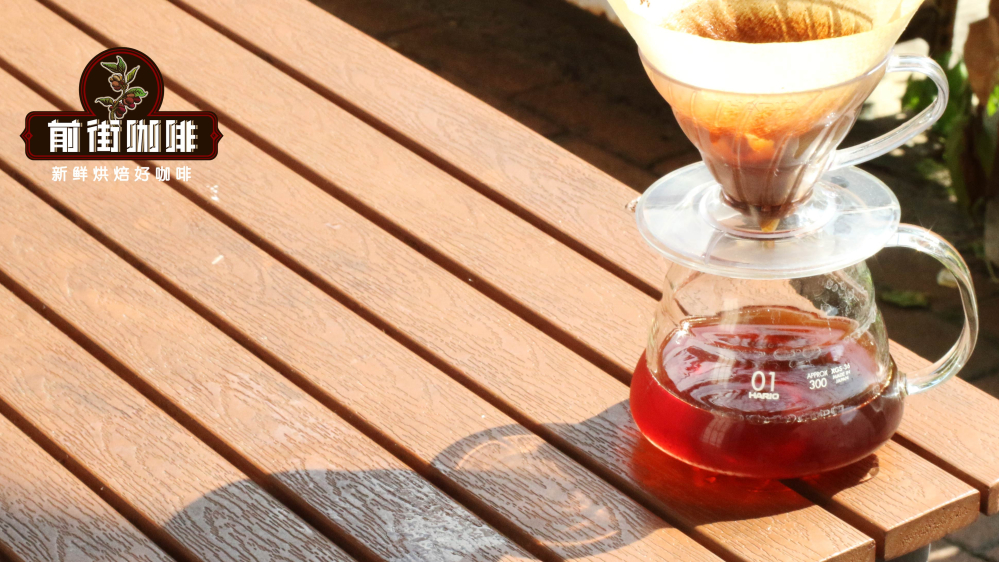
The clarity of cold brew coffee is closely related to the filtering method. Common filtering tools include the built-in filter of a cold brew pitcher, metal filters, filter paper, and flannel filter cloth. The pore size of different tools determines the fineness of particles they can intercept. For example, the mesh density of some cold brew pitcher filters is about 245 mesh. Although it can block most coffee grounds, extremely fine particles and oils may still pass through, causing flocculent suspended matter on the liquid surface, making the coffee look cloudy, giving the tongue a rough feel when drinking, and possibly leaving obvious grounds at the bottom of the cup.
To improve mouthfeel purity, it is recommended to add a step of high-density filter paper filtration after the basic filtration. This can effectively intercept extremely fine particles and reduce about 80% of condensed oils. After filtering, the coffee liquid can be left to stand and refrigerated for 3–4 hours so that flavor substances further settle and separate. Pour off the upper clear liquid to drink; the mouthfeel will then be clearer and more translucent, the acidity more distinct, and the overall flavor layers cleaner.

Once you master the above points, the difficulty of making home cold brew will be greatly reduced. From bean selection to filtering, optimizing the details of each step can bring your cold brew closer to professional standards—refreshing and low in acidity, balanced in flavor, and free of annoying cloudiness and sediment problems.