Zero-Cost Cold Brew Coffee Guide: A Water Bottle Method with Key Ratios
Introduction: On hot summer days, a glass of ice-cold cold brew coffee is a great way to cool down. This article shows you how to make affordable cold brew easily in an ordinary mineral water bottle, reveals the golden coffee-to-water ratio of 1:10 to 1:12 and the optimal extraction time of 6-12 hours, and shares practical tips for improving flavor. No professional equipment is needed—master these parameters and you can recreate café quality at home.
Temperatures have stayed high recently, and a bottle of ice-cold, mellow cold brew coffee is a lifesaver. Many coffee lovers want to try making it themselves but hesitate over the high price of professional equipment. In fact, an ordinary mineral water bottle is all you need for a whole batch of cold brew—this zero-cost approach is especially suited to people who want to try it occasionally.
Using a mineral water bottle to make cold brew has three advantages: in terms of economy, commercial cold brew pitchers cost 40-200 yuan, while a mineral water bottle costs only 2-3 yuan and can be reused once or twice; for precise water control, the capacity markings on the bottle help you calculate the right amount of coffee; and in terms of extraction, the lack of a filter actually encourages full contact between the coffee grounds and water, releasing more flavor compounds, while also eliminating complicated cleaning steps.

The key to success lies in attention to detail: be sure to use bottled mineral water or drinking-quality purified water, and avoid the off-flavors that tap water can bring; never use warm water, as high temperatures can deform the plastic bottle and release harmful substances. If you want to try a non-water base, juice or milk bottles must be rinsed thoroughly, and wide-mouth designs are preferable for easy filling.

As for the proportions, common 300-550 ml mineral water bottles require you to pour out 30-50 ml first to leave room. A coffee-to-water ratio of 1:10 to 1:12 is recommended—for example, after pouring out 40 ml from a 550 ml bottle, use about 42.5 g of coffee at a 1:12 ratio; for a 300 ml bottle, pouring out 30 ml corresponds to 22.5 g of coffee. Be sure to shake the bottle so the grounds and water mix evenly; this action directly affects the final extraction efficiency.

As for precision, beginners need not worry too much. Cold brew takes place at a low temperature of around 4°C, where compounds are extracted slowly; as long as you avoid extreme values (such as an overly strong 1:5 or an overly weak 1:20) and use freshly roasted, high-quality coffee beans, you will usually get a good cup. For bean selection, follow the principle of prioritizing light to medium roasts; for a refreshing flavor, choose washed or natural processed coffees, and for rich fruity aromas, try varieties from special regions.

More advanced brewers can try layering flavors: add fresh jasmine petals, osmanthus, or roses during extraction for a wonderful synergy with the coffee. Be sure to wash the flowers in advance and drain them well; choosing flowers in full bloom in season is recommended for the best aroma.

The specific procedure is as follows: first prepare a 300 ml mineral water bottle and drink 30-40 ml to leave room; put 20 g of medium-fine ground coffee (recommended 80-82% passing a No. 20 sieve, corresponding to 9.5 on an EK43s grinder or 22 clicks on a C40) into the bottle, using a mini dripper to help with filling if needed; add fresh jasmine flowers at the same time for extra complexity, then screw the cap on tightly and shake vigorously for 30 seconds to promote pre-wetting.

Place the sealed bottle in the refrigerator; the core extraction period is 6-12 hours. During this time, gently shake it once or twice every 4 hours to speed up flavor release, but avoid shaking too hard, which can crack the bottle. Watch the coffee grounds settle: once a clear sediment layer forms at the bottom and the liquid above takes on an amber color, it is ready to use.

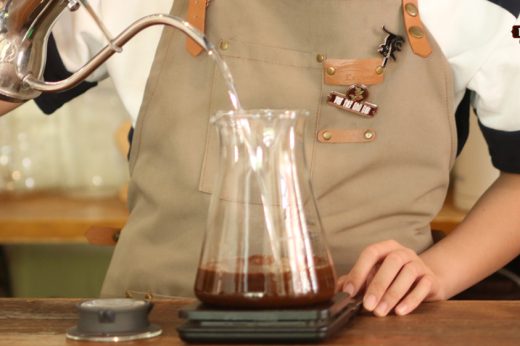
Filtering requires some care: let the bottle stand before pouring so gravity allows the grounds to settle naturally. Do not stir while pouring slowly; if you see a small amount of residue, you can filter it a second time through a fine mesh. Add ice to adjust the strength to your taste, and pairing with citrus fruits or mint leaves is recommended to enhance the drinking experience.

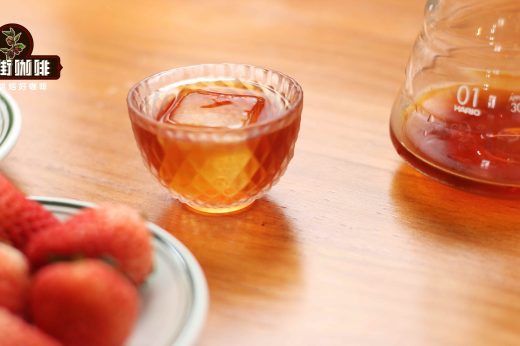
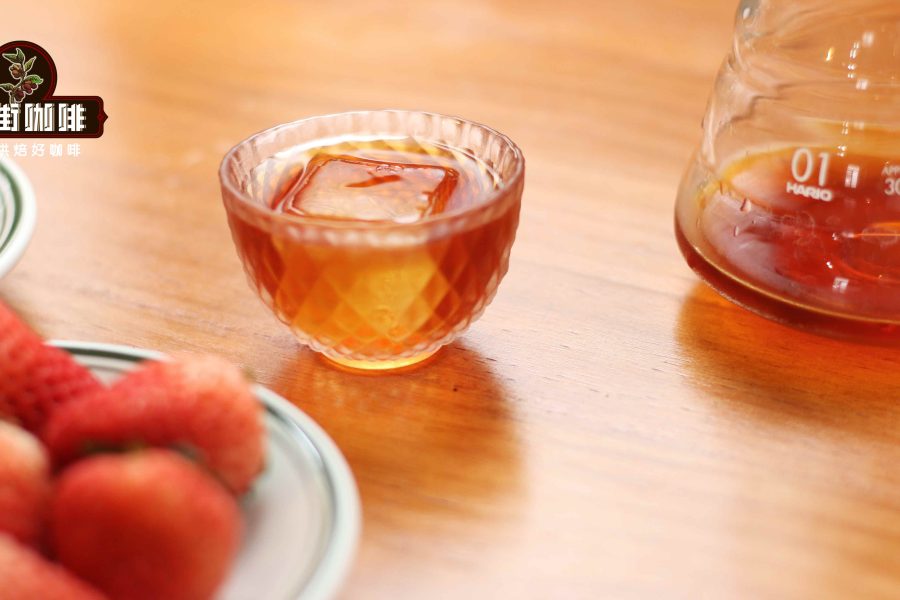
The final product should show a balance of bright acidity and fresh floral aromas—citrus and stone fruit notes dominate the front of the palate, followed by a delicate finish of green tea and jasmine, with an overall clean, refreshing, and light body. This method is especially suited to coffee lovers on a budget who still want quality; once you have mastered the core parameters, you can adjust flexibly to your personal taste.