Cuban Crystal Mountain Coffee: Origin Environment and Flavor Profile, A Pour-Over Guide
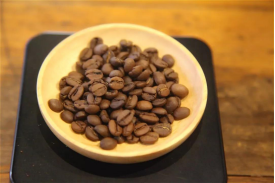
Introduction: Cuban Crystal Mountain coffee is known for its unique terroir and refined taste, making it a specialty choice in the minds of many coffee lovers. This article takes a deep look at Cuba's coffee growing environment, climate conditions, and the distinctive flavor characteristics of Crystal Mountain coffee, helping you better understand this coffee bean that can rival Blue Mountain and grasp its flavor expression and brewing suggestions.
Cuba is located in the West Indies and has a uniquely favorable natural ecological environment, especially suited to growing high-quality coffee. Most of the country has a tropical rainforest climate, with an annual average temperature maintained at about 25 degrees Celsius and average annual precipitation exceeding 1000 millimeters. This warm, humid climate provides ideal conditions for coffee tree growth.
Cuban coffee grown in such an environment usually has plump beans, a harmonious and unified flavor, and a distinctive tobacco-like aroma. Although Cuban coffee has a certain reputation in the international market, its coffee industry still faces challenges such as lagging technology and outdated infrastructure. Its main export destinations include Japan, France, and Germany, with Japan being its largest import market.
When mentioning Cuban coffee, one cannot fail to mention "Crystal Mountain coffee." This name has almost become synonymous with Cuba's high-end coffee, and its status is comparable to Jamaican Blue Mountain coffee. Crystal Mountain coffee is a typical island-type coffee bean, grown at high altitudes. Thanks to its superior geographical environment and meticulous cultivation management, it has developed a distinctive flavor profile.
In terms of flavor expression, Crystal Mountain coffee usually shows a clean and delicate mouthfeel, with a slight acidity on entry, followed by a soft sweetness accompanied by fresh melon and fruit aromas. This flavor combination makes it highly regarded among coffee lovers, especially suitable for those who prefer a layered mouthfeel with balanced acidity and sweetness.
For enthusiasts who want to try brewing Crystal Mountain coffee, the pour-over method is recommended to better showcase its delicate flavors. Generally, a medium-fine grind is suggested, with a water-to-coffee ratio controlled between 1:15 and 1:16, and a water temperature maintained at 90 to 93 degrees Celsius. When pouring, segmented extraction can be used: first pour water in the center for blooming, then gradually pour in circles. The total extraction time is recommended to be between 2 minutes 30 seconds and 3 minutes, which helps fully release its sweetness and fruity aroma.
It should be noted that because Crystal Mountain coffee itself has relatively delicate flavors, over-extraction should be avoided as much as possible during brewing, so as not to amplify bitterness and affect the overall flavor balance. In addition, choosing freshly roasted coffee beans is particularly important; drinking within 7 to 21 days after roasting is recommended for the best flavor experience.
Overall, with its unique origin environment, refined flavor expression, and relatively rare output, Cuban Crystal Mountain coffee has secured a place in the global specialty coffee market. Whether for daily drinking or as a collection experience, it is worth coffee lovers' in-depth understanding and trial.


