Kopi Joss: Indonesia's Charcoal Coffee and How It's Made
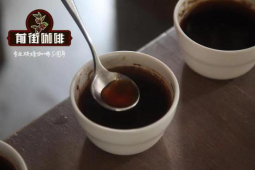
Introduction: Charcoal coffee (Kopi Joss) is a highly distinctive traditional drink from the Yogyakarta region of Indonesia, named for the "Joss" sound made when a piece of charcoal is dropped into the coffee cup during brewing. This unique method of putting red-hot charcoal into coffee not only delivers visual impact but also gives the coffee a special layering of flavor. This article introduces Kopi Joss's origins and background, its flavor characteristics, and a method for recreating it at home, offering a look at this representative example of Indonesian street coffee culture.
In Yogyakarta, Indonesia, there is an unforgettable specialty coffee that locals call Kopi Joss. The coffee's defining feature is its unique preparation: once a cup of hot coffee has been brewed, the server drops a piece of glowing red charcoal directly into the cup, which immediately produces a "Joss" sound—the origin of its name.
As for the origins of Kopi Joss, one account holds that early local café operators, hoping to give their coffee a certain "stomach-settling" function, tried adding heated charcoal to coffee and unexpectedly found that coffee treated this way not only had a distinctive flavor but also won many customers' affection. Over time, the practice spread and became a signature drink of Yogyakarta.
Today, visitors traveling to Yogyakarta often make tasting an authentic Kopi Joss an important part of experiencing local culture. At local street coffee stalls or traditional cafés, ordering a Kopi Joss and watching the glowing charcoal dropped into the coffee is not only a treat for the palate but also a unique visual experience.
In terms of preparation, Kopi Joss is not complicated. First, the barista grinds coffee beans in the usual way, typically choosing medium-dark roasted beans to enhance body. Next, the ground coffee is combined with about 4 spoonfuls of sugar and hot water to brew a rich, fairly sweet base coffee. Once the coffee is brewed, a piece of charcoal that has been burned red-hot and is slightly carbonized on the surface is placed directly into the cup. After steeping for a period, the charcoal is removed once it has cooled naturally, and the coffee on top is ready to drink.
The charcoal plays a special role in this process. It not only adsorbs some of the caffeine but also reacts subtly with the sugar in the coffee, making the whole cup fuller in mouthfeel with a slight smoky and charcoal aroma. Some coffee lovers describe the taste as having a faint charred fragrance and a gentle sweetness, with rich layers and a memorable character.
It should be noted that although charcoal is relatively clean after burning at high temperature, anyone trying this at home must make sure the charcoal used is food-grade or intended specifically for cooking, and avoid ordinary charcoal containing chemical additives, so as not to affect health and flavor.
In addition, Kopi Joss is usually quite sweet, mainly because of the large amount of granulated sugar added during brewing—a measure originally adopted to balance the bitterness brought by the charcoal. If you prefer low-sugar or unsweetened drinks, you can adjust the amount of sugar to your taste, or even try replacing it with a natural sweetener.
For coffee lovers who want to recreate the flavor of Kopi Joss at home, although the unique effect of charcoal cannot be fully reproduced, you can try adding a small amount of smoky-flavored coffee beans, or use smoked syrup for seasoning, paired with dark-roasted beans, to simulate a similar layering. Of course, for the real Kopi Joss experience, it is still best to go to Yogyakarta, Indonesia, in person and feel the thrill and satisfaction brought by that "Joss."


