Ice Drip vs. Cold Brew Coffee: Full Comparison of Methods, Flavor, and Buying Guide

Introduction: Ice drip coffee and cold brew coffee are both low-temperature extracted coffees suitable for summer drinking, but they differ significantly in production methods, flavor characteristics, and suitable occasions. This article starts with the principles, explains in detail the unique extraction process of ice drip coffee and the causes of its flavor, and compares it with cold brew coffee in multiple dimensions to help coffee lovers choose a more suitable drink according to personal taste preferences, while also providing practical brewing and storage suggestions.
Coffee brewing methods are diverse, among which pour-over coffee is one of the most common methods, but it requires high attention to operational details. For consumers who like a refreshing taste, low-temperature extracted coffee offers another choice. Low-temperature extraction not only reduces the precipitation of bitter substances but also retains the purer flavor layers of coffee.
What is ice drip coffee?
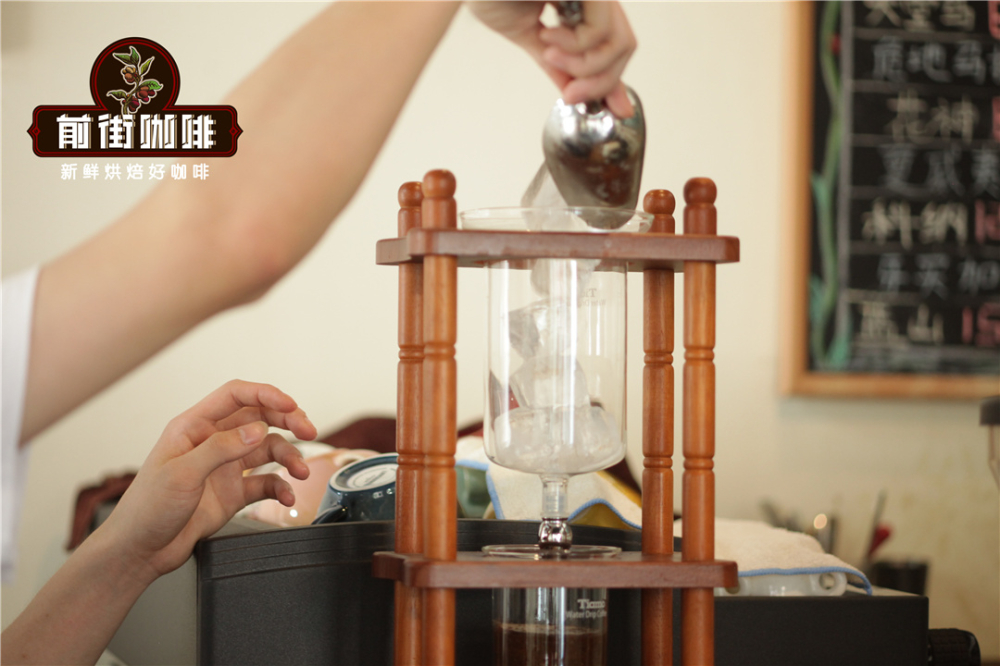
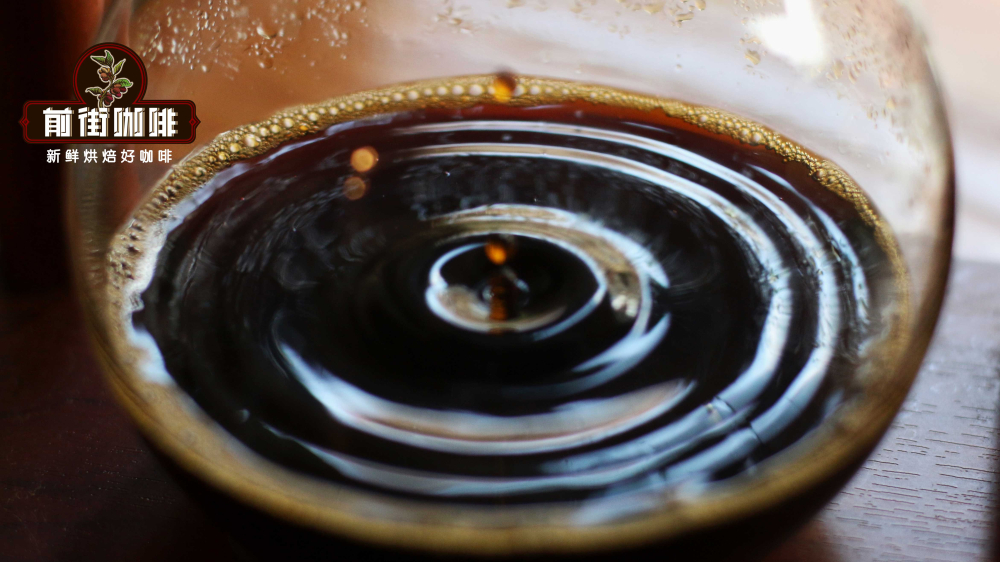
Ice drip coffee originated in Europe. Because early extraction used a distiller invented by the Dutch, it is also called Dutch Coffee, distilled coffee, or water-drip coffee.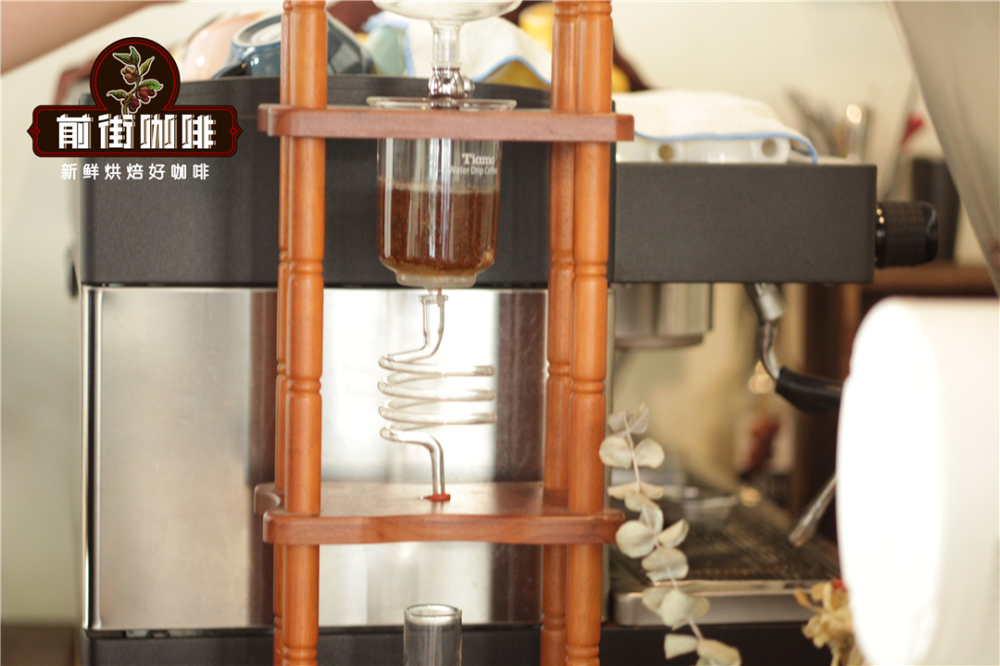 Its core principle is to use ice water to slowly penetrate the coffee grounds layer under gravity, and through long-term natural extraction, generally taking about 5 to 8 hours, to gradually extract flavor substances. Compared with high-temperature brewing, the low-temperature environment can effectively inhibit the release of bitter components, making the final product cleaner and more transparent.
The coffee liquid extracted by ice water over several hours is usually recommended to be placed in a sealed container and refrigerated for 12 to 24 hours. This process helps further integrate and release flavor substances, forming a unique fermented aroma while enhancing the fullness of the mouthfeel. However, note that the best drinking period for such coffee is usually no more than 72 hours; exceeding this time range may affect quality.

Why can ice drip coffee be stored for a long time?
Unlike regular pour-over coffee, ice drip coffee has not undergone high-temperature treatment, and the extraction process is long, allowing flavor substances to be fully extracted but released slowly. Under sealed refrigeration, carbon dioxide in the coffee liquid gradually accumulates to form a slight pressure environment, which helps further display of flavor. This is also why ice drip coffee that has been left to stand often becomes richer over time. However, to ensure hygiene and safety, it is still recommended to drink it within three days.
Basic concept of cold brew coffee
Cold brew coffee, also called cold water coffee, is a coffee drink made by mixing coffee grounds with room-temperature water (usually 20-22°C) and soaking for a long time for extraction. This method can be traced back to the Dutch maritime period, when sailors developed this brewing method to solve the problem of lacking hot water on ships.
The production cycle of cold brew coffee is long, usually requiring 12 to 48 hours, far exceeding the extraction time of ice drip coffee. Because low-temperature water is used, this process mainly extracts small-molecule flavor substances in coffee, such as floral and fruity aromas, while large-molecule smoky and roasted flavors are less precipitated, so the finished product has significantly lower acidity and a fuller mouthfeel.
Core differences between ice drip coffee and cold brew coffee
Although both belong to the category of low-temperature extraction, ice drip coffee and cold brew coffee have essential differences in multiple dimensions.
1. Different extraction methods
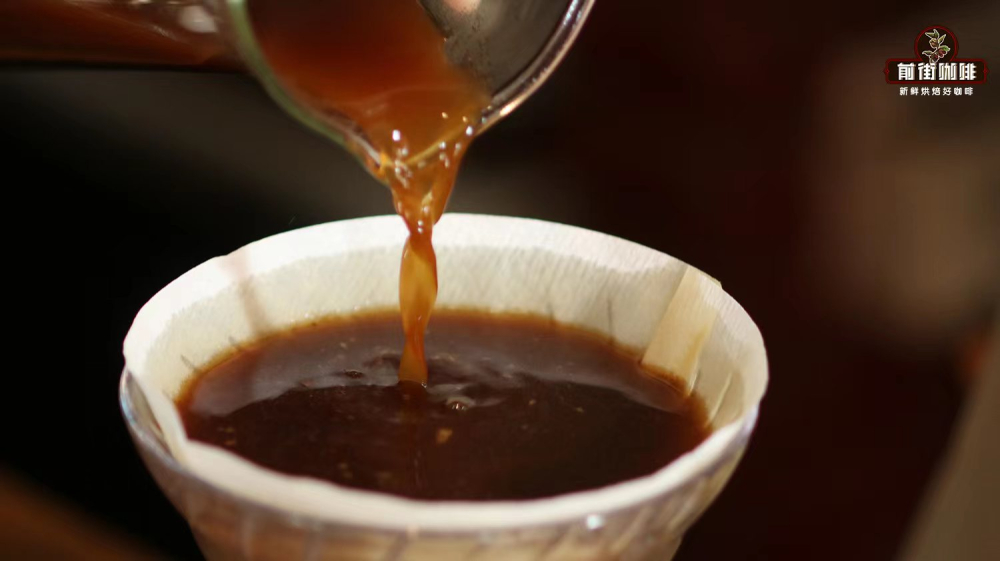
Cold brew coffee uses a static immersion method, mixing coffee grounds with cold water and leaving it to stand for 16 to 20 hours, then separating the coffee grounds through filter paper; while ice drip coffee uses the percolation principle, with ice water slowly dripping through the coffee grounds layer to directly form the filtrate.
2. Differences in flavor characteristics
Cold brew coffee usually presents a rich and heavy mouthfeel, similar to the texture of espresso, and tends to leave fine sediment; ice drip coffee is known for its refreshing and transparent quality, with high flavor purity, fully displaying floral and fruity aromas, and better control of bitterness and acidity. Ice drip coffee that has been left overnight often develops a more layered aroma expression.
3. Differences in required equipment
Cold brew coffee has relatively loose equipment requirements; ordinary containers can complete the production; ice drip coffee requires a dedicated ice drip pot to achieve precise drip control.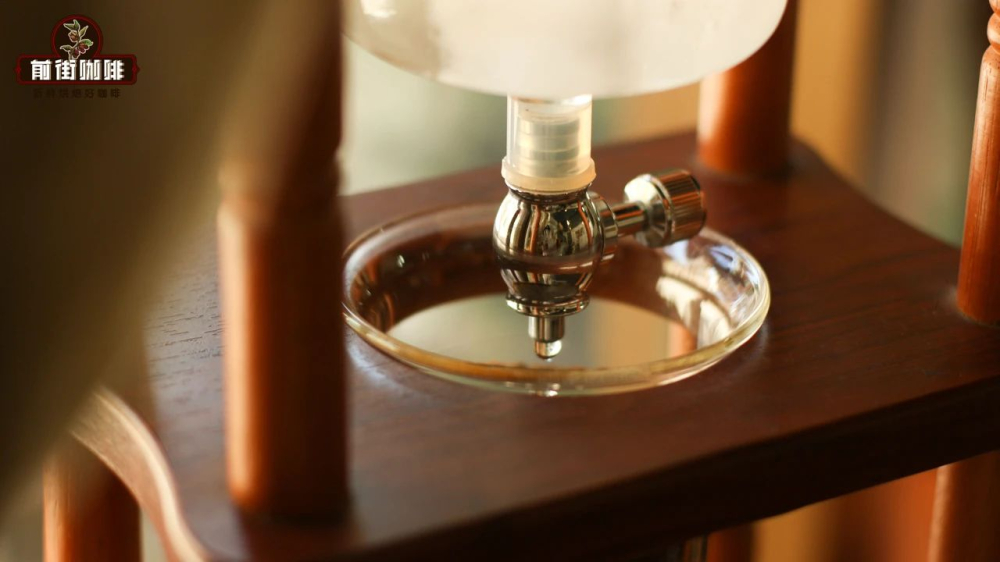
Practical brewing suggestions
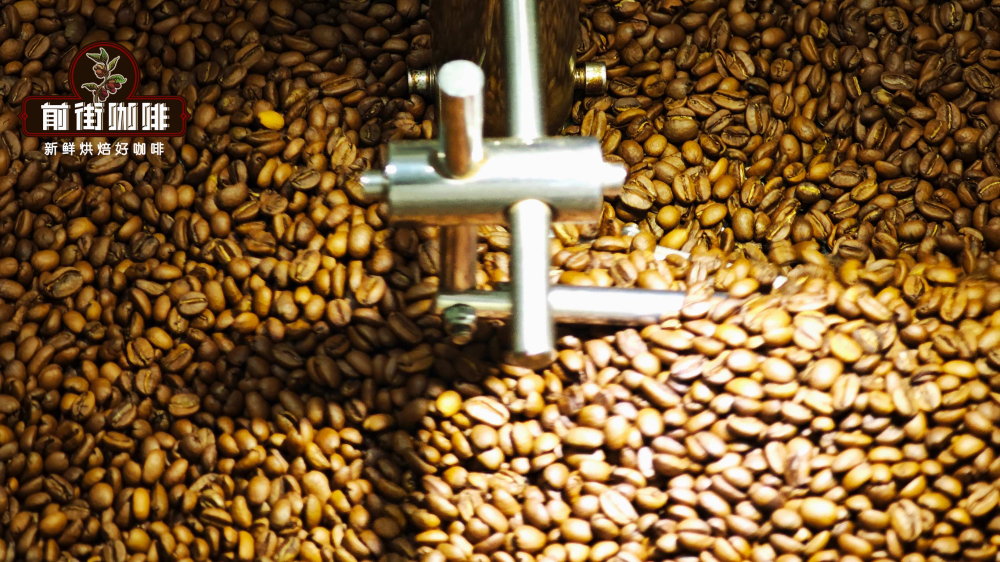
Regardless of which brewing method is chosen, the freshness of coffee beans is the key factor determining flavor. It is recommended to prioritize fresh beans with a roast date within 5 days to fully experience the rich aroma layers. Ground coffee powder should be used as soon as possible to avoid flavor loss caused by oxidation. For long-term extraction processes such as ice drip or cold brew, using a coarse grind helps improve extraction uniformity and reduce the risk of over-extraction.