Mandheling Drip Bag Coffee: Flavor Analysis and Brewing Guide
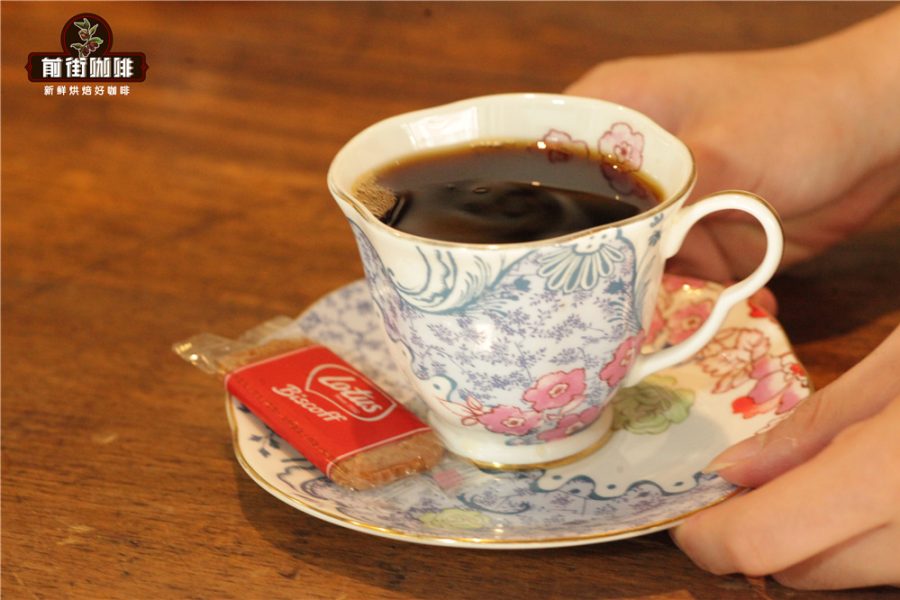
Introduction: Traveling for work and want freshly ground coffee but limited by conditions? Drip bag coffee is an ideal choice that balances convenience and flavor. This article takes an in-depth look at the unique flavor characteristics of Mandheling drip bags, details its origin background and processing methods, and provides professional-level brewing steps and parameter suggestions to help you easily recreate a café-level taste at home, while also recommending two representative Mandheling drip bag products for flavor exploration.
For people who frequently travel for work or love to travel, wanting a cup of freshly ground coffee while away is often unrealistic. Traditional coffee machines are inconvenient to carry, and instant coffee struggles to satisfy the pursuit of quality. At this point, drip bag coffee becomes an ideal choice that is both convenient and able to retain coffee's original flavor. No complicated equipment is needed—just hot water and a filter bag—and you can easily enjoy a coffee experience close to pour-over quality.
Compared with common instant coffee on the market, drip bag coffee offers a richer range of flavor choices. Whether it's fresh floral and fruity notes or mellow nutty and chocolate flavors, you can find a corresponding product. Especially for coffee lovers who prefer intense taste and unique regional flavors, Mandheling drip bag coffee from Sumatra, Indonesia, is worth a special try. Its unique herbal aroma and steady woody notes come from the local special high-humidity environment and the distinctive wet-hulled processing method.
The reason Indonesian Mandheling coffee has such a distinctive flavor profile is inseparable from its origin environment and processing method. Sumatra's unique high-humidity climate, combined with the unique wet-hulled processing method (locally called Giling Basah), creates Mandheling's signature herbal, woody aroma and low-acidity character. This processing method is truly rare among the world's coffee processing methods. By removing part of the coffee bean's outer shell and hulling it while semi-dried, it unexpectedly forms Mandheling's distinctive thick body and muffled aroma characteristics.
When choosing Mandheling drip bag coffee, freshness is one of the key factors affecting the final flavor. Consumers are advised to choose products that can guarantee fresh roasting; ideally, coffee beans and drip bags should be packaged within a short time after roasting. Professional roasters can usually complete product packaging and delivery within 5 days after roasting, ensuring consumers taste coffee at its optimal flavor period.
For coffee lovers trying Mandheling flavor for the first time, it is recommended to start with products that use dark roasting and the classic wet-hulled process. Such products usually show obvious herbal, woody and pine aroma, helping drinkers quickly build an understanding of "classic Mandheling flavor," and they are also a cost-effective choice for many coffee lovers' daily drinking. Through such entry-level products, drinkers can gradually explore their own preferences for Mandheling flavor and use that to choose subsequent products more suited to personal taste.
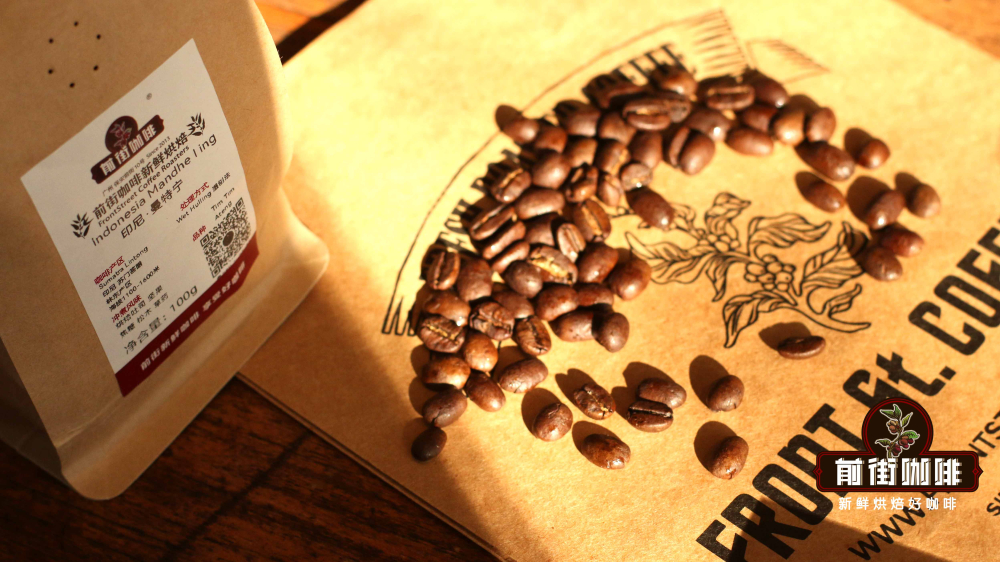
When you want to try higher-quality Mandheling drip bag coffee, you can choose products that have undergone strict screening and special processing. Such products often use more refined screening processes, ensuring the consistency and high quality of every coffee bean through multiple machine and manual screenings. In terms of processing, premium Mandheling coffee beans under sunlight present a unique luster, which is also one of the identifying features of high-quality Mandheling coffee. Such products usually show richer flavor layers, including diverse flavor characteristics such as spices, herbs, chocolate, caramel and nuts.
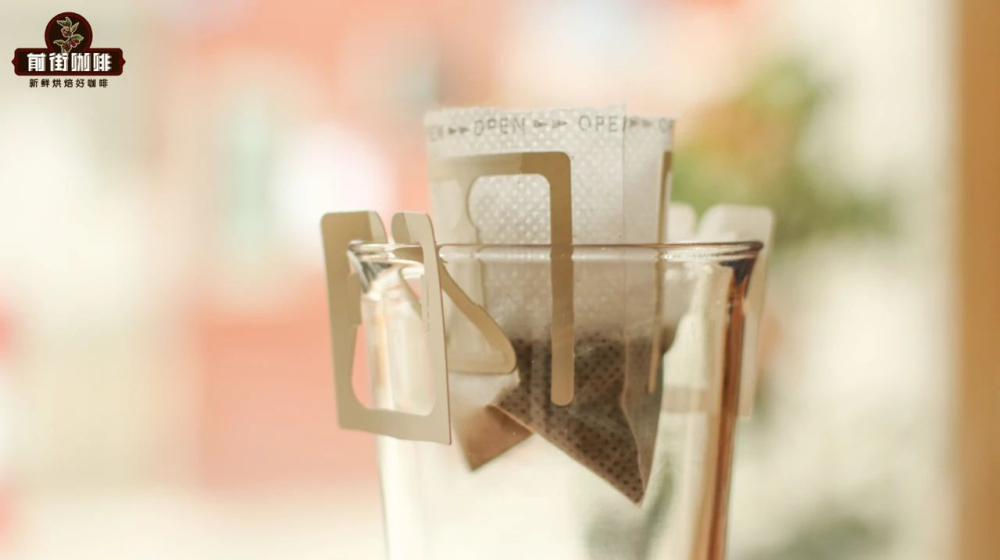
For brewing drip bag coffee, although the operation seems simple, it contains many key techniques that affect the final flavor. First, after preparing your favorite cup, open the drip bag package and find the opening position usually marked with the words "OPEN HERE" and a dashed line. Carefully tear open the package along the dashed line, gently unfold the filter paper hangers on both sides and set them firmly over the cup rim, making sure there is no large gap between the filter paper and the cup wall to avoid affecting the evenness of extraction.

Water temperature control is one of the key parameters affecting coffee extraction. It is recommended to use hot water between 90-93°C. This temperature range can effectively extract flavor substances from coffee without over-extraction causing bitterness. Taking a standard 10g drip bag coffee as an example, the ideal coffee-to-water ratio is 1:15, that is, using 150 ml of hot water for brewing. This ratio can present a balanced and rich flavor performance in most cases.
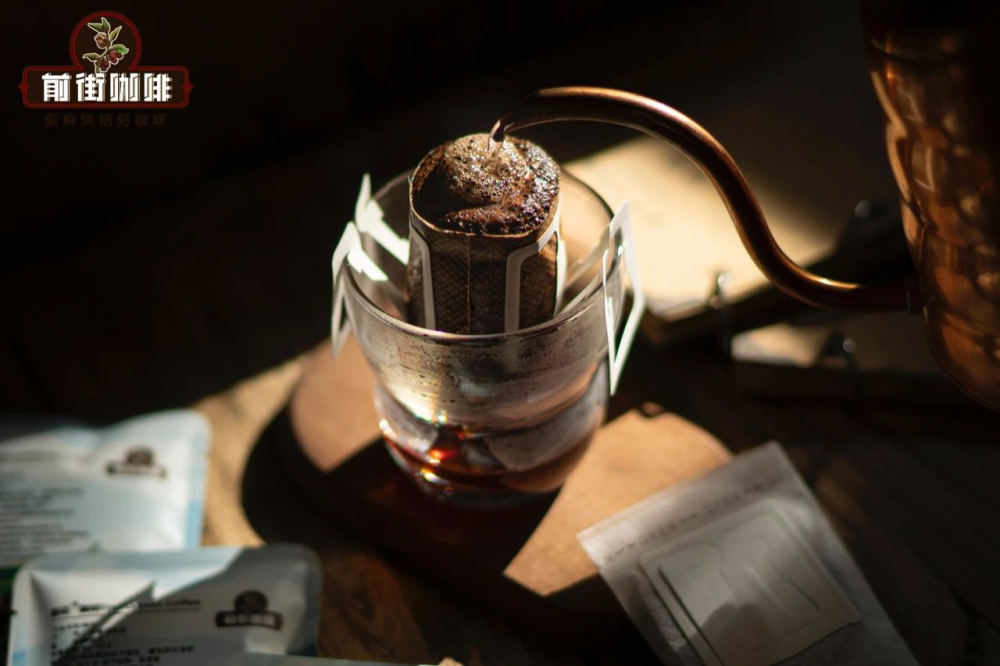
The brewing process is divided into two stages to optimize extraction. First, perform pre-infusion, slowly pouring about 20 ml of hot water in a circular motion to ensure all coffee grounds are evenly moistened. This step is called "blooming" and can activate the aromatic substances in the coffee grounds. After pouring, let it sit for about 20 seconds to allow the coffee grounds to fully release gas and begin initial extraction. Then, continue pouring evenly in a circular motion from the inside out and then from the outside in until the target water amount is reached. The entire pouring process is recommended to be completed within 2-3 minutes to ensure completeness of extraction and balance of flavor.
After brewing, gently remove the drip bag filter and discard the used coffee grounds. According to personal taste preferences, you can add an appropriate amount of milk or sugar to adjust the flavor. It should be noted that Mandheling coffee itself has lower acidity and a heavier body, and usually does not need much embellishment to show its unique charm. If you prefer a softer mouthfeel, you can try adding a small amount of plant milk or a small amount of sugar to balance the flavor.