Sumatra Mandheling coffee review: flavor profile and pour-over guide
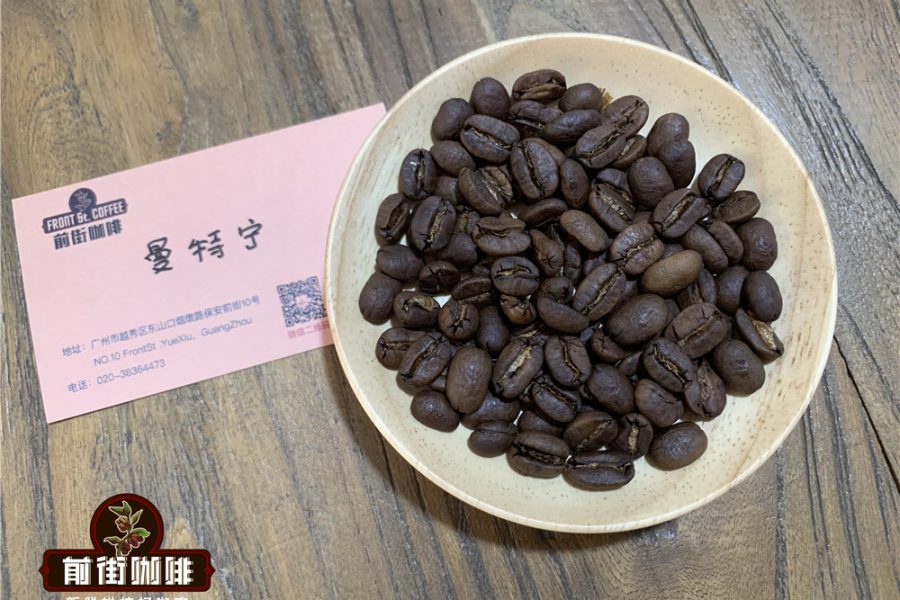
Introduction: Sumatra Mandheling, a representative coffee variety from Sumatra, Indonesia, has secured a place in the global specialty coffee market thanks to its distinctive herbal and woody notes. This article takes an in-depth look at the flavor characteristics, processing methods and optimal brewing approaches of this classic Arabica coffee, helping enthusiasts understand its appeal from a professional perspective, and provides a taste comparison reference for 1:1 and 30:70 blend ratios.
In the specialty coffee world, Sumatra Mandheling from Indonesia has become a collector's choice for seasoned coffee drinkers thanks to its striking regional character. This Arabica coffee, grown in northern Sumatra, develops a heavy body distinct from other origins through its unique wet-hulling process—at medium-dark roasts it presents pronounced spice, herbal and cocoa aromas, while light roasts retain more of a fresh citrus-fruit foundation.
As for the golden ratios for Mandheling, experienced roasters often recommend two classic combinations: a 1:1 blend balances sweetness and mellow richness with grassy aroma, suited to consumers who prefer layering; a 30:70 blend highlights the slight sweetness within a full-bodied base, and performs especially well with milk. Both ratios use medium to heavy roasts, and for pour-over the grind is best kept slightly coarser than fine sugar.
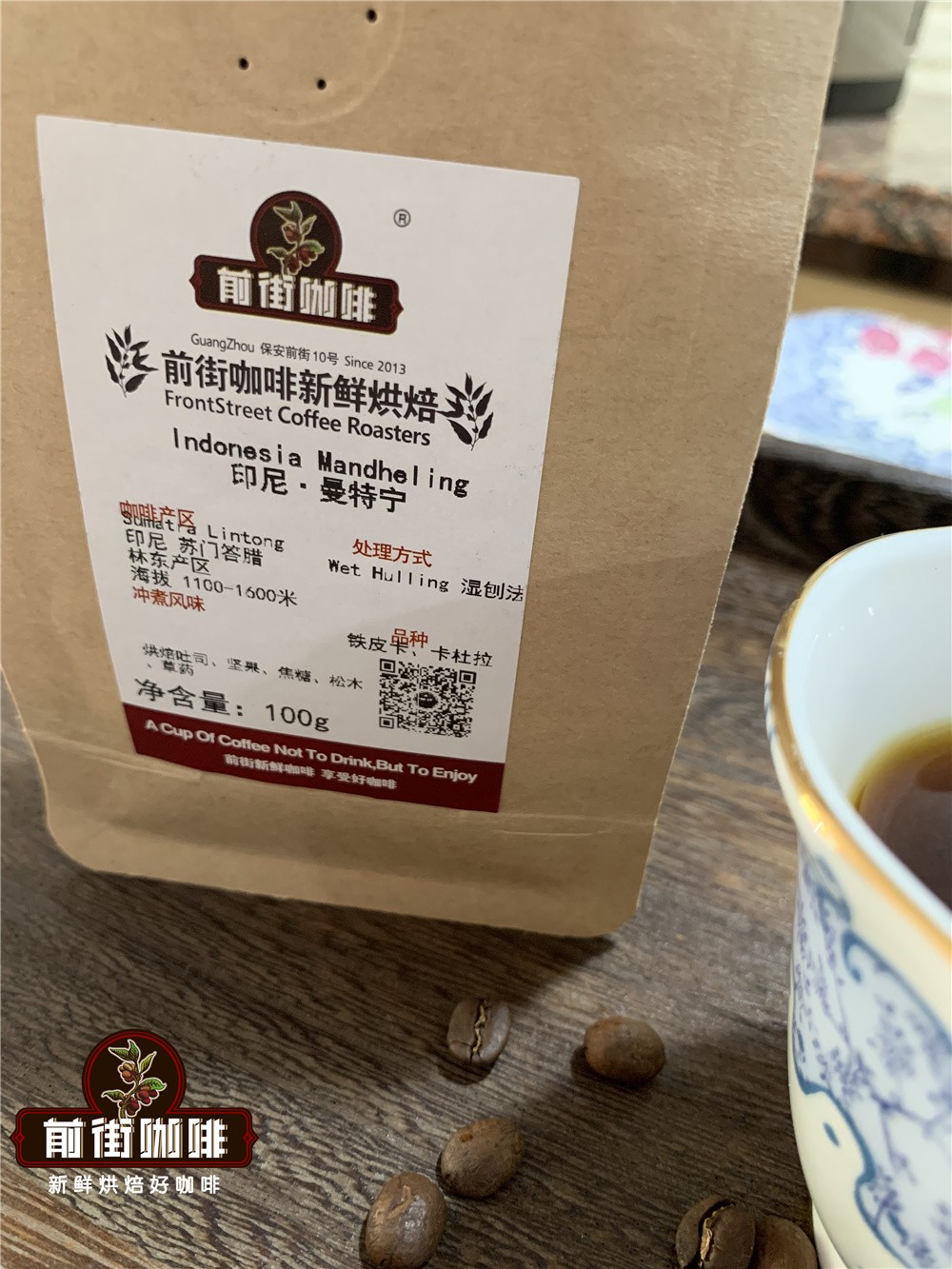
Analysed on the flavor wheel, Mandheling's fruit acidity is relatively mild, but its bitterness and body are prominent. When deep-roasted, the coffee releases distinct sandalwood, smoky and earthy notes—traits that made it highly popular among coffee lovers in Japan and Taiwan in the last century. It is worth noting that Mandheling is not a geographical origin name but derives from the local Mandheling people; its core growing belt is concentrated in the high-altitude areas around Lake Toba in Sumatra.
For home brewers, a V60 dripper with water at 92-94°C is recommended; a 1:15 coffee-to-water ratio better showcases its low-acid, high-body character. For staged pouring, a center-pour method is suggested: the first stage uses 30% of the total water for blooming, followed by three even pours. If a brighter cup is desired, try lowering the roast to medium and shortening the brew time to within 2 minutes 15 seconds.
In the third wave of specialty coffee, although citrus-forward coffees from Africa and Central America are more sought after, Mandheling's distinctive herbal and resinous aromas remain irreplaceable. The hallmarks of a quality Mandheling include a lingering sweet aftertaste, low astringency and a clear brown-sugar finish. When choosing, consumers should distinguish between traditionally wet-hulled Mandheling and newer natural-process versions; the latter usually have richer tropical-fruit flavors but slightly less body.
Professional baristas suggest that first-time Mandheling drinkers choose lots with "Golden Mandheling" certification, as these beans are strictly sorted and mostly grown above 1,400 meters. For storage, use foil bags with one-way degassing valves, and avoid hot, humid environments that cause aroma loss. For café owners, Mandheling pairs extremely well with chocolate desserts and can serve as an important option on the menu for balancing acidic drinks.


