Sumatra Mandheling Grades Explained: Flavors and Processing from G1 to Aged Beans
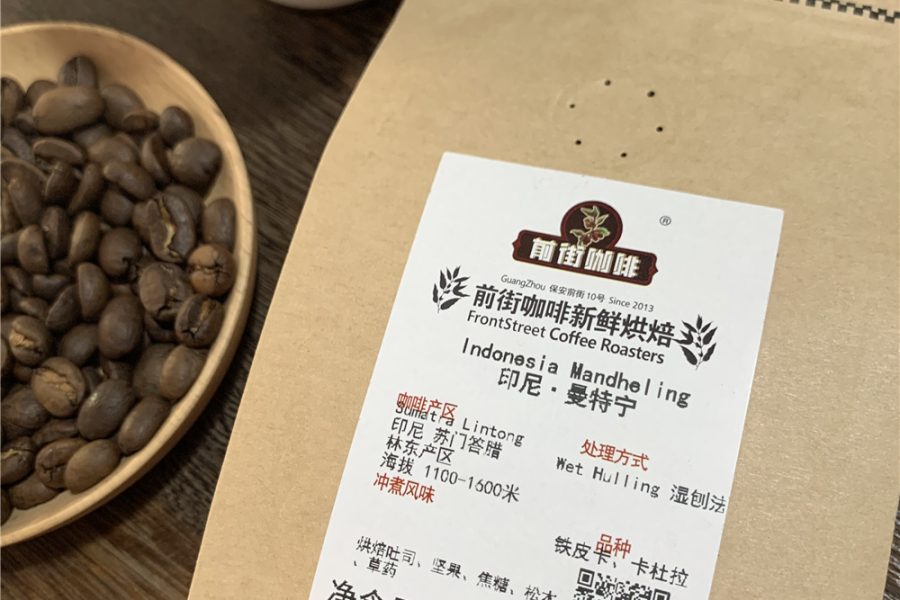
Introduction: Sumatra Mandheling coffee is known for its distinctive full, rich body, but its grading standards are often misunderstood in the market. This article takes an in-depth look at four grade systems—Mandheling, Golden Mandheling, Lake Tawar coffee and Aged Mandheling—covering defect ratios, processing methods and flavor characteristics, to give you a full picture of how these classic beans differ. Practical brewing suggestions for each grade are included to help you find the one that suits you best.
Among coffee enthusiasts, the term "G1-grade coffee beans" comes up often, but when asked about the specific grading standards, most people cannot explain them clearly. In fact, Indonesia's coffee grading system is not based on bean size or visual perfection; quality grade is determined by strictly counting the proportion of defective beans—this is the true core of judging coffee quality.
Indonesia mainly uses the semi-washed process, and its grading system runs from G1 (best) to G5, five levels in total. In the Sumatra producing region, Mandheling coffee has further developed four distinctive grading systems: basic Mandheling, Golden Mandheling, Lake Tawar coffee and Aged Mandheling, each with its own processing method and flavor expression.
[Basic Mandheling] comes from the Lintong hills around Lake Toba at 900–1,200 meters above sea level, the most classic Mandheling producing area.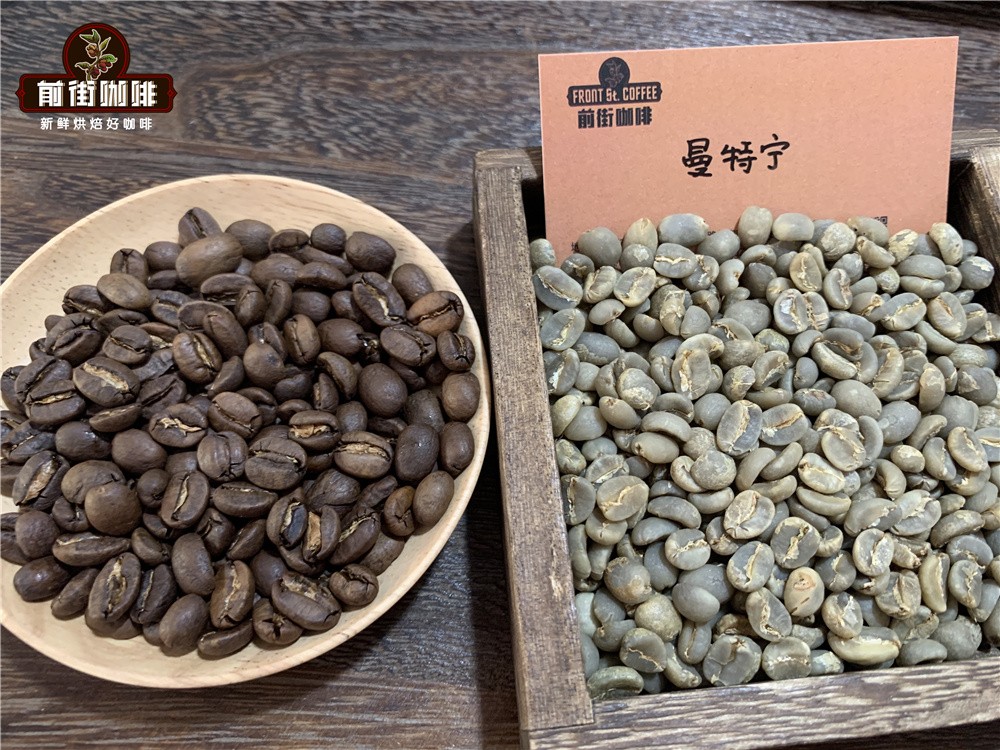 This grade is mostly processed using Indonesia's signature wet-hulling method, with some traditional natural processing as well. Notably, wet-hulling removes the parchment while the beans still have a high moisture content, creating its trademark low-acid, full-bodied character—suitable for drinkers who like intense flavors.
[Golden Mandheling] has stricter screening standards, requiring more than four rounds of hand-sorting to remove defective beans, so the beans are generally larger than regular Mandheling. Natural and semi-washed processes predominate, and the word "golden" in the name refers both to the selection process and to the brighter fruit acidity and richer sweetness. Professional tip: use a medium-fine grind (e.g., 75% passing a Chinese standard No. 20 sieve) with 92°C water to better bring out its nutty notes.
[Lake Tawar coffee] comes from the highlands of the Aceh region at the northern tip of Sumatra, near the Tawar mountains. Thanks to the arrival of international coffee groups and the introduction of technology, this region was the first to popularize semi-washed techniques and currently uses mainly washed and semi-washed processes. Compared with traditional Mandheling, Lake Tawar coffee usually shows clearer citrus acidity and higher acidity vibrancy, suitable for consumers who prefer fresh flavors.
[Aged Mandheling] is the most unusual of all—green beans with the parchment still on must be stored in temperature-controlled warehouses at origin for 3–5 years, turned regularly to ensure even aging. Long maturation gradually softens sharp acidity and develops a chocolate-like richness and woody spice aromas. Important note: aged beans should be roasted 10–15% darker than fresh beans, and extending the bloom to 45 seconds during brewing better releases the complex flavors.
Common misconceptions: the "zero defects" many merchants advertise is not an official grading standard; Indonesian grading only counts the number of defective beans. In addition, the practice of mixing beans from different regions in pursuit of large bean size actually harms flavor consistency. For truly high-quality Mandheling, prioritize processing methods suited to the producing region and reasonable grading standards.


