Sumatra's Top Jade Dragon Coffee: Wet-Hulling and Flavor Explained
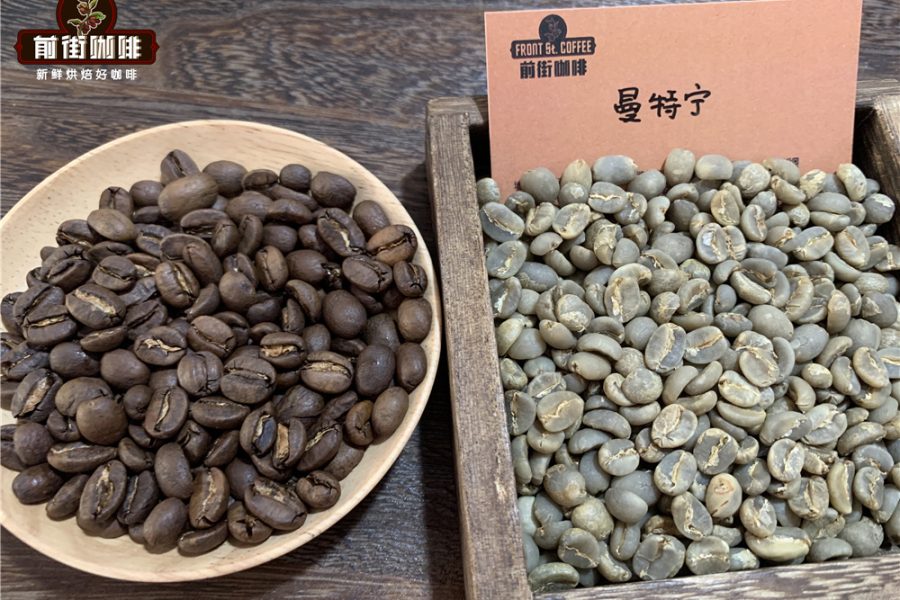
Introduction: Sumatra Jade Dragon coffee is regarded as one of the highest-quality coffees in the region. It comes from an ecological cooperative in the Takengon highlands and is processed using the unique wet-hulling method. This article takes a closer look at the growing environment of this specialty coffee, its meticulous three-stage sorting process, its signature wet-hulling technique, and why it has distinctive flavors such as earthy, spicy, and woody aromas, helping coffee lovers better understand and choose this classic Indonesian bean.
In the Takengon highlands of northern Sumatra, near the Lukup Sabun area, there is a cooperative made up of more than 1,500 coffee farmers—Koperasi Kopi Gayo Organico (KKGO). Many of its members are resilient women who lost their husbands in conflict; after the 2013 earthquake, they rebuilt their homes together and found new lives through growing high-quality coffee. The cooperative adheres to fair trade principles, not only providing financial support to farmers but also funding local education and healthcare, making it a representative of both human values and quality in Sumatra's coffee industry.
Aceh, the northernmost province of Sumatra, is the core producing area of the famous Mandheling coffee, often called Gayo or Gayoland after the main local Gayonese ethnic group. The highlands around Takengon benefit from the fertility of ancient volcanic soil and abundant rainfall, providing ideal growing conditions for coffee trees. These smallholder farmers send carefully tended coffee cherries to the cooperative for centralized processing, and some premium lots go on to a dry-processing facility called Jagong for further refinement into top-grade coffee beans.
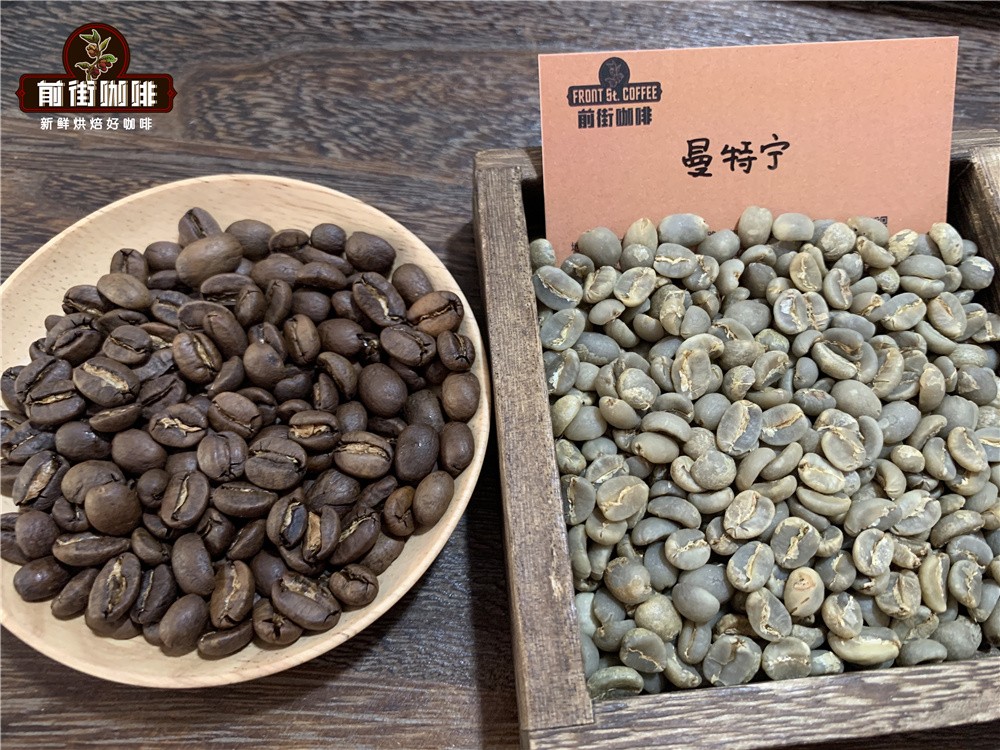
One of the most familiar characteristics of Sumatran coffee is its distinctive appearance—a matte, jade-like color, usually with little silverskin remaining. This is no accident; it is thanks to the region's unique wet-hulling process (Giling Basah). Unlike most producing regions, Sumatran coffee has its outer parchment layer removed early, while the green bean still has a moisture content as high as 20%–40%, and the exposed green beans are then dried directly. This method gives the coffee its distinctive full body and complex aromas, including earthy notes, herbal notes, woody tones, and occasionally a hint of vegetal freshness.
The Jade Dragon coffee described in this article is the highest grade in the region's classification and uses a "triple selection" process, meaning that before processing, the coffee cherries have already undergone three careful rounds of defect sorting to ensure the final green beans are pure and consistent—the best of the best. It is worth noting that up to 86% of this lot's green beans failed to pass the 19-screen standard, indicating that the beans are smaller in size but concentrated in density, which is also one of the common characteristics of Sumatran coffee.
In addition to its strict selection process, Jade Dragon coffee is also representative in its physical characteristics: moisture content and water activity are generally high, while bean density is relatively low. Together these factors affect its roasting performance and extraction method. For coffee lovers, understanding these characteristics helps make more precise adjustments during brewing, such as appropriately extending the bloom time or adjusting the grind size to optimize flavor release.
Wet hulling is the signature processing method of specialty coffee in Indonesia, especially in Sumatra. Its core is removing the parchment layer early so that the coffee beans begin drying while they still contain a certain amount of moisture. This practice not only speeds up drying but also creates a unique fermentation environment during drying, resulting in the full body and complex layers unique to Sumatran coffee. Although this method may reduce bean density, it creates an inimitable regional flavor.
Overall, Sumatra Jade Dragon coffee, with its strict sorting process, unique geographical environment, and signature wet-hulling process, is an excellent choice for coffee lovers exploring the terroir of Indonesian coffee. Whether brewed as pour-over or experienced as a dark roast, it offers a taste journey full of earthy and spicy aromas. Understanding its origin background and processing method will help you better appreciate the story and craftsmanship behind every cup.


