Guatemala Antigua Flor de Cafe: Name Origins and Pour-Over Flavor
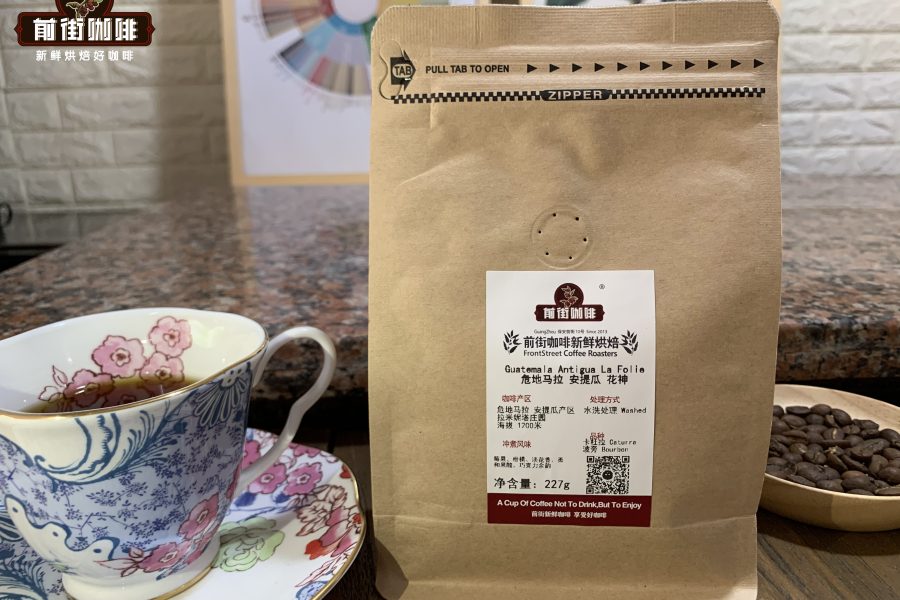
Introduction: Have you ever wondered where the name Flor de Cafe comes from? This specialty coffee from Guatemala's Antigua region shares its name with a legendary Paris café, yet it carries the distinctive terroir of Central American volcanoes. This article reveals the cultural connections behind the Flor de Cafe name, explains its growing environment and processing characteristics, and offers professional-grade pour-over parameters, giving you an in-depth look at this coffee bean known for its clean floral and fruity character.
When 'Café de Flore' is mentioned, most people first think of the Café de Flore on the Left Bank of Paris, where existentialist philosophy was born, or Caffe Florian, the oldest café in Venice. These European cafés are famous for having gathered writers and artists, and their names all derive from Flora, the Roman goddess of flowers. But the Guatemala Flor de Cafe discussed today, though it shares the same romantic imagery, has a completely different origin story.
It should be specially noted that 'Flor de Cafe' here does not refer to a coffee variety (such as Typica or Geisha), a specific estate (such as Hacienda La Esmeralda), nor the name of a processing plant. More precisely, it is a brand name used jointly by Guatemala's Las Pastores processing plant and Bella Carmona estate—a naming approach similar to the 'estate selection' concept in the wine world.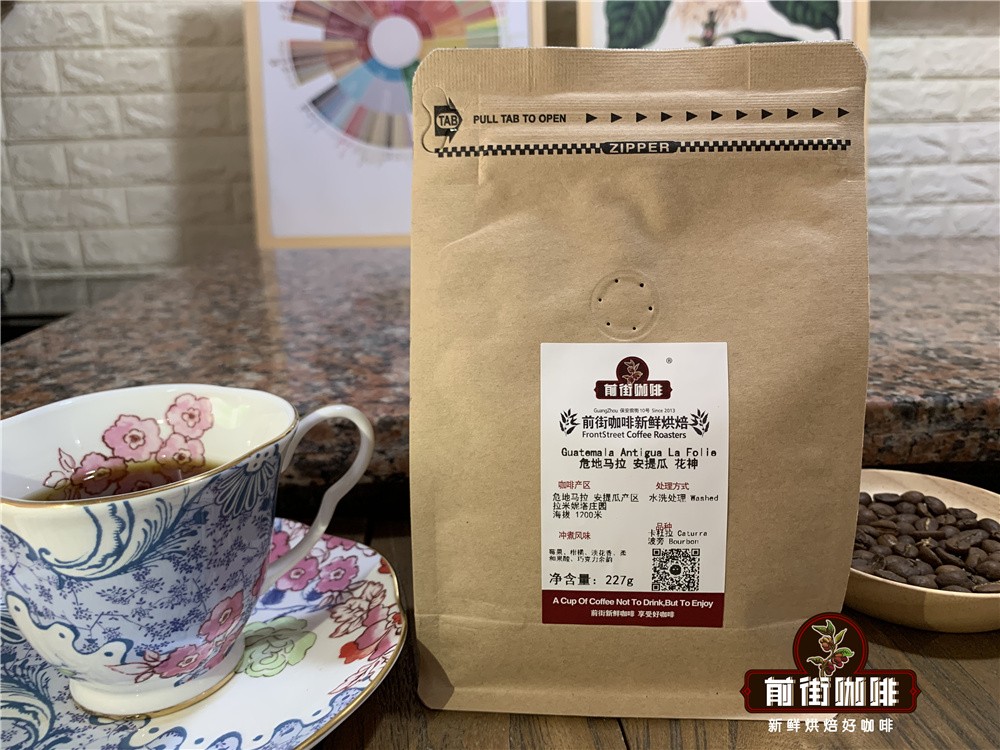
Both flagship coffees under this brand come from the core volcanic belt of the Antigua region, at elevations of 1500-1700 meters. This area is known for its significant day-night temperature difference (daytime maximum 28°C/nighttime minimum 16°C) and volcanic soil rich in minerals (potassium content 30% higher than ordinary red soil), which creates the characteristic of coffee cherries ripening slowly while accumulating sufficient sugars. Local growers generally use shade cultivation techniques, planting tall trees such as ice cream bean to shade the coffee trees from intense afternoon sunlight, allowing the acidity of the coffee cherries to develop more delicately.
In terms of flavor characteristics, this Flor de Cafe coffee perfectly echoes the meaning of its name: the dry aroma presents distinct white floral notes (similar to a blend of gardenia and orange blossom), developing citrus fruit notes after brewing (led by grapefruit), with a honey-like sweetness in the middle and a full-bodied, black-tea-like body. Professional cupping data shows its acidity is stable in the pH 5.2-5.4 range, with a body score of 8.2/10, typical of the Central American style of 'bright acidity + clean finish.'
For home brewing enthusiasts, the following parameters are recommended to highlight its flavor layers: grind size like fine granulated sugar (about 70% passing a No. 20 sieve), water temperature controlled in the 91-93°C range, and a coffee-to-water ratio of 1:15-1:16. For pour-over, a staged extraction method is recommended—first pour 30ml of hot water and let it bloom for 30 seconds, then pour in circles to 125ml in stages (about 45 seconds of extraction at this point), and finally continue pouring to 225ml to complete the brew (total time controlled at 2 minutes 10 seconds to 2 minutes 30 seconds). Take special care to avoid excessively prolonging the extraction time, otherwise the citrus notes can easily turn sharp and sour.
It is worth mentioning that the microclimate of the Antigua region has a profound impact on coffee quality. This area lies in a basin surrounded by three active volcanoes (Agua, Fuego, and Pacaya), where the alternating effects of annual rainy season (May-October) showers and dry season (November-April) dry air create a unique 'wet-dry cycle' effect. This environment prompts coffee tree roots to reach deep underground in search of water, thereby accumulating more flavor compounds. In addition, local processing plants generally use a modified version of the traditional honey process, drying the beans in their parchment after removing part of the mucilage layer (usually lasting 18-22 days), which preserves moderate sweetness while ensuring fermentation risk remains controllable.


