Salvadoran Pacas and Pacamara Coffee: Regions, Altitude, and Flavor
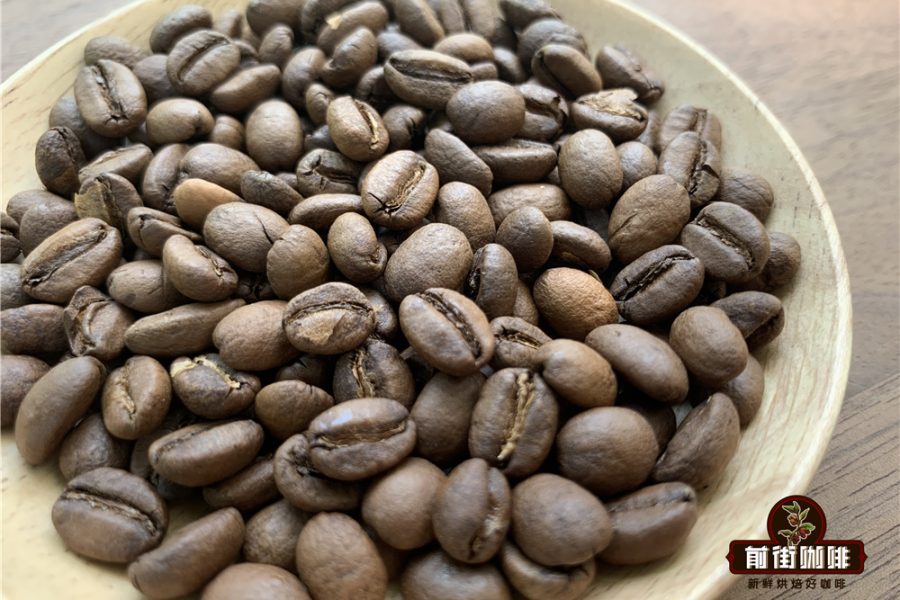
Introduction: Want to learn about the flavor characteristics and regional differences of Salvadoran specialty coffee varieties Pacas and Pacamara? This article details how these two well-known varieties perform uniquely across regions at different altitudes, including flavor profiles, growing environments, and optimal extraction recommendations, to help you more precisely select and brew the coffee beans you love.
Coffee cultivation in El Salvador dates back to the mid-18th century, when the country initially relied on indigo plants as its main cash crop. However, with the rise of chemical dyes, demand for indigo plummeted, and farmers gradually turned to coffee cultivation. By 1850, El Salvador had become the world's fourth-largest coffee producer, and in 1930, coffee exports accounted for fully ninety percent of the nation's total exports, demonstrating the importance of the coffee industry to the country's economy.
Salvadoran coffee is known for its full-bodied mouthfeel and rich sweetness, with flavors that are relatively concentrated, often featuring bright acidity and soft earthy notes. Its flavor expression is diverse, encompassing fresh, uplifting aromas such as citrus, jasmine, and berries, as well as deeper, more subdued notes like pepper, herbs, and turmeric. Among these, the Pacamara variety tends toward a generally refreshing style, with bright acidity and prominent sweetness, making it very suitable for coffee lovers who enjoy fruity acidity and a clean finish.

Salvadoran coffee is mainly grown in fertile volcanic soil areas at altitudes between 500 and 2,300 meters, and these highlands give the coffee its unique regional flavors. Overall, coffees here often display creamy aromas, toffee sweetness, and rich nutty and cocoa tones, with some regions offering sweet lingering notes of ripe fruit. Acidity is balanced, sweetness is harmonious, and the overall profile is mild and pleasant, suited to coffee lovers seeking balance and rich layers.
In the west and western highlands, at altitudes between 1,000 and 2,365 meters, lies one of El Salvador's largest coffee-producing regions, romantically called "River in the Wind" in the local language, symbolizing the fine coffee nurtured by mountain breezes and rivers. Coffees from this region often carry tropical fruit aromas such as pineapple and mango, sometimes with a faint hint of red wine, with pure, bright acidity and a flavor close to classic Yirgacheffe, suited to pour-over enthusiasts who enjoy fresh fruity acidity and floral-fruity notes.
The northwestern region, at altitudes of about 1,000 to 2,000 meters, receives very high evaluations, with citrus-like mildly acidic ripe fruit flavors as the main axis, paired with the rich texture of caramel and cocoa, while also showing prominent floral aromas. The overall flavor is complex and layered, suited to extraction methods that combine richness and fruitiness, such as medium-dark roast pour-over or French press.
The southwestern highlands, at altitudes of about 500 to 1,960 meters, are known for creamy, nutty, and caramel flavors, with a silky, rich mouthfeel and a full, aromatic body. The overall style resembles Brazilian coffee, suited to drinkers who prefer low acidity, prominent sweetness, and a full body; medium-dark roasting is recommended to bring out its nutty-chocolate tones.
Located between San Miguel and Morazán provinces in the northeast, at altitudes of about 500 to 1,663 meters, coffees from this area often have a sweet, juice-like entry that gradually reveals nutty and almond aromas. The flavor is fresh and natural, suited to those who enjoy a light mouthfeel and nutty tones; medium-light roasting is recommended for pour-over to preserve more of the original flavors.
Another northwestern region, at altitudes of about 900 to 1,500 meters, is known for rich berry fruitiness and extreme milk-candy sweetness, with a dense, creamy mouthfeel and distinct layers, very suitable for consumers who enjoy prominent sweetness and vivid fruit flavors. When brewing, it is recommended to keep the water temperature at 90-92°C to highlight the balance of its sweet aroma and fruity acidity.
The central zone, at altitudes of about 500 to 1,000 meters, features flavors dominated by the sweet aromas of sweet orange and nutty cocoa, with a mild mouthfeel. It is suitable for daily drinking and is often used as a base bean in blends, with high consistency and approachable flavors.
Finally, in the southeast, including San Miguel city and the area between the Lempa and Grande rivers, at altitudes of about 500 to 1,000 meters, the coffee features ripe fruit flavors such as apple and cantaloupe, with rich floral aromas and complex layers, and a smooth mouthfeel. It is an excellent choice for flavor lovers who enjoy the combination of fruity and floral notes; medium-light to medium roasting is recommended to bring out its rich tropical fruit tones.


