Colombia Cauca Popayán Supremo Coffee Beans: Grading Standards and Pour-Over Flavor Guide
Introduction: An in-depth analysis of the grading logic and flavor profile of top-grade Supremo coffee beans from Colombia's Cauca Popayán region. This article explains the 17/18 screen large-bean selection criteria, reveals how family farmers preserve flavor through micro-processing equipment, and provides a complete practical guide from roast level selection to pour-over parameters to help you unlock this specialty bean with its pronounced medium-dark roast caramel sweetness.
As one of the few countries in the world focused exclusively on washed Arabica coffee, Colombia has cultivated numerous coffee regions with distinct regional characteristics thanks to its unique geographical microclimates. Among them, Popayán in southern Cauca, with its high-mountain environment at 1,700–2,100 meters and volcanic soil, produces the country's highest-grade Supremo specification coffee beans.
It should be specially noted that Colombia's Supremo grading system addresses only the physical characteristics of green beans: large beans passing 17 and 18 screen meshes (8.0–8.7 mm diameter), formed after manually removing unripe beans and insufficiently dense defective beans. This differs fundamentally from the flavor ratings common in the market—the same coffee tree may simultaneously produce Supremo and smaller-mesh (15/16) Excelso grade beans, the latter unable to enter the top tier due to size limitations.
Supremo coffee beans from Popayán family farms represent the micro-production model of Colombian specialty coffee: each grower cultivates on average less than 2 hectares (about 4.9 acres) of sloped land, using traditional shade-growing methods to protect the healthy growth of coffee trees. After harvest, the fresh cherries undergo refined processing through their own micro-pulping machines, with producers controlling the entire process of demucilaging, temperature-controlled fermentation (usually 18–24 hours), and raised-bed drying (thickness ≤5 cm). This fully participatory model maximally preserves the terroir characteristics of the region.
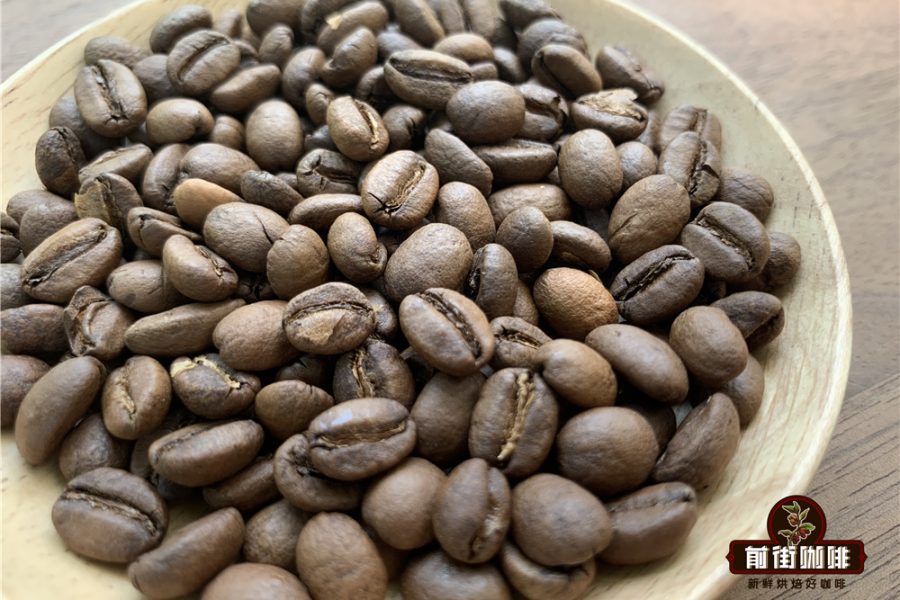
Professional cupping has verified that Supremo coffee beans from this region show their best flavor balance at medium-dark roast (recommended roast level: the transition range between Full City and City+). At this point, caramelization reactions fully activate the black chocolate base and roasted nut aromas, while the moderately retained acidity (mainly bright berry-like acidity) and full body form a layered taste experience. Particularly noteworthy is that its clean finish derives from strict grading and selection—beans that are too small often bring woody off-flavors or astringency.
For home brewing enthusiasts, the following parameters are recommended to unlock their potential: for the V60 dripper, a coffee-to-water ratio of 1:15 is suggested, using a three-pour method at 92–94°C water temperature (first pour to 1/3 capacity and bloom for 30 seconds, then continue pouring in stages for a total time of 2 minutes 10 seconds). If you prefer more pronounced sweetness, try a French press with a coarse grind (China standard 4–5 setting), steep for 4 minutes with 93°C water and then press, which can enhance the caramel and toffee finish flavors.
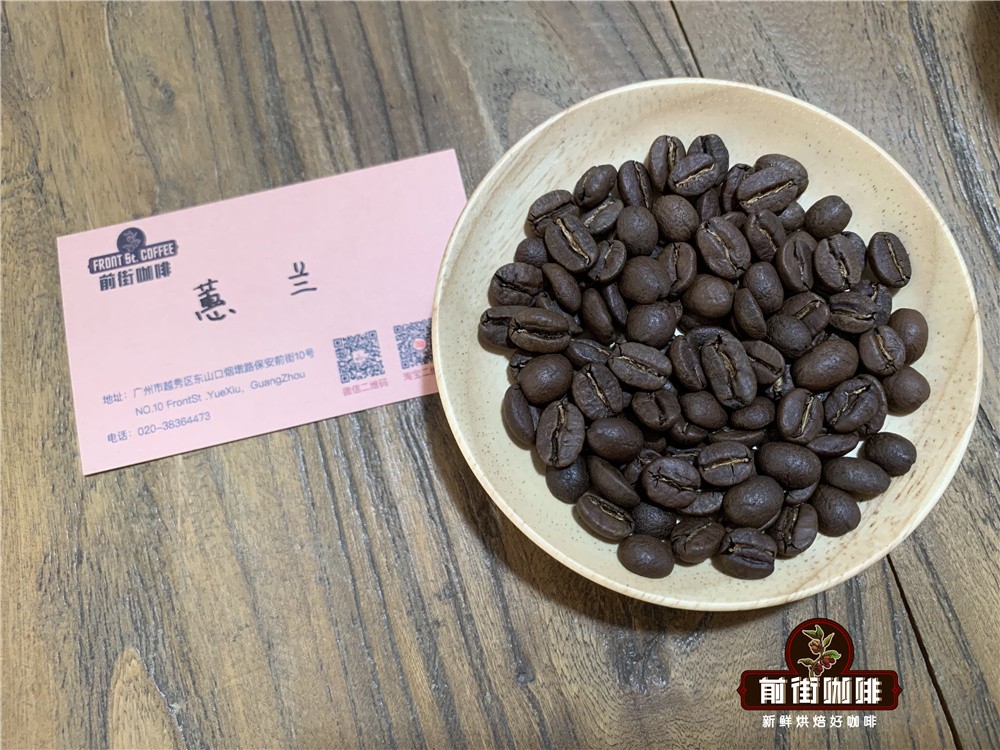
When purchasing, note two key indicators: first, confirm that the green bean packaging is labeled with "Cauca" origin information and 17/18 screen mesh specification; second, observe the appearance of the roasted beans—high-quality Supremo should show an evenly distributed dark brown color with no local scorch marks or white spots (characteristics of residual unripe beans). For first-time tasters, it is recommended to start with small-package samples to compare the interpretation styles of different roasters.


