Ethiopian Sidamo Washed Coffee: Flavor Analysis and Pour-Over Tips
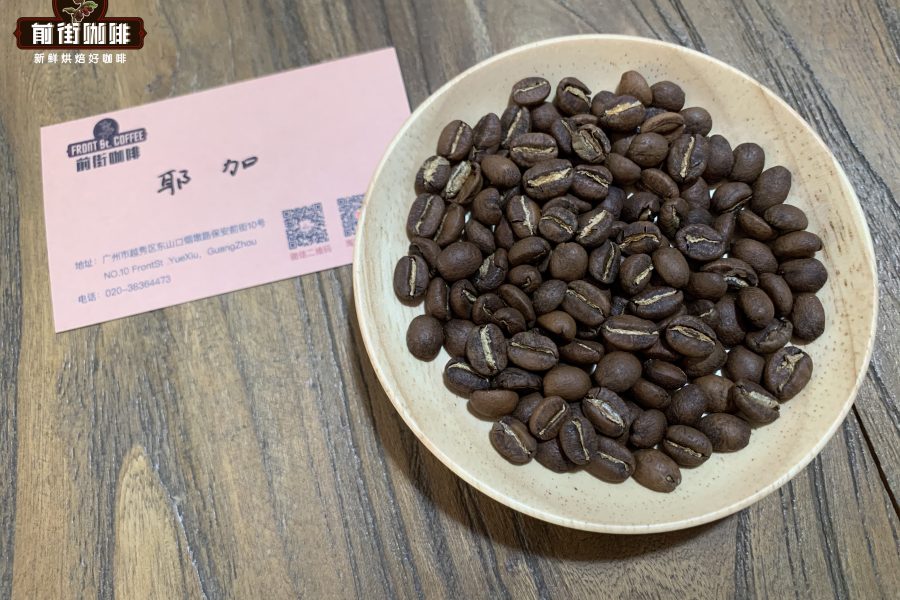
Introduction: Washed coffees from Ethiopia's Sidamo region are known for their delicate floral aromas and bright acidity, making them a must-try for specialty coffee lovers worldwide. This article takes an in-depth look at their unique processing methods, flavor characteristics and brewing parameters to help you better appreciate this classic African coffee, and offers professional-level flavor descriptions and a buying guide.
In the minds of coffee lovers, Ethiopia has always held a special place. This African country, known as the "birthplace of coffee," not only nurtured the world's earliest Arabica coffee varieties but also, through its varied terroir, created countless stunning coffee flavors. Among them, washed coffees from the Sidamo region, with their elegant and balanced character, have become a "benchmark bean" in the minds of many baristas.
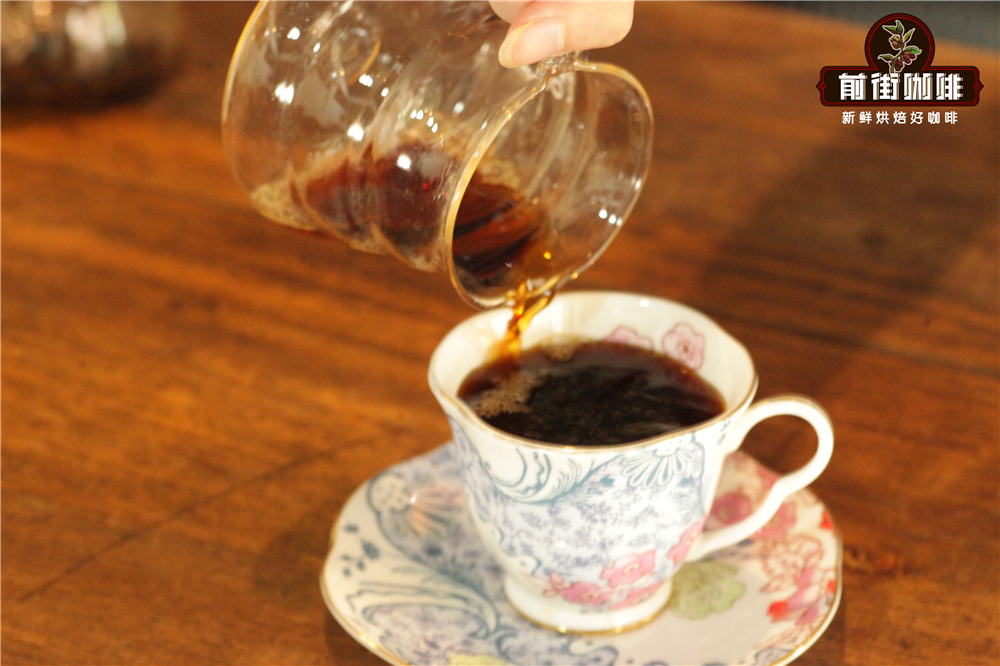
As Africa's largest coffee producer, Ethiopia's coffee output had already reached 384,000 tons by 2016. Notably, the Arabica coffee it produces accounts for an extremely high share of the global specialty coffee market, with annual coffee exports making up more than 28% of the country's total foreign trade. Most of this coffee comes from the three major regions of Sidamo, Harar and Kaffa. Among them, the Sidamo region, thanks to its exceptional altitude (1,400-2,200 meters) and fertile volcanic soil, cultivates washed coffees with irreplaceable quality characteristics.
The processing of washed Sidamo coffee is extremely meticulous. Local farms usually use the traditional washed method: carefully selected ripe coffee cherries are first pulped, then fermented in fermentation tanks at controlled temperatures for 12-36 hours, and finally rinsed several times with clean water and dried on raised drying beds. This refined processing preserves the pure flavor of the coffee beans to the greatest extent while giving them their signature bright acidity.
The variety composition of coffee in this region is quite distinctive. For historical reasons, the Ethiopian government deliberately protects its native coffee gene pool, and most exported coffee is collectively referred to as "Ethiopian heirloom." These coffees are in fact a mix of many ancient varieties, possibly including classic varieties such as SL28, SL38 and Typica, and may even contain small amounts of precious varieties such as Geisha. This unique variety combination creates the complex, ever-changing aromatic layers of Sidamo coffee.
In terms of flavor, high-quality washed Sidamo coffee usually shows a very high degree of refinement. Obvious jasmine and white floral notes can be detected in the dry aroma, and after brewing it develops the fresh acidity of citrus fruits (such as lemon and orange), accompanied by a black-tea-like full body. In the mid-palate, subtle sweetness of berries such as blueberries and grapes can often be tasted, while the finish leaves a lasting bergamot and honey aftertaste. The overall flavor layers are distinct, with excellent balance of acidity, sweetness and bitterness.
For coffee lovers, brewing washed Sidamo beans requires attention to a few key parameters: a medium-fine grind (similar to granulated sugar) is recommended, with a coffee-to-water ratio of 1:15 to 1:16. For pour-over, a water temperature of 90-92°C is ideal, using a staged extraction (first pour to wet the grounds and bloom for 30 seconds, then pour slowly in 2-3 stages to complete the extraction). These parameter settings can fully bring out its bright citrus acidity and elegant floral characteristics.
It should be noted that because Sidamo coffee has fairly bright acidity, using too high a water temperature or too coarse a grind is not recommended, as this can easily lead to a sharp, sour taste. At the same time, this coffee also pairs distinctively with milk and is suitable as a base for specialty lattes, as its floral characteristics create a wonderful synergy with milk.
Overall, washed Ethiopian Sidamo coffee represents the typical traits of African coffee—complex yet elegant, lively without being erratic. Whether as an everyday staple bean or for single-origin tasting, it delivers an unforgettable coffee experience. For enthusiasts who want to deeply understand the terroir characteristics of specialty coffee, this is definitely a classic bean worth exploring in depth.


