Kenya Coffee Explained: History, AB-Grade Flavor and Pour-Over Tips
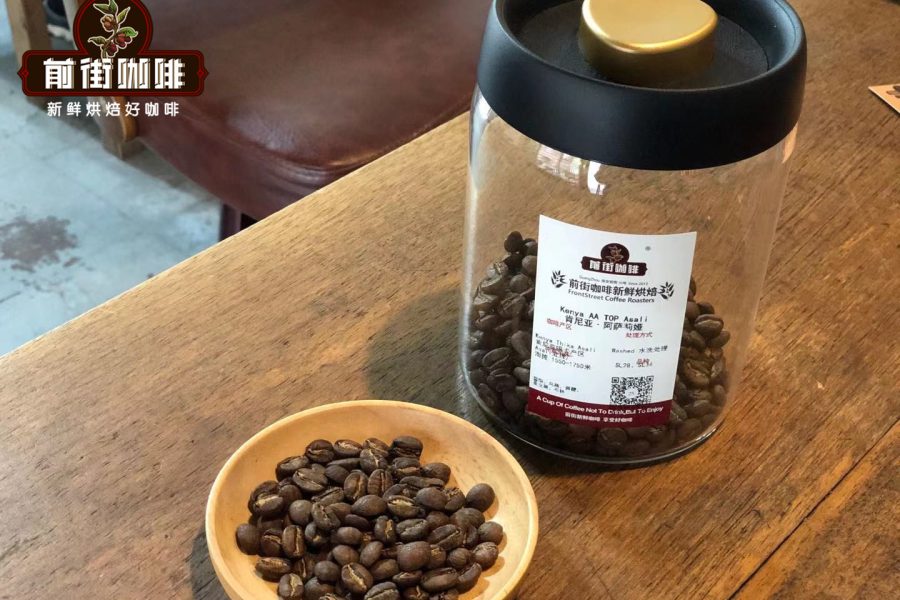
Introduction: Kenya coffee is known worldwide for its bright fruit acidity and complex layers, and its unique auction system and specialty grading system are key to quality assurance. This article takes you through the development of Kenyan coffee from the colonial period to the modern day, analyzes in depth the flavor differences between AA and B-grade beans, and provides professional-level flavor descriptions and brewing reference parameters to help you precisely choose the Kenyan specialty coffee you desire.
In today's specialty coffee landscape, Kenyan coffee has always held a special place. This East African country, once dominated by black tea consumption, has cultivated world-class quality through a unique industry model since coffee was introduced in the early 20th century. Particularly noteworthy is that its coffee system is supported by technologically leading research institutions, employs refined washed processing techniques, and relies on an efficient network of smallholder cooperatives, ultimately forming an export system centered on public auctions.
Among these, the most revolutionary is the government-led weekly auction system—buyers must obtain specific lots of coffee through public bidding, and the entire process is strictly supervised.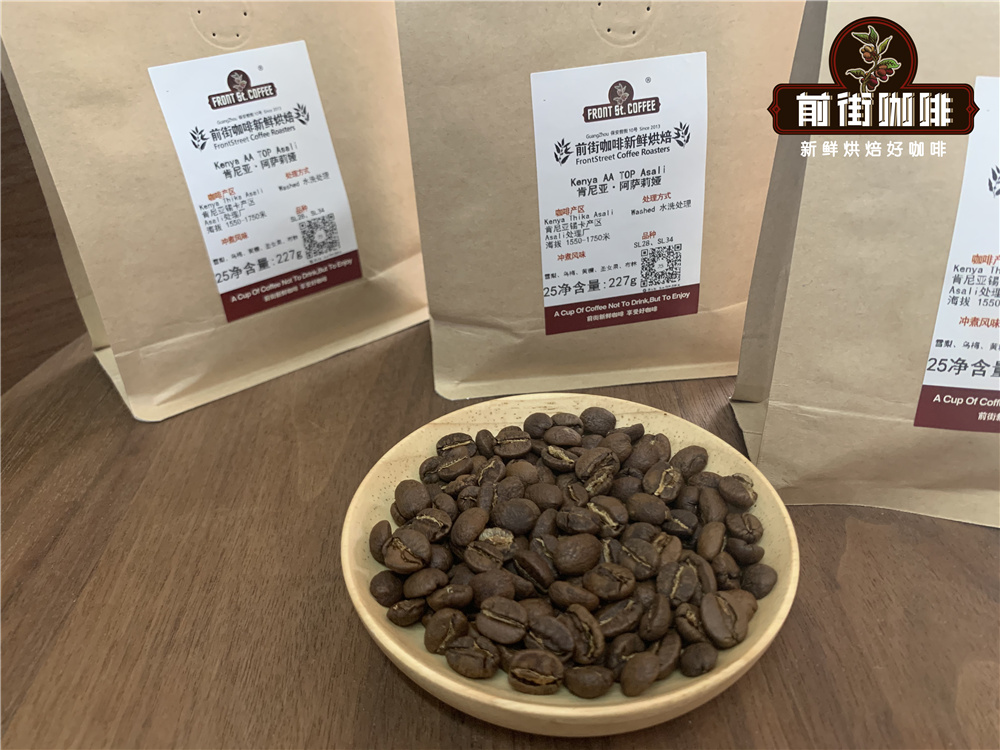 All samples up for auction are provided to licensed exporters for professional cupping, and this transparent mechanism ensures a direct link between quality and price, effectively eliminating backroom dealings in the industry.
The geographical environment gives Kenyan coffee a natural advantage: the main producing areas are distributed along the western slopes of Mount Kenya, extending south to the area around the capital, Nairobi, with a small amount also grown in the Elgon mountain region bordering Uganda to the east. These highland areas above 1,700 meters in elevation (some growing areas even reach 2,000 meters), combined with the mineral composition unique to volcanic soil, create the signature bright acidity and full finish of Kenyan coffee.
In the quality grading system, bean screen size is an important indicator: AA grade (18 screen and above) usually has the fullest bean structure and rich flavor layers, A grade (16-17 screen) comes next, while B grade (around 15 screen), although smaller in size, often has a unique fermented aroma. Professional buyers pay special attention to AA-grade beans from the central producing areas (often mistakenly called "Nairobi coffee"); these coffees often display distinct red fruit notes such as blackcurrant and grapefruit.
In terms of flavor characteristics, top Kenyan coffees generally possess:
• Bright citrus acidity (similar to blood orange or lemon peel)
• Intense blackberry/red wine aroma
• A sweet base of brown sugar or caramel
• A silky, full body
• A long-lasting finish of black tea or jasmine
For pour-over enthusiasts, the following parameters are recommended to explore its potential:
- Grind: medium-fine (75% passing through a Chinese standard No. 20 sieve)
- Water temperature: 92-94°C (adjust according to roast level)
- Coffee-to-water ratio: 1:15 to 1:16
- Brewing method: staged extraction (recommended 30-second bloom, then pour to 125 ml, and continue to a total of 225 ml)
When buying, note that products labeled "Kenya AA" may contain blended beans from different producing areas. If you are after specific flavor characteristics, prioritize single-origin beans labeled with detailed processing station information (such as well-known stations like Gikanda and Karogoto). For storage, keep the original packaging's degassing valve intact and place it in a cool, dark place; the optimal drinking window is usually 2-4 weeks after roasting.


