Aged Mandheling Processing and Tasting Guide
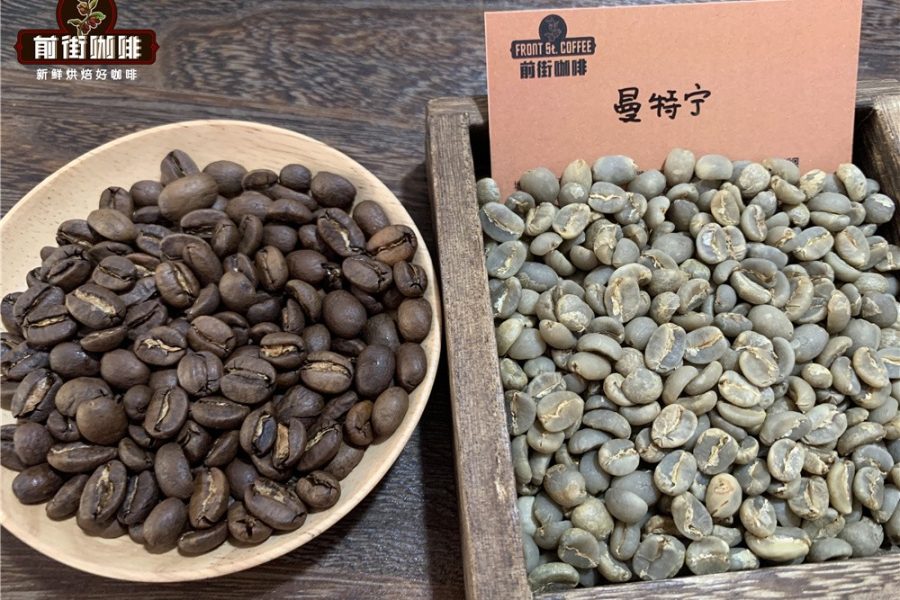
Introduction: A deep dive into the unique processing of top-grade aged Mandheling from Sumatra, from three-year cellar aging to dark roast presentation, showing how this precious coffee transforms over time into complex flavors where leather, spice and syrup intertwine. Master professional-level tasting points and unlock a deeper experience of this niche specialty coffee.
Top-grade Grade 1 Mandheling coffee from the Indonesian island of Sumatra, with its rich, full body, exotic character and very low acidity, has become a scarce category sought after by coffee lovers. These coffee beans, carefully aged for three years, develop layered flavors through dark roasting; although production is scarce and the price high, they can deliver a revelatory taste impact for experienced coffee drinkers.
The essence of aging lies in flavor purification rather than creation—only low-acidity coffee beans are suitable for long-term cellaring. High-acid coffee, even with perfect processing, will only end up flat and worthless. Sumatra coffee is naturally low in acidity, and after three years of maturation in a monsoon environment it can develop its signature syrupy texture and unique flavor layers.
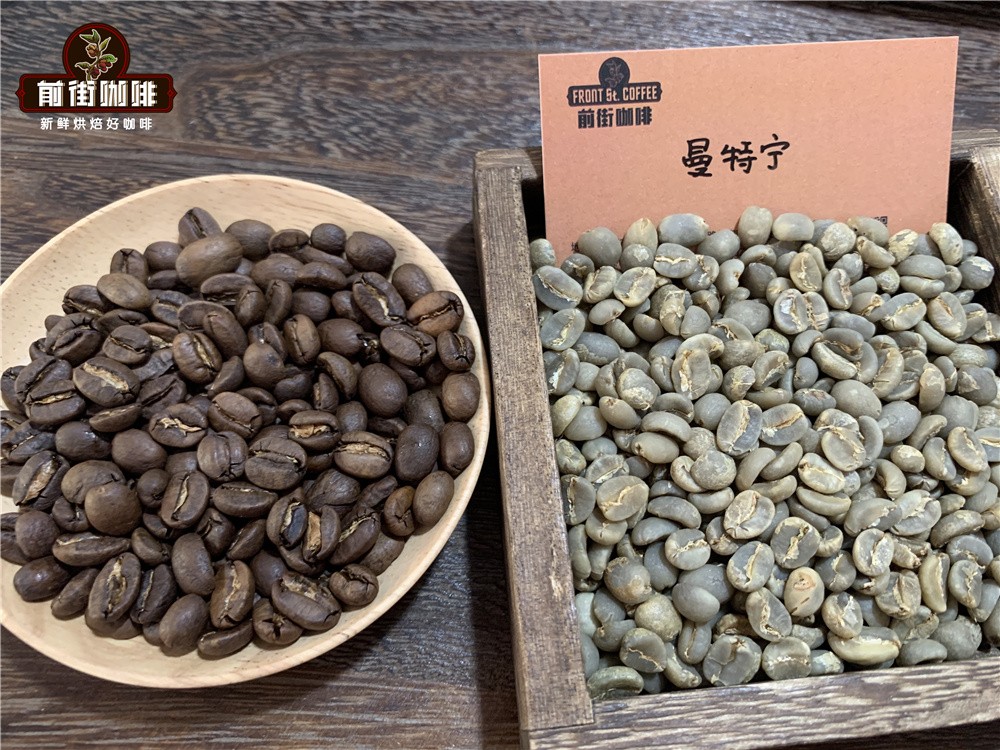
Green bean aging must be completed in a tropical monsoon climate: absorbing a moderate amount of moisture in the rainy season and naturally re-drying in the dry season, always maintaining a moderate moisture content. This special environment prompts Sumatra coffee to develop a full, wine-like body while highlighting spice and dried-fruit flavor compounds. Professional advice: home storage of aged beans should simulate similar temperature and humidity conditions (temperature 20-25°C, humidity 60-70%), but ordinary consumers are better advised to buy old beans directly from professional estates.
Aged coffee beans need a longer resting period than regular beans (14-21 days of rest after roasting is recommended), and dark roasting better showcases their full body. Note that flavor acceptance for this kind of coffee is polarized—first-time tasters may be shocked by the strong salty, woody and peppery notes, but then perceive the balancing finish reminiscent of rum and raisins.
Professional cupping flavor profile: dry aroma presents a blend of leather and caramel, while wet aroma gives off earthy fragrance and spicy raisin notes. On the palate, the heaviness characteristic of dark roast is captured first, accompanied by woody tones, syrupy sweetness and a hint of peppery spice, and in the finish a unique rum character and raisin sweetness emerge. This tenfold-concentrated version of Sumatra flavor is highly challenging to the palate, yet brings the ultimate pleasure of in-depth tasting.
From a brewing perspective, aged Mandheling is an excellent choice for both pour-over and espresso. Recommended pour-over parameters: medium-coarse grind (70% passing a Chinese standard No. 20 sieve), water temperature 90-92°C, coffee-to-water ratio 1:15-1:16; if used for espresso roasting, it is recommended to keep the roast level between Full City+ and French, which perfectly presents its full body and complex finish. Remember, this kind of coffee needs to be given sufficient time for the palate to adapt—after the impact of the first two sips, the hidden delicate layers gradually reveal themselves.


