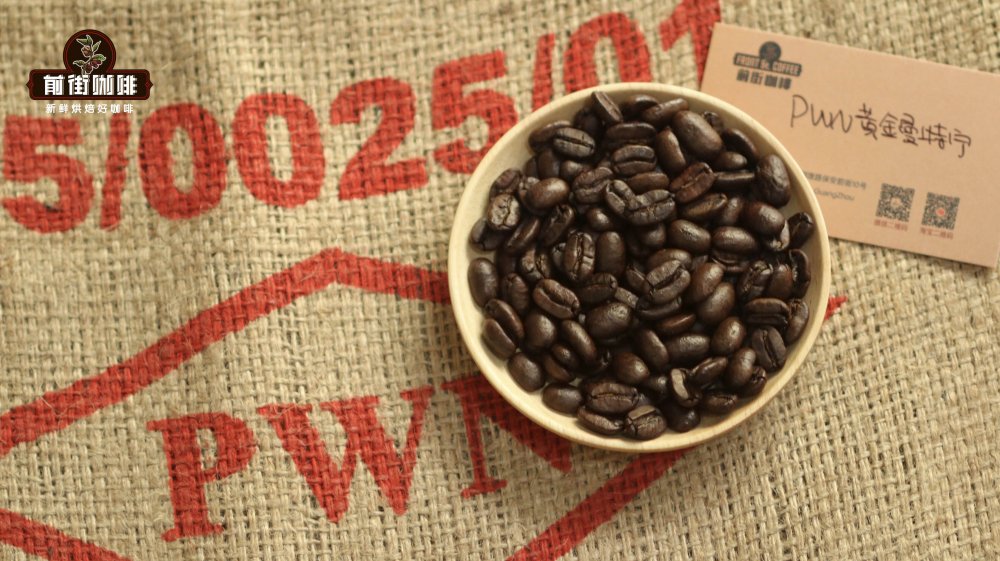
Indonesian Mandheling Coffee Grading Guide: Golden Mandheling vs Regular
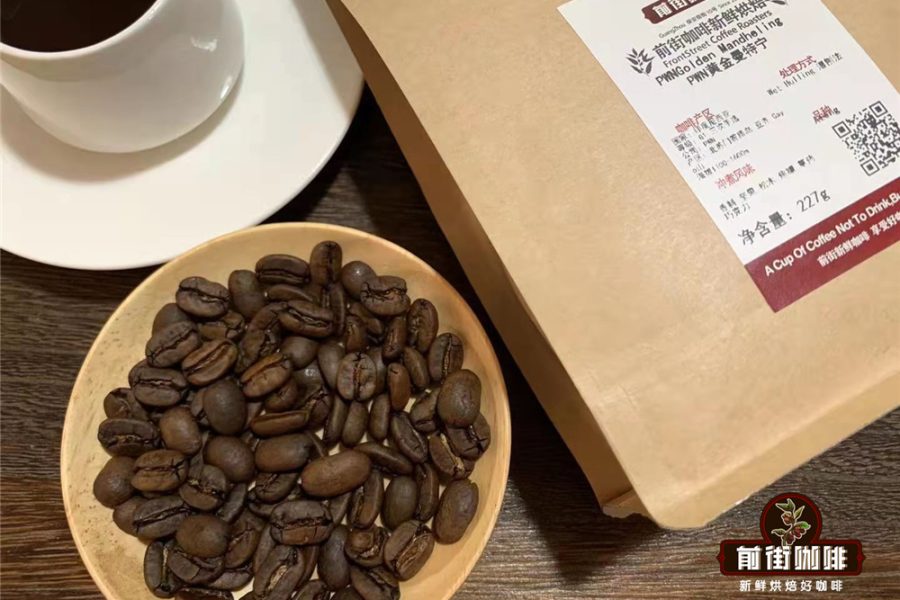
Introduction: Indonesian Mandheling coffee is known for its unique wet-hulling process, but how does Golden Mandheling differ from regular Mandheling? This article explains the characteristics of Sumatra's four major growing regions, the sorting standards for PWN's Golden Mandheling, and the flavor differences between bean grades. It also provides dark-roast pour-over parameters suitable for beginners, helping you find a cost-effective entry-level Mandheling.
In the specialty coffee world, Indonesian Mandheling holds a unique place with its signature herbal and earthy notes. For beginners just getting into pour-over, choosing a bean with a high margin for error and a distinct flavor profile is crucial. This article uses Mandheling from Sumatra's core growing regions as an example to analyze the substantive differences between Golden Mandheling and regular grades.
The three core factors that determine Mandheling's flavor always revolve around the growing environment, coffee variety and processing method. Sumatra, Indonesia's largest island, has a tropical rainforest climate near the equator that suits coffee growing, but only 25% of the island is suitable for growing Arabica, with the rest mostly Robusta that tolerates lower altitudes. Mandheling's main growing regions are concentrated in northern Sumatra, where the three areas of Lintong, Toba Lake and Gayo each have their own characteristics.

Toba Lake, the birthplace of modern Mandheling, established the region's base flavor with the Java Mandheling variety introduced in 1888. By comparison, the smaller Tawar Lake produces limited quantities but has overtaken it in quality in recent years thanks to its high altitude. The Gayo mountain region, which insists on organic farming, is often called "green coffee" and has become a specialty choice in the high-end market.

Indonesia's unique wet-hulling method shapes Mandheling's distinctiveness. This process requires removing the mucilage layer when the green bean is semi-dry at 30%-50% moisture content, which easily causes the unique goat-hoof-shaped cracks on the bean surface (not a defect). Traditional practice involves two removal stages: the first removes the pulp, then the beans are fermented for 3 hours and dried to semi-dry; the second strips the parchment layer and continues drying to a safe moisture content of 12%-13%. The whole process usually takes 2-4 days.

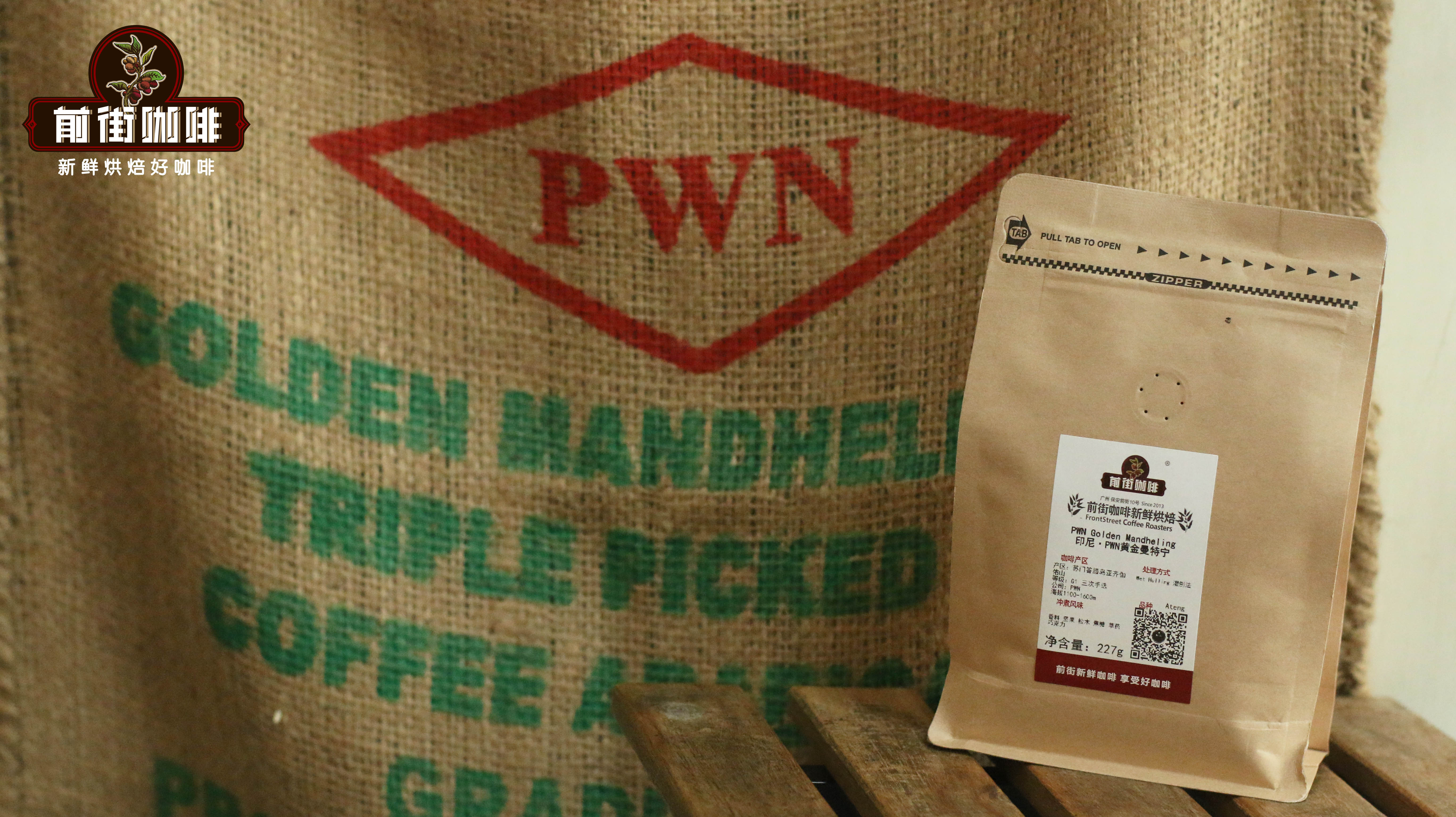
There is a common misconception about Golden Mandheling. Its name comes from the well-known Indonesian buyer PWN, which uses three rounds of hand sorting to select plump, flawless beans from GRADE 1 green beans and registers an exclusive trademark. Consumers can identify genuine products by the "Triple pick" mark on the sack and the certificate of origin issued by PWN. Note that similar products in the Japanese market can only be labeled "Teishang Mandheling" due to trademark restrictions.

Sumatra Mandheling can be divided into three quality tiers by altitude: high grade (1100-1600 m) is common in the Gayo mountain region, with flavors of nuts and caramel; medium grade (800-1100 m) is mostly found around Lintong, with obvious herbal notes; low grade (500-800 m) is concentrated along the shores of Toba Lake, with more pronounced earthy flavors. Professional roasters recommend a medium-dark roast (Agtron 45-55) to balance its inherently rough mouthfeel.

For home pour-over, a V60 dripper with a 1:15 coffee-to-water ratio is recommended, with the grind set so that 70% passes through a Chinese standard No. 20 sieve (roughly equivalent to a Japanese standard No. 22 sieve). For the pouring strategy, use a staged approach: first pour 30 ml of 92°C water and let it bloom for 30 seconds, then pour in circles to 125 ml in stages, and finally complete the extraction with a total of 225 ml within 2 minutes 10 seconds. These parameters effectively highlight Golden Mandheling's creamy aroma and pine notes.

When buying, pay attention to three key indicators: first, confirm the green bean grade marking (GRADE 1 is the highest); second, observe the amount of silver skin residue (quality beans should have less than 3%); and finally, check the roast date (fresh beans within 7-21 days after roasting are recommended). For beginners on a budget, GRADE 2 dark-roast beans are an option; they cost about 60% of Golden Mandheling but still retain basic chocolate and smoky flavor characteristics.

For storage, use an aluminum foil bag with a one-way degassing valve and keep it in a dark place with humidity below 60%. If a white frost-like substance appears on the bean surface (not mold), it is actually carbon dioxide crystals left after roasting and does not affect drinking safety. Regularly using a coffee density meter to check green bean density (quality Mandheling should be above 0.78 g/cm³) can help assess storage condition.

In summary, the value of Golden Mandheling lies not only in PWN's rigorous selection process but also in its stable regional supply chain and standardized processing system. For enthusiasts seeking value, GRADE 1 medium-roast beans from the Lintong region are also a wise choice; their full-bodied taste and affordable price make them better suited to everyday drinking. Remember, a good Mandheling should have a clear sweet finish rather than a one-dimensional bitter punch.