Brazil vs. Mandheling: Coffee Acidity and Sumatran Blend Flavors
Introduction: Want to know which has lower acidity, Brazil or Mandheling coffee? This article explores both classic beans' characteristics, from origin and processing to roast depth. It focuses on the unique flavor of Indonesian Sumatran Mandheling and how blending achieves a low-acid, full-bodied espresso experience, with practical roasting and extraction advice.
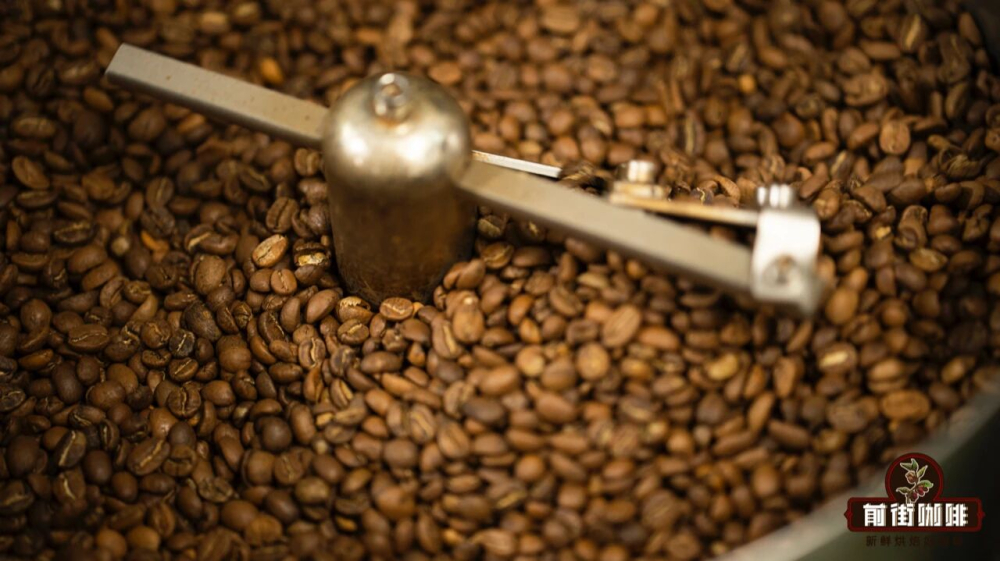
Coffee flavor differences mainly come from four factors: variety, origin, processing method, and roast level. For coffee lovers who prefer low acidity, especially espresso drinkers, choosing the right bean type and roast profile is crucial. Generally, dark roasting decomposes acidic compounds more fully through prolonged high heat, makes bitterness more prominent, and produces rich coffee oils, making it suitable for espresso.
Among major global origins, African coffees often show distinct floral and fruity notes but somewhat less body; American coffees (such as Brazil and Colombia) have good balance with prominent nut and caramel flavors; and Asian coffees, especially beans from Indonesia's Sumatra region, are known for heavy body and herbal and spice notes, with generally low acidity, making them a common choice for low-acid espresso blends.
If the goal is a low-acid espresso blend with balanced aroma, prioritize a combination of American and Asian origins and use a medium-dark roast. This roast level retains some sweetness and nutty notes while suppressing acidity, giving full coffee oils suitable for lattes, Americanos, and other drinks, with a harmonious, non-irritating taste.
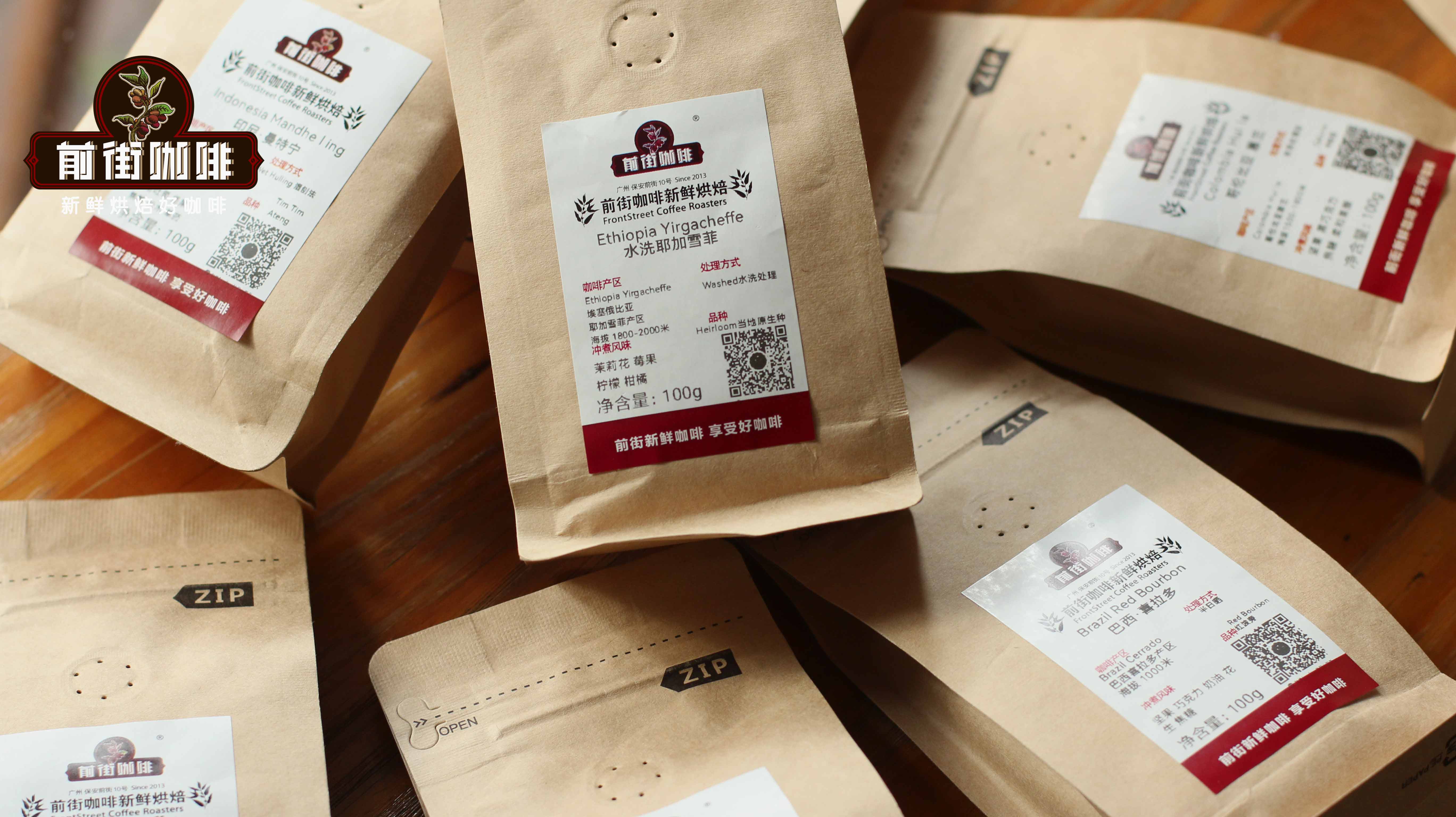
Brazil is the world's largest coffee producer, and its beans hold an important place in the industry. Take Brazil's common Red Bourbon: at a medium roast, it shows slight acidity, a smooth mouthfeel, and nut, peanut, and caramel aromas. These beans are highly stable, suitable for espresso and moka pot extraction, and can also serve as a quality single-origin pour-over, making them a base bean in many blends.
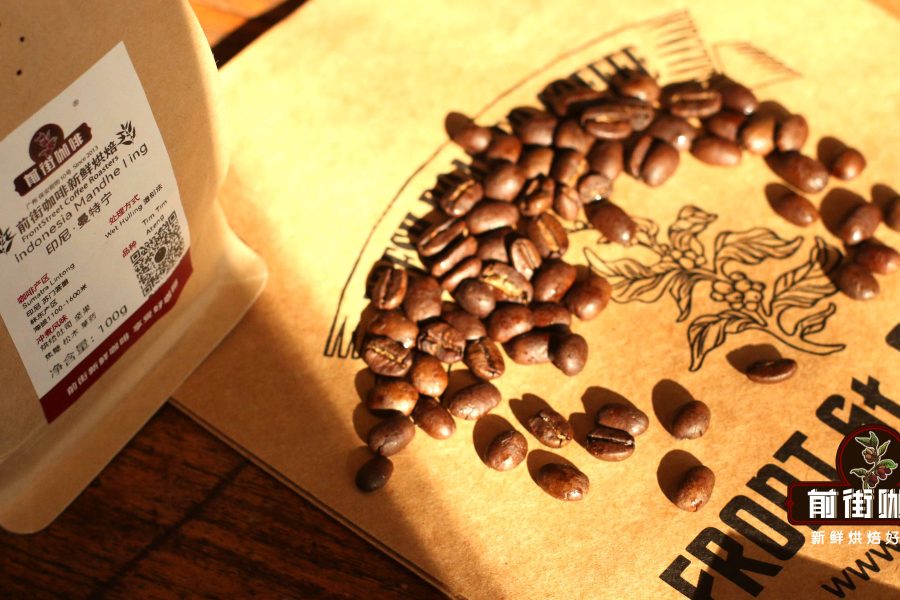
Indonesian Sumatran Mandheling comes from Sumatra island and is known for its distinctive herbal, woody, and spice flavors. The region uses wet-hulling, removing the parchment while beans are semi-dry and exposing them to air to continue fermenting, creating a rich, slightly wild aroma. To highlight this character, Mandheling is usually dark-roasted, yielding a thick, full-bodied cup with low acidity and a long sweet finish, much loved by experienced coffee enthusiasts. These beans suit not only pour-over but also moka pots, espresso machines, and other extraction tools.
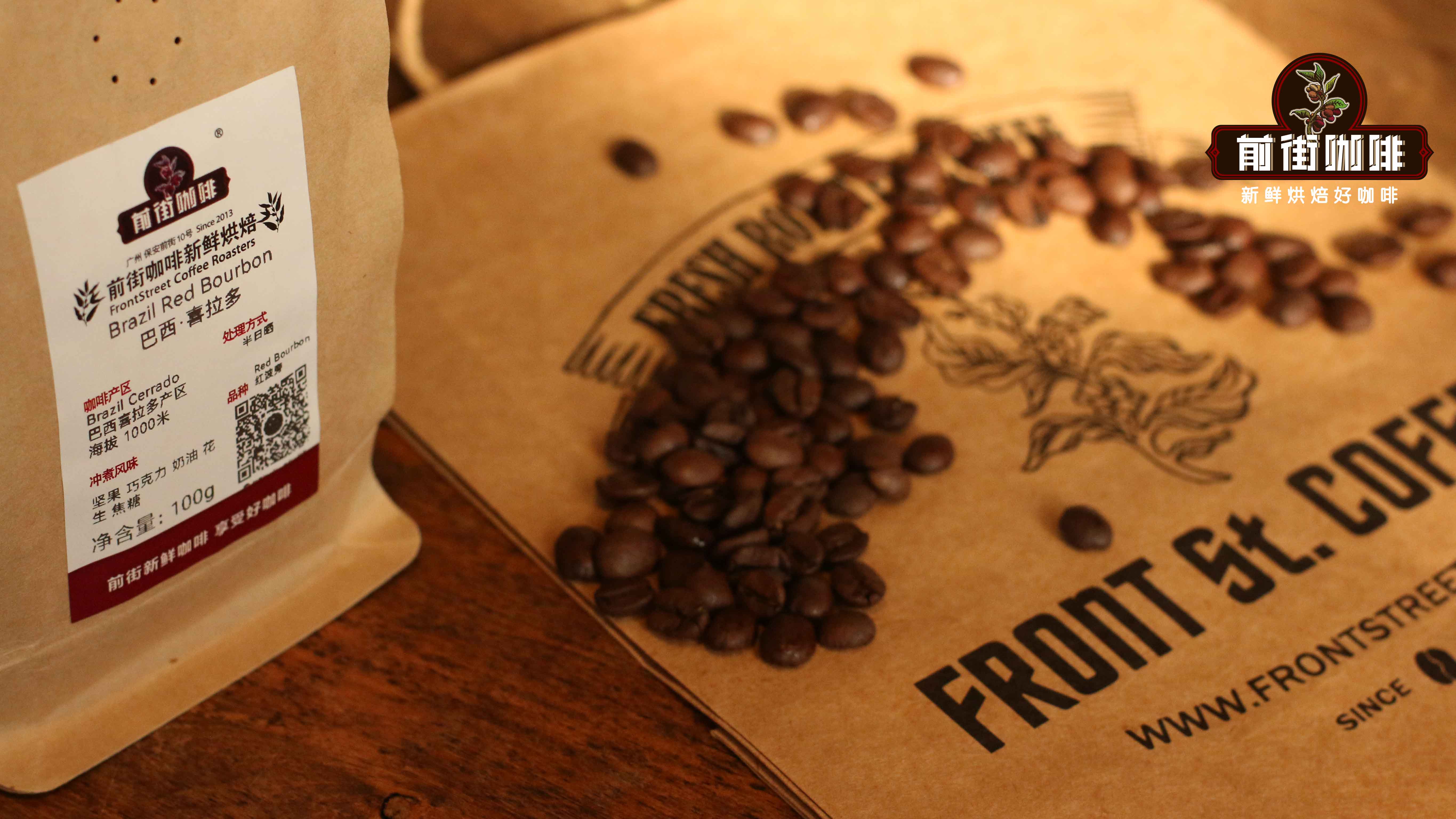
For espresso, bean freshness is equally important. Generally, beans roasted more than 50 days ago show noticeably reduced oil richness and aroma, affecting the final cup's flavor. Therefore, when buying high-quality Mandheling blend beans, choose freshly roasted products to ensure the best flavor experience.
In blend design, combining Brazil beans' balance with Mandheling's full-bodied, low-acid character and adding an appropriate dark roast creates an espresso bean that is both intense and low in acidity. This combination suits classic espresso and provides a stable flavor base for lattes, cappuccinos, and other milk coffees.