Colombia Cauca Finca El Paraiso Cherry Coffee Beans: Double Anaerobic Washed Process and Flavor Analysis
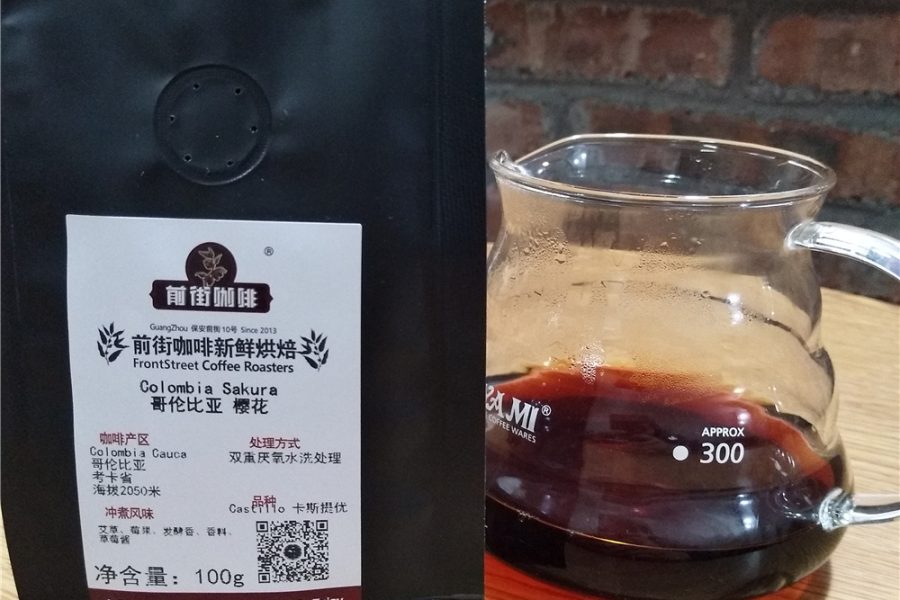
Introduction: These Castillo coffee beans from Finca El Paraiso in Cauca, Colombia, use an innovative double anaerobic washed process, showing distinctive spice tea and citrus notes. We will take an in-depth look at its growing environment, processing method and flavor characteristics, and offer suggested pour-over parameters to help coffee lovers better experience the layering of this high-altitude specialty bean.
Cauca is located in southwestern Colombia. Its special geography—high mountains to the east and the Pacific Ocean to the west—creates a highland microclimate with significant day-night temperature differences. Elevations here generally range between 1,500 and 2,100 meters. The misty growing environment, together with fertile volcanic soil, creates ideal conditions for coffee trees to mature slowly, ultimately producing coffee cherries with bright acidity and a full, balanced body.
Finca El Paraiso was founded in 2008 by coffee farmer Diego Samuel Bermúdez, initially as a family-run plot of only 2.5 hectares. By continually reinvesting profits over the years into research on cultivation techniques, the farm gradually became a benchmark in the specialty coffee field. After winning the regional championship on its first competition entry in 2015, the founder established the agricultural technology company Indestec, focusing on developing innovative processing techniques including double anaerobic fermentation. Its 2018 COE competition tenth-place lot set a historic record for Colombian auction prices.

The farm mainly grows varieties including Bourbon, Laurina, Gesha and Castillo. Among them, the Castillo beans used for the double anaerobic washed process show outstanding aromatic potential in the 2,050-meter growing area. This genetically improved leaf-rust-resistant variety can maintain bright citrus acidity at high altitude while developing rich floral and fruity notes.
The so-called double anaerobic washed process means depulped coffee cherries are subjected to two stages of anaerobic fermentation in sealed containers (usually 24-36 hours each), with temperature strictly controlled at 18-22°C and pH changes monitored. Compared with the traditional washed method, this technique can more fully extract aromatic compounds from the mucilage layer while reducing the risk of over-fermentation. After processing, the green coffee must be shade-dried for 10-14 days to a moisture content of about 11%; this process is crucial to the cleanliness of the final flavor.
The flavor profile of this cherry-themed coffee clearly presents three layers: on the first sip, there are distinct spice tea notes of clove and cinnamon; in the mid-palate, the fresh acidity of citrus fruits emerges (similar to blood orange or honey pomelo); the finish retains moderate body and a faint white floral aroma. We recommend using a V60 dripper at 92-94°C water temperature, with a 1:15 coffee-to-water ratio and a staged pouring method (first pour 30% of the water for a 30-second bloom, then pour in two more stages to finish), which can effectively highlight its distinctly layered flavor characteristics.
For coffee lovers, when tasting specialty beans that have undergone such special processing, pay attention to observing the balance between acidity and sweetness—a high-quality double anaerobic process should present sharp but not harsh acidity that interacts well with a full base. Store in a sealed, light-proof container; the optimal flavor period is usually within 2-4 weeks after roasting.


