Jamaica Blue Mountain Coffee Flavor Decoded: Rare Origin and Pour-Over Guide
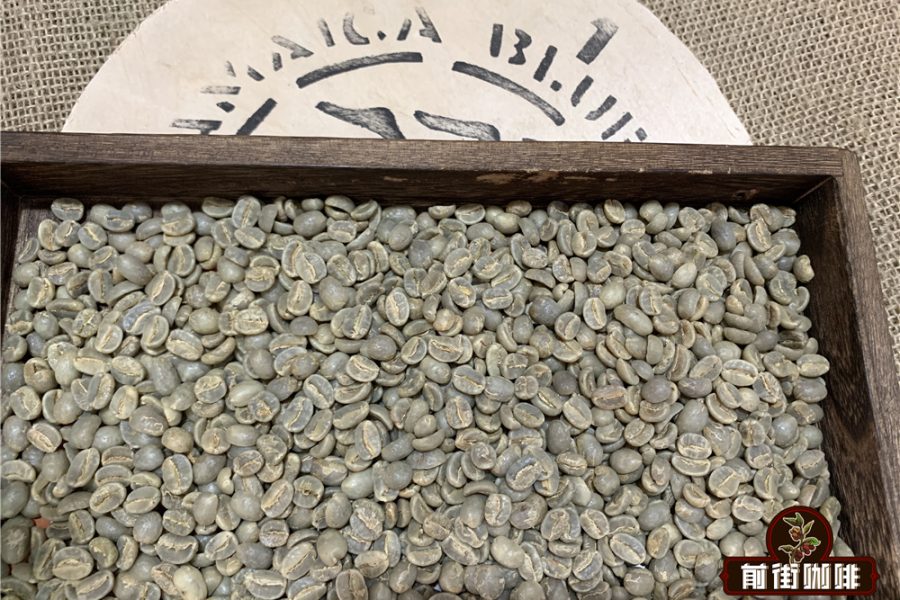
Introduction: Why is Jamaica Blue Mountain coffee hailed as the pinnacle of specialty coffee? Its scarcity—global annual production is less than 40,000 kilograms—the unique flavor cultivated by volcanic soil, and stringent hand-picking standards together create this top-tier coffee bean. This article provides an in-depth analysis of Blue Mountain coffee's growing environment, flavor characteristics, and the reasons for its rarity, along with professional pour-over parameter recommendations to help you truly appreciate its multi-layered elegance.
Ask seasoned coffee enthusiasts about their idea of top-tier coffee, and Jamaica Blue Mountain is almost always mentioned. But what exactly makes this world-renowned coffee so unique? Why does it attract specialty coffee lovers so fervently? And what unknown secrets lie behind its high price and scarcity? Let us unveil the mystery of Blue Mountain coffee through four key dimensions.
The primary reason is its extreme scarcity. Data shows that the Dominican Republic produces an average of 18 billion pounds of coffee annually, while Jamaica's total annual production is less than 40,000 pounds (approximately 18,000 tons versus 18,000 kilograms). Even more striking, Blue Mountain coffee's annual production is only about 40,000 bags (each 60 kilograms), with 80% going directly to the Japanese market. To be able to experience this coffee—which dominates Jamaica's annual export value—at home is considered a stroke of luck for coffee lovers.
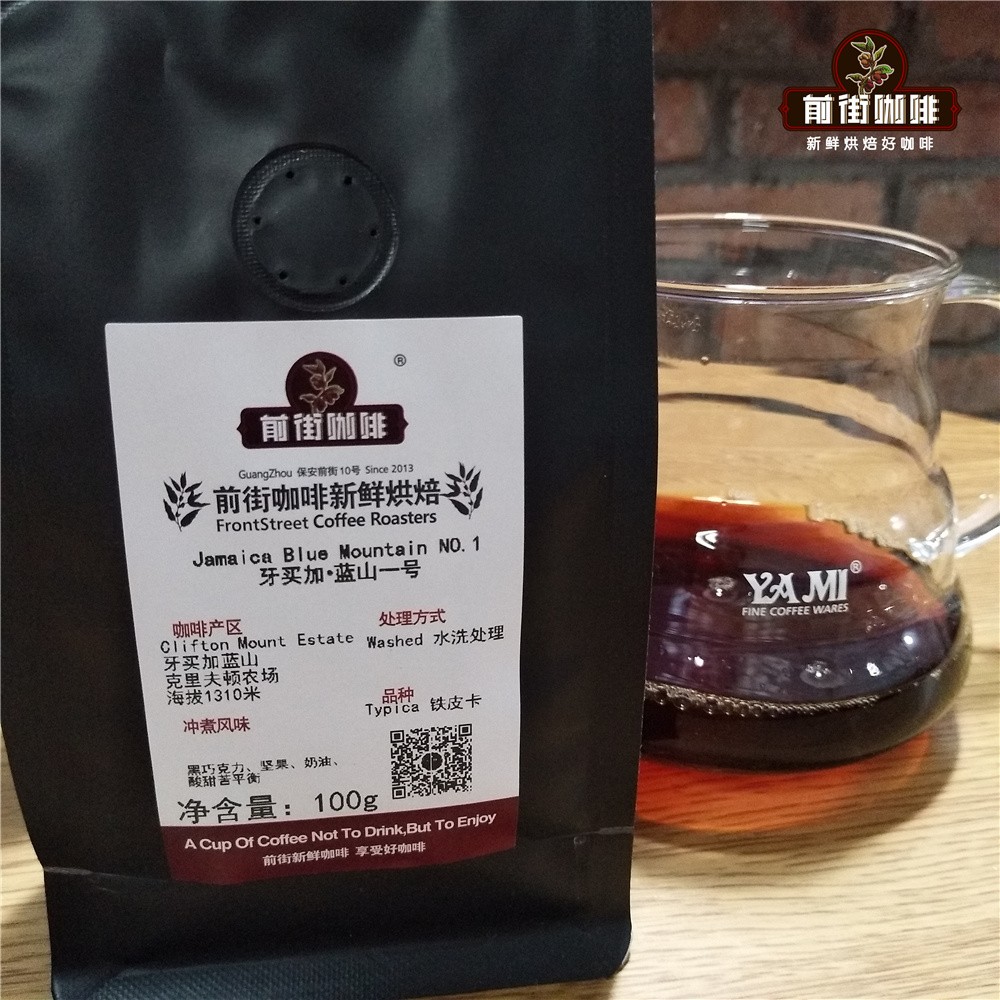
The uniqueness of Blue Mountain coffee stems from its inimitable growing environment. Strictly defined, only coffee beans grown above 1,200 meters (about 3,900 feet) in the Blue Mountain region can bear the name "Blue Mountain." The region's fertile soil rich in volcanic ash, combined with an average annual rainfall of 2,000 mm and a constant temperature of 16–22°C, nurtures beans that possess both body and bright acidity. Notably, even with the same variety and processing methods, other regions cannot replicate this geographically indicative flavor combination.
The stringent standards of the production process further heighten its scarcity. From first flowering to harvest, the growth cycle takes about 10 months (compared to about 6 months for ordinary coffee), and the entire process relies on manual selection of ripe cherries one by one. After picking, the beans undergo three rounds of hand sorting: removal of unripe, defective, and insect-damaged beans; any minor flaw will result in the downgrading of the entire batch. This almost obsessive quality control results in a screening loss rate of 15–20% for every kilogram of Blue Mountain green beans.
Flavor performance is the core reason for its high regard. A pour-over Blue Mountain with a medium roast (recommended at the end of first crack) presents a honey-like sweet base, accompanied by the fresh notes of jasmine and lemongrass. The mid-palate reveals rich layers of dark chocolate and nuts, with a lingering sweet aftertaste. Professional cuppers often describe its mouthfeel as "smooth as silk, with acidity and bitterness balanced to a golden ratio"—a taste experience that ordinary coffee finds hard to match.
Market supply and demand will continue to reinforce its scarcity. Although global demand for specialty coffee is growing at 12% annually, Blue Mountain coffee is limited by steep mountain growing conditions (only 6,000 hectares of suitable production area), and annual output remains in the range of 800–1,000 tons. Collector-grade Blue Mountain (aged over 3 years) can fetch three times the price of new beans, confirming the market rule that "rare things are precious."
For first-time tasters, it is recommended to use a V60 dripper with 92°C water and a coffee-to-water ratio of 1:15 for pour-over. When pouring, use a center-outward spiral pouring method; segmented extraction better highlights its layers. Remember, genuine Blue Mountain coffee should not have strong burnt or smoky flavors—if you encounter such flavors, you may have come across a counterfeit."


