Jamaican Blue Mountain Coffee Flavor Analysis: Altitude and Processing Behind the High Price
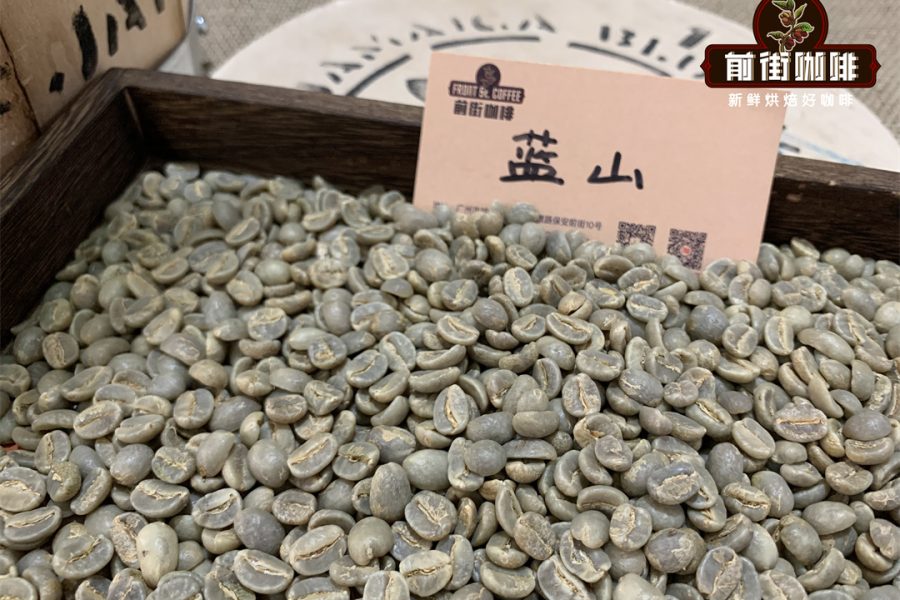
Introduction: Jamaican Blue Mountain coffee, at $60 per pound, ranks among the world's top coffees, and its smooth nutty character fascinates coffee lovers worldwide. This article takes an in-depth look at the growing environment of this rare Arabica bean, its strict screening standards, and how altitude and soil shape its unique flavor. From growing altitude to the certification process, it gives you a full picture of the quality code behind the high price.
In the world of specialty coffee, Jamaican Blue Mountain coffee has always held a mysterious and prestigious position. Grown at the top of the high mountains of this Caribbean island nation, it wins coffee connoisseurs over with its silky nutty flavor and balanced ratio of acidity to bitterness, earning it a reputation as the "king." But what truly sets it apart is not only its flavor—its market price of up to $60 per pound reflects the double value of its scarcity and its stringent production standards.
Jamaica's Blue Mountain is not literally a blue mountain range, but an exclusive production area in the Blue Mountain range in the northeast of the island, north of the capital, Kingston.This stretch of mountainous terrain spans four parishes—Portland, St. Thomas, St. Mary and St. Andrew—and its highest peak rises over 2,256 meters, making it not only the highest point in Jamaica but also famous worldwide for its near-vertical slopes. Note that it should not be confused with the Blue Mountains of New South Wales, Australia.
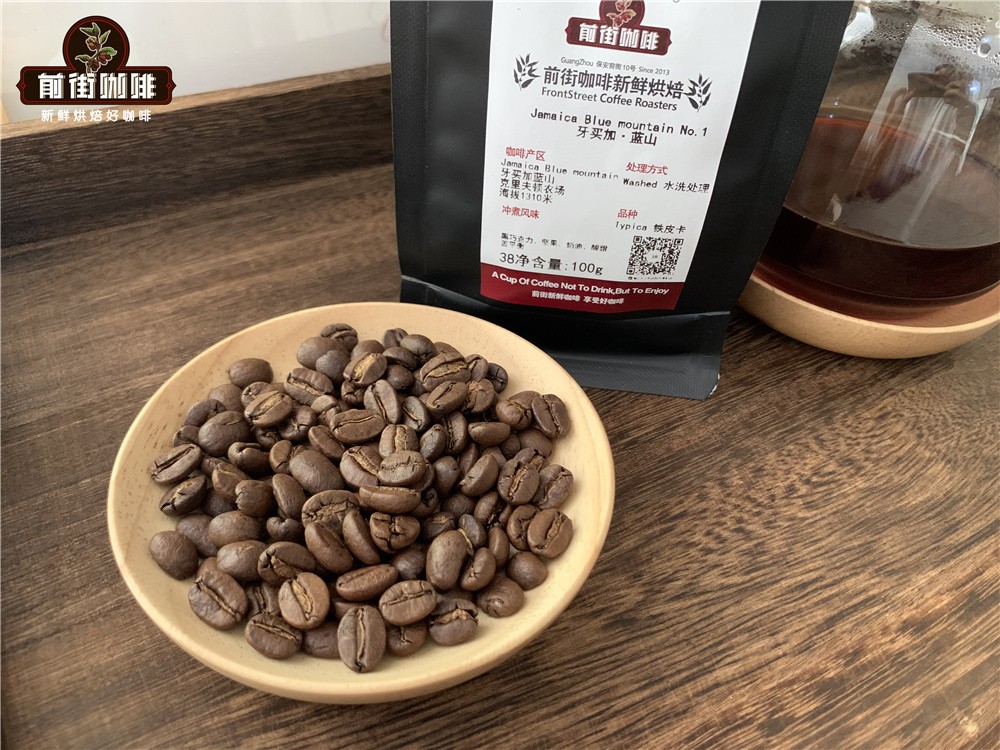
The primary factor determining Blue Mountain coffee's value is its near-exacting growing conditions.Premium beans grow only on steep slopes at altitudes of 914 to 1,676 meters (3,000–5,500 feet)—a range that sits right at the boundary between the cloud belt and the strong-sunlight zone. The rule that temperature drops about 2°C for every 300 meters of elevation extends the coffee trees' growth cycle to 10–11 months, far longer than the 8–9 months typical of ordinary regions. Areas above this altitude range are designated nature reserves, while plants below the lower limit do not meet certification standards.
Volcanic soil gives Blue Mountain coffee its unique flavor base.Basaltic soil rich in minerals such as iron and magnesium, combined with abundant rainfall averaging 2,000 mm a year, makes the beans mature faster—about 40% faster than the same varieties grown on the plains. This accelerated ripening process prompts the fruit to accumulate higher concentrations of aromatic compounds while maintaining a moderate sugar-to-acid ratio. Field observations show that local farmers regulate light intensity with shade trees to ensure the coffee cherries color evenly.
From picking to shipping, Blue Mountain coffee undergoes layer upon layer of rigorous selection.The manual sorting stage requires the removal of all defective beans, and any batch with a sound-bean rate below 95% is discarded outright. The seven-tier quality control system established by the Jamaica Coffee Industry Board (JCIB) includes density testing, spot checks of defect rates and cupping scores, and in the end only 30% of green beans receive the "Blue Mountain Certified" stamp. Consumers should note in particular that authentic Blue Mountain coffee must carry a certificate of origin issued by the JCIB and bear an anti-counterfeit number on the packaging.
For home brewers, a water temperature of 92–94°C with a medium-fine grind (70%–75% passing a Chinese standard No. 20 sieve) is recommended, and when using a V60 dripper, keep the coffee-to-water ratio at 1:15.A light-to-medium roast better preserves Blue Mountain coffee's signature almond and chocolate finish, avoiding the woody off-flavors that a dark roast can bring. Professional roasters note that because Blue Mountain green beans are dense, development time should be extended by about 30 seconds compared with regular beans to reach the optimal extraction balance.


