Why Is Brazil the World's Largest Coffee Producer? Flavor and Acidity Explained
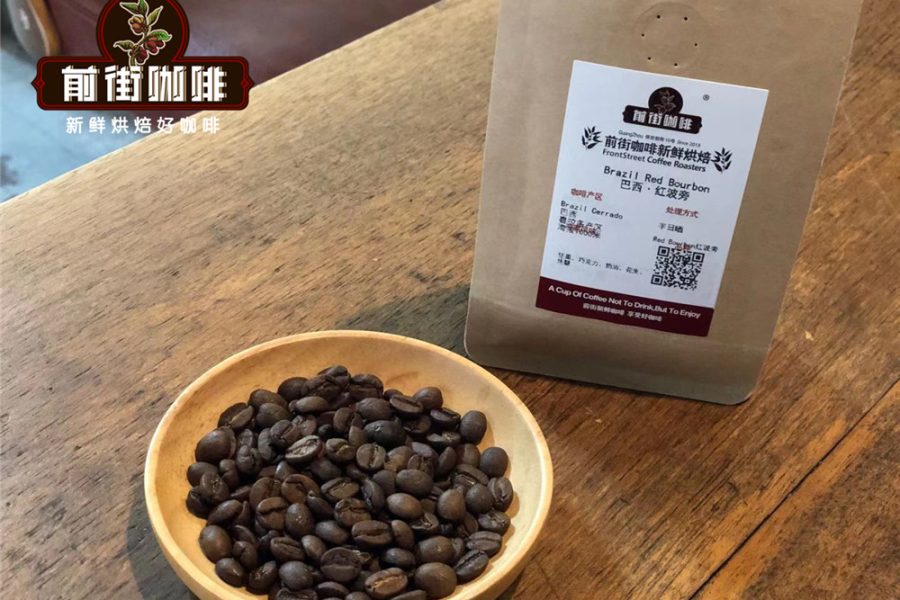
Introduction: Brazil has held the top spot in global coffee production for more than a century and a half, yet discussions about its coffee flavor have always been contentious. This article takes an in-depth look at the growing logic behind the scale of Brazil's coffee industry, from geographical conditions to variety characteristics, reveals the true face of its flavor profile, and answers common questions about acidity. It offers a professional perspective on what makes this South American coffee kingdom unique.
As the world's fifth-largest country by territory (8.51 million square kilometers) and a populous nation (207 million people), Brazil enjoys exceptional agricultural potential. Its coffee-growing regions along the southeastern Atlantic coast benefit from mild sunshine and stable rainfall throughout the year—natural conditions that provide an ideal breeding ground for coffee cultivation.
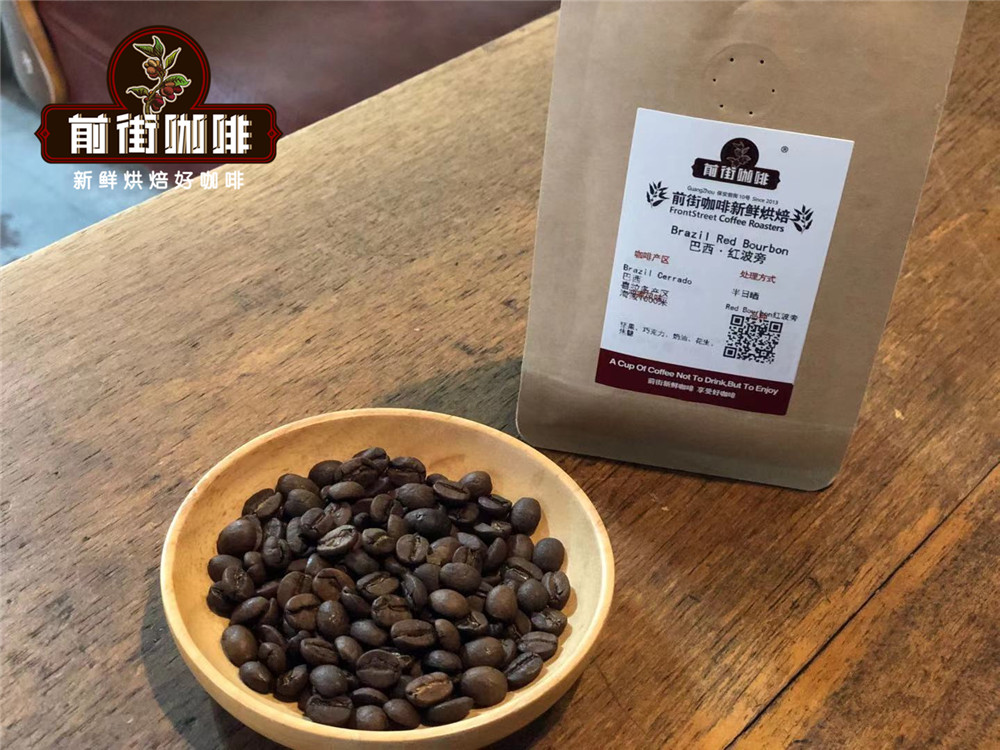
In coffee production, Brazil holds an unshakable lead—it has consistently ranked first in global output for the past 150 years. Data from 2016 shows the country produced 2.595 million tons of coffee beans annually, far ahead of runner-up Vietnam's 1.65 million tons and leaving the third-place producer far behind. Notably, Brazil and Ethiopia are among the few producing countries with substantial domestic coffee consumption, in sharp contrast to most export-oriented origins.
Brazil's coffee regions are concentrated along the southeastern coast, where the climate is especially critical: a maritime climate with small annual temperature swings and evenly distributed rainfall suits both arabica and robusta. But the geographical limitations are equally clear—average growing altitudes are generally below 1,000 meters, markedly lower than other origins in Central and South America. While this low-altitude environment enables higher yields per unit area and shorter growing cycles, it also constrains the development of flavor complexity.
There are widespread misconceptions about Brazilian coffee flavor. In fact, its typical characteristics are prominent nutty notes (such as almond and hazelnut) and distinct medium sweetness, often with a caramel or chocolate-like finish. The influence of low-altitude growing is real: acidity tends to be mild and one-dimensional, contrasting with the bright citrus or berry acidity of high-altitude origins. Yet high-quality Brazilian beans, through precise harvest maturity and special semi-washed processing, can still develop surprising body and balance.
The choice of cultivation model also affects final quality. The high-density planting techniques and mechanized harvesting widely used locally ensure yield while pushing farmers toward varieties with strong disease resistance and stable output. This industrialized production system lowers the specialty rate, but it is an important foundation for maintaining global supply chain stability.
For coffee lovers, understanding the characteristics of Brazilian beans helps build a more comprehensive tasting awareness. Its approachable mouthfeel and low acidity make it especially suitable as an everyday staple bean or a base for espresso blends. When used for pour-over, a water temperature of 90-93°C with a medium-coarse grind is recommended, and extending the bloom time (30-45 seconds suggested) helps fully release its nutty flavor compounds.


