Brazilian Minas Gerais Coffee Beans: Flavor Profile and Pour-Over Brewing Guide
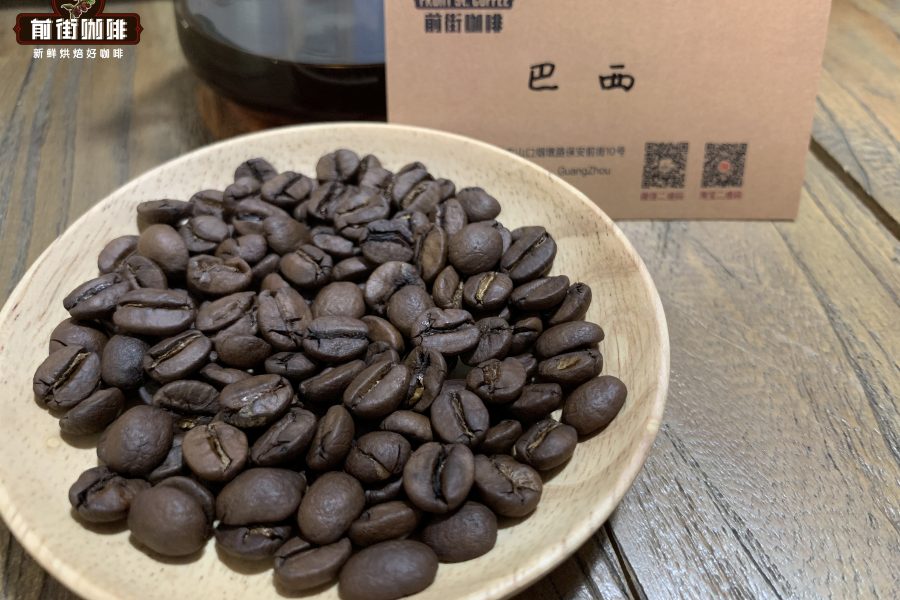
Introduction: Brazil is the world's largest coffee producer, and Minas Gerais contributes nearly half of the country's total output. This land is dominated by smallholder farming and produces balanced, full-bodied arabica beans—a classic choice for espresso blends and pour-over enthusiasts. This article will walk you through the region's geographical features and flavor characteristics, and offer professional-grade brewing parameter recommendations.
Brazil has 14 major coffee-producing regions spread across 7 states, and Minas Gerais stands out above them all, accounting for 50% of the national total. Notably, this figure is supported by a large number of small farms—60% of the state's coffee comes from family-run plantations. Compared with São Paulo state's role as the Santos port hub, or Espírito Santo state's dominance in robusta, Minas Gerais is the core region for specialty arabica coffee.

The state can be further divided into four distinctive sub-regions: Sul de Minas is known for high-altitude steep-slope cultivation, Cerrado Mineiro has a tropical savanna climate, Chapada de Minas sits in the highland transition zone, and Matas de Minas is distinguished by its volcanic soils. These differences create a richness of coffee flavors—ranging from nutty-chocolate base notes to bright citrus tones.
For coffee lovers, the Bourbon variety and Cerrado coffee produced in Minas Gerais are highly recognizable. Their core flavor characteristics are low acidity, medium body, with caramel sweetness and a nutty finish. This mild, balanced character makes them an ideal base for espresso blends, while also allowing layer-by-layer expression through pour-over.
Professional roasters suggest that for espresso, a medium-dark roast (203-210°C drum temperature, 18-20% expansion rate) can highlight its dark chocolate and roasted almond flavors; while pour-over enthusiasts may want to use a medium roast (195-203°C), and when paired with a V60 dripper, a 1:15 coffee-to-water ratio is recommended. At 93°C water temperature, a three-stage pouring method (first pour to 120ml and bloom for 30 seconds, then add the remaining water in two subsequent pours) better releases the delicate balance of citrus and caramel.
When purchasing, note that green beans from this region have relatively high density, and transport and storage should maintain a dry environment (it is recommended to keep moisture content at 11-12%). For first-time Brazilian bean buyers, prioritize lots labeled "Fine Cup" grade; these products have usually undergone strict cupping screening, with a flavor defect rate below 3%.


