Brazil's Mogiana and Cerrado Coffee Regions: Flavors and Growing Traits
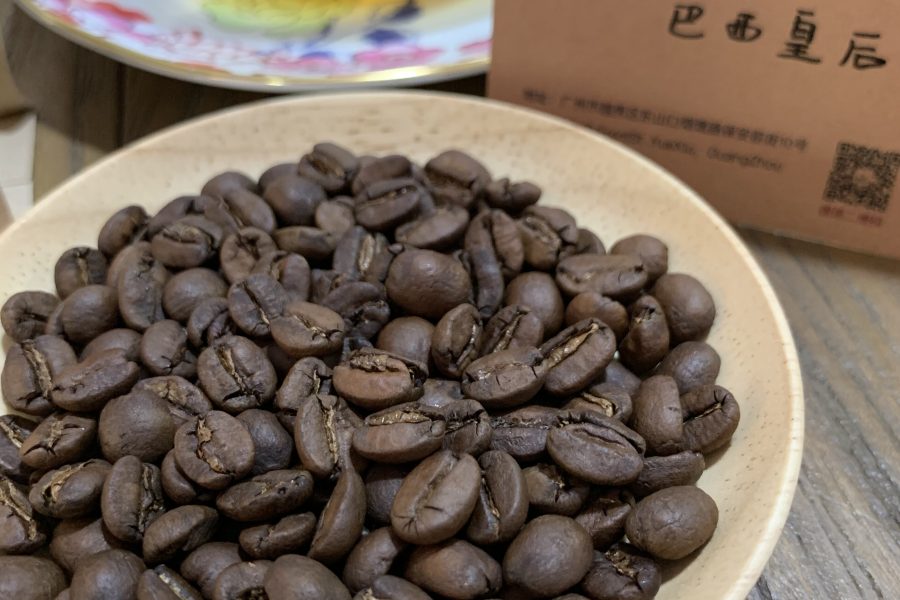
Introduction: As the world's largest coffee producer, Brazil offers diverse and complex flavors. This article takes you inside two of Brazil's important coffee regions—Mogiana and Cerrado—covering their geography, growing characteristics, and the distinctive flavors of the beans they produce. Whether you are a coffee enthusiast or a professional, you will find practical guidance for choosing and tasting beans.
Brazil is not only the world's highest-volume coffee producer; its diversity of flavors is equally remarkable. From inexpensive coffee produced on a large commercial scale to the high-quality espresso raw material favored by professional baristas, Brazil delivers both. Notably, on many Brazilian farms, four different coffee processing methods may be used within a single harvest season, and this flexibility adds further layers of flavor to Brazilian coffee.
Brazil's high-quality coffee is concentrated mainly in three regions, of which Mogiana is one of the oldest and most representative. Located at the border of São Paulo and Minas Gerais states, the area has deep, fertile red soil, and these soil conditions provide abundant nutrients for the coffee trees. Thanks to this, coffee from Mogiana typically has pronounced sweetness and a full, round, smooth mouthfeel, making it well suited to pour-over lovers who enjoy rich flavors.
Another important region is Sul Minas, located in southern Minas Gerais northeast of São Paulo, mostly characterized by rolling hills. This is the core of Brazilian coffee growing and is home to well-known estates such as Ipanema and Monte Alegre. Sul Minas has a long history of coffee cultivation, and its growers have accumulated extensive experience; the coffee produced often has balanced acidity and sweetness along with good body, making it a preferred raw material for many specialty coffee roasters.
Compared with the first two, Cerrado is a relatively new coffee region, but its potential should not be underestimated. Located around the city of Patrocínio, it is a semi-arid highland area geographically between São Paulo and Brasília. Because the climate is relatively dry with abundant sunshine, the coffee-growing environment here is fairly stable, and the coffee typically shows clear acidity and a bright mouthfeel, gradually drawing market attention. Although the terrain is less scenic than other regions, Cerrado shows a great advantage in the reliability of coffee quality.
However, Brazilian coffee also faces challenges in pursuing ideal flavors. For example, when trying to preserve the sweetness and fruity aroma of the coffee fruit through dry processing (the natural drying method), some coffee may develop excessive bitterness due to improper handling. Dry processing requires that the coffee fruit be sun-dried naturally after picking, a process with extremely high demands on weather conditions and operating technique. Once drying time or evenness is poorly controlled, it easily leads to imbalanced flavors in the beans.
Take Brazil's Fazenda Vista Alegre as an example. The farm drew attention for trying a special dry-processing method—allowing the coffee fruit to dry directly on the tree rather than the traditional approach of picking first and then drying. Although this practice sparked considerable discussion in the market, the actual flavor results are often less than ideal, showing more of the potential flaws of dry processing than its supposed advantages. This also reminds coffee professionals and enthusiasts that when choosing Brazilian coffee, they should pay particular attention to its processing method and regional characteristics in order to better experience its unique flavors.


