Mexican Chiapas vs. Guatemalan Coffee: Flavor Differences and Pour-Over Tips
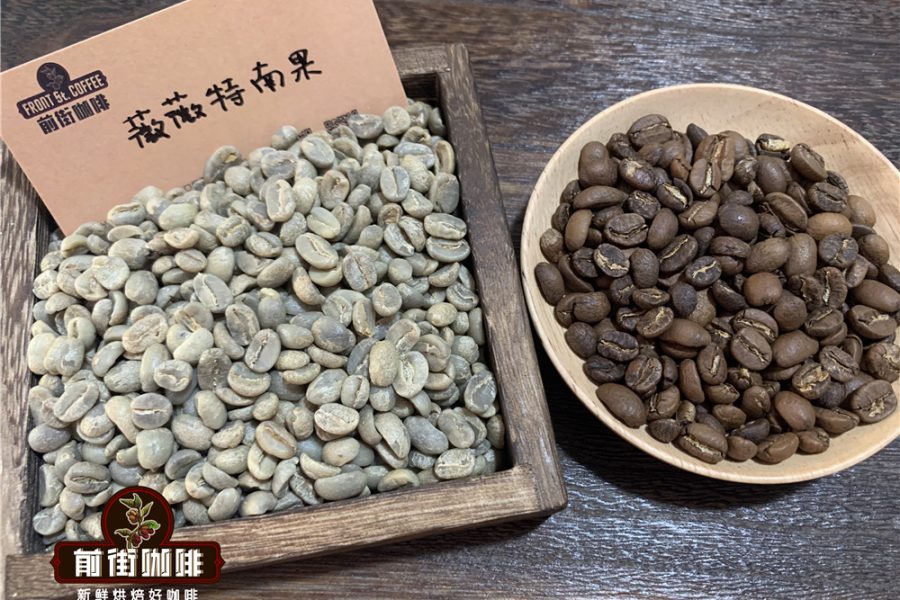
Introduction: This article takes an in-depth look at the flavor characteristics of high-grown coffees from Chiapas, Mexico, and Guatemala, and analyzes the subtle differences between them in acidity, body, and complexity. Drawing on on-site growing-region analysis and cupping experience, it helps coffee lovers understand how to use brewing parameters to highlight the distinctive traits of different regions, and includes pour-over recommendations. It is aimed at specialty coffee explorers who seek out differences in terroir.
Most of Mexico's fine coffee comes from the southern part of the country, where the terrain gradually narrows and turns toward the east. Veracruz lies on the seaward side of the central cordillera and is dominated by lowland coffee, but it is worth noting that the Altura (high-altitude) Coatepec coffee produced in the mountains around the city of Coatepec in that state has a strong reputation. Veracruz's Altura Orizaba and Altura Huatusco are also worth attention. In Oaxaca, coffees from the far side of the southern slopes of the central cordillera also enjoy a good reputation and are usually sold under the name Oaxaca or Oaxaca Pluma. Chiapas lies in the mountains at Mexico's southeastern tip, bordering Guatemala. Traditionally these coffees were named after the nearby city of Tapachula, but today coffee merchants prefer to label them simply as the Chiapas region. The area contains some of Mexico's highest-yielding and highest-quality coffee-growing zones.
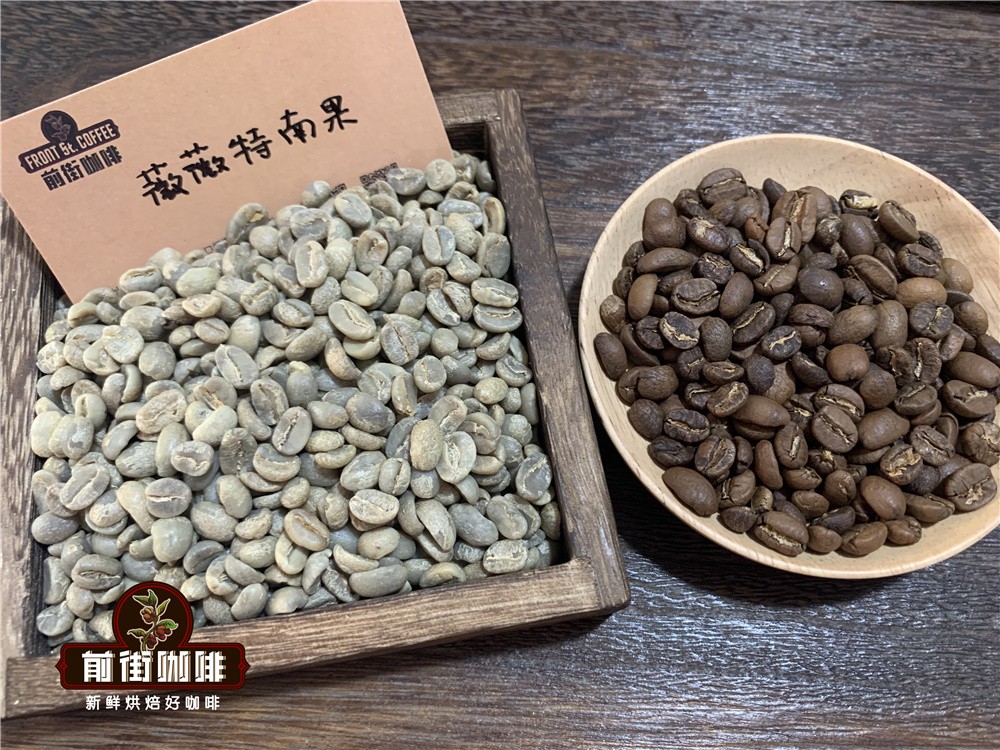
Fine Mexican coffee is often compared to a high-quality light white wine—light and delicate on the palate, with a pleasant, bright acidity. For drinkers who prefer black coffee and favor a fresh, bright acidity, this typical Mexican profile is highly appealing. However, some Mexican coffees, especially those from the high-altitude growing areas of Chiapas, are fully capable of holding their own against Guatemala's top coffees in flavor intensity and layered complexity.
In terms of flavor profile, high-grown Chiapas coffees tend to show a fuller body and rich sweetness, with acidity that is relatively soft but long-lasting, often carrying caramel, nut, and subtle red-berry notes. Guatemalan coffees, especially beans from high-altitude areas such as Huehuetenango or Antigua, typically show sharper citrus acidity, paired with dark chocolate, spice, and a smoky finish, with an overall tighter structure. The two also differ clearly in extraction: Mexican coffee suits a slightly lower coffee-to-water ratio (such as 1:15 to 1:16) to preserve its light character, while Guatemalan coffee can be brewed at a higher concentration (such as 1:14) to reinforce its body and complexity.
It is worth noting that Mexico is also the source country for many of the organic-certified coffees on North American specialty coffee menus. These coffees are usually certified by authoritative international bodies and are grown without any chemical pesticides, fungicides, or herbicides throughout the growing process, ensuring environmental friendliness and health safety. For consumers who care about sustainable growing and flavor purity, such certified coffees are undoubtedly a preferred choice.
Although coffee from many of Mexico's top estates rarely reaches the U.S. market and is instead sold more to Europe, especially the German market, these coffees still enjoy a reputation within the global specialty coffee community. For example, estates such as Liquidambar, though limited in recognition in North America, have repeatedly received praise in professional cuppings for the coffees they produce. For enthusiasts who want to understand the differences in terroir among Central American coffees, tasting Chiapas and Guatemalan coffees side by side is a key step toward understanding how growing-region altitude, soil, and processing method affect the final flavor.


