Peru Coffee Beans: Flavor, Pour-Over Selection and Organic Farming
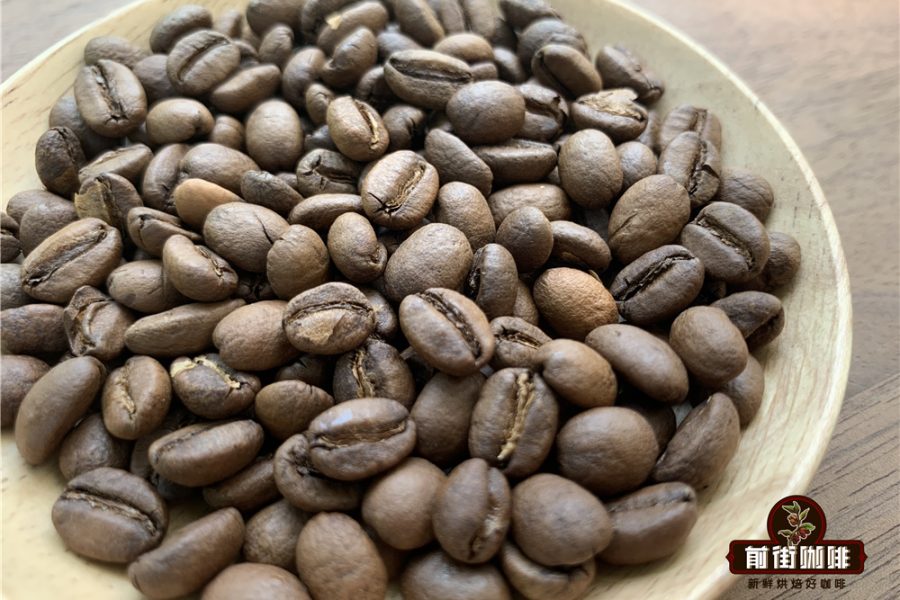
Introduction: Peru coffee, nurtured by its unique terroir, offers a balanced and mellow cup. It is not only a quality choice for pour-over enthusiasts but also draws attention for its widespread organic farming. This article provides an in-depth look at the development of Peruvian coffee from the colonial period to the present, reveals the inheritance and innovation of the Typica variety, explains the flavor code behind its sweet-tart balance, and offers professional buying advice and brewing parameter references.
In the early 18th century, coffee first arrived in Peru with European colonists, and the heirloom Typica variety from Yemen quickly became the dominant planted variety thanks to its strong adaptability to the local high-altitude environment. These early plants laid the foundation of Peru's coffee gene pool, and their disease resistance and mild flavor characteristics continue to this day.
In the late 20th century, the Peruvian coffee industry faced multiple challenges: weak infrastructure led to outdated post-harvest processing techniques, long-running domestic guerrilla conflict diverted agricultural resources, and the global coffee price crash of the 1990s added further pressure. Traditional crops such as cacao received more attention for their short-term economic benefits, and coffee cultivation once fell into a trough. It was not until the early 21st century, with the rise of the international specialty coffee wave, that Peruvian coffee farmers began to systematically improve their production models.
By precisely leveraging the day-night temperature difference advantage of the high-altitude production areas of the Andes (generally planted at 1,500-2,000 meters) and the mineral-rich characteristics of the volcanic soil, Peru gradually developed specialty coffee with distinct regional characteristics. A "coffee production area certification program" launched by the government together with non-profit organizations helped more than 20,000 small farms establish standardized production processes, keeping Peru firmly among the world's top ten arabica coffee exporters for many consecutive years.
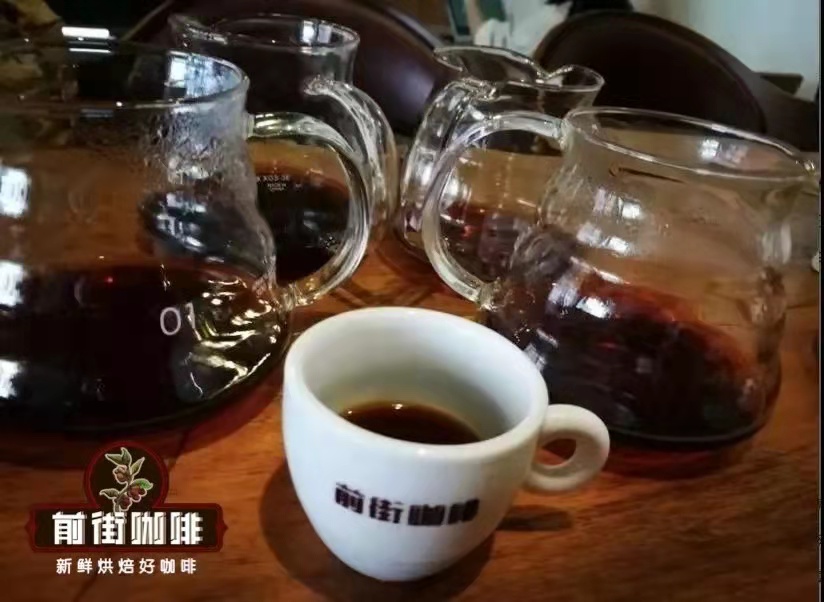
Modern Peruvian coffee shows a typical South American style: at medium to medium-dark roasts it reveals a mellow base of toffee and nuts, while under light roast conditions it highlights the fresh acidity of citrus fruits and a soft, black-tea-like body. Different micro-regions each have their own characteristics—the northern Chachamayo production area often shows bright red apple acidity, while the southern Cusco production area tends to carry chocolate and caramel finish notes. Professional roasters recommend using a water temperature of 90-92°C and a coffee-to-water ratio of 1:15-1:16 for pour-over, which can fully present its clearly layered flavor structure.
There is a common misconception about organic farming: not all Peruvian coffee is certified, but a very high proportion is indeed grown using traditional ecological farming methods. Because remote mountain areas are difficult to access, many farmers have naturally continued production methods without chemical agents for decades. In recent years, as demand for organic certification has grown in European and American markets, Peru has developed a complete certification support system; currently about 60% of exported coffee has obtained USDA or EU organic certification, of which about 35% also meets fair trade standards.
When buying Peruvian coffee beans, it is advisable to check the production area information and processing method labels first: washed beans are usually cleaner and suit users who prefer a refreshing taste, while natural or honey processing can retain more floral and fruity aromas. For storage, keep unopened coffee beans in a cool, dark place; after opening, it is recommended to store them in a bag with a one-way degassing valve and use them within 2 weeks to ensure the best flavor performance.


