Guatemalan Coffee: From Colonial History to Flavor and Terroir
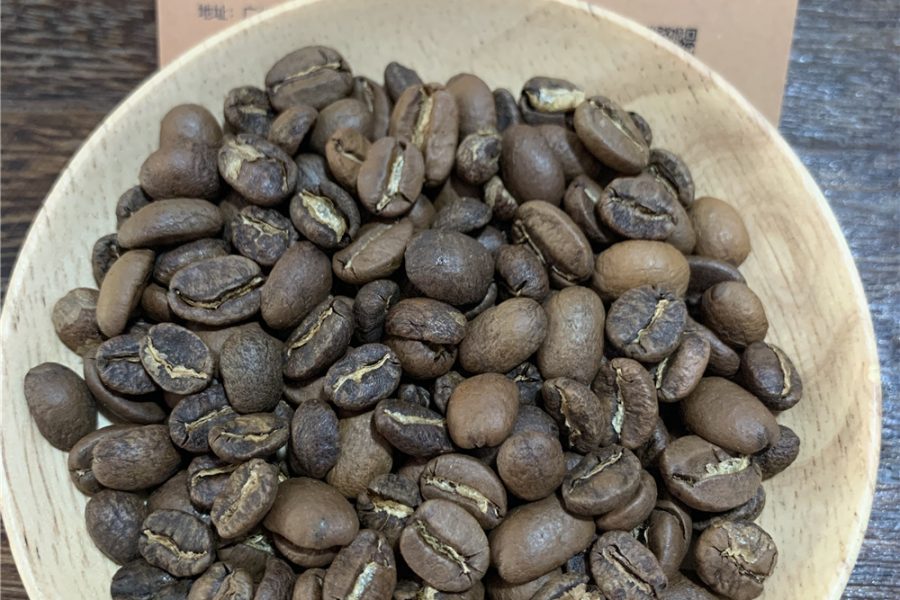
Introduction: Guatemalan coffee is famed worldwide for its layered sweetness and chocolate notes, but behind its distinctive flavor lies a complex history interwoven with colonial economics, political turmoil, and natural challenges. This article takes you through Guatemalan coffee's evolution from an 18th-century monastery ornamental plant to one of the world's top ten producing regions, and explains the origins of its signature nutty and toffee flavors and the differences among its growing regions.
When missionaries introduced coffee seedlings to Guatemala in the mid-18th century, they could hardly have imagined that this red fruit would become a key crop reshaping the nation's fate. First grown as an ornamental garden plant at the Jesuit monastery in La Antigua, coffee gradually spread under government tax exemptions and production incentives. Notably, the beans planted in the early years were mainly for domestic consumption, and large-scale export did not begin until after 1850—a shift closely tied to the impact of British synthetic dye technology on Guatemala's traditional indigo trade.

The global economic changes of the late 19th century unexpectedly gave rise to the coffee industry. As the natural dye market shrank, coffee, with its stable economic returns, was seen as full of promise. Growing areas quickly spread across the country, and farmers overcame frequent volcanic eruptions, seasonal frosts, and excessive rainfall averaging more than 2,000 mm per year, gradually developing unique varieties suited to high-altitude volcanic soils. These challenges instead gave Guatemalan coffee the full body and complex regional flavors it is known for today.
The political turmoil of the 20th century dealt severe shocks to the coffee industry. The 1954 CIA-orchestrated coup that overthrew reformist President Árbenz triggered a conflict lasting more than three decades, paralyzing infrastructure and forcing many coffee farmers to migrate or abandon their plantations. But the peace-building period created opportunities for recovery—nearly two decades of stability returned Guatemala to the world's top ten coffee-producing countries, and with a specialty bean share of over 30%, it ranks second in the Americas.
The flavor profile of contemporary Guatemalan coffee is highly distinctive: a bright citrus acidity base layered with dark chocolate and caramel sweetness, and some high-altitude regions (such as Huehuetenango) can also show a unique smoky finish. This character comes from three core elements: mineral-rich volcanic ash soil, high-altitude growing environments of 1,500–2,000 meters, and rigorous post-harvest processing. Common processing methods include honey processing (retaining 30%–50% of the mucilage) and sun-dried fermentation; the former enhances body, while the latter highlights tropical fruit notes.
For coffee lovers, the flavor differences among Guatemala's regions are worth exploring: the Antigua region is known for rich nutty and spicy flavors, suited to dark roasting to bring out chocolate layers; the microclimate around Lake Atitlán gives beans a fresh tea-like quality and bright acidity, better suited to medium roasting to reveal floral and fruity aromas. Professional roasters recommend pour-over brewing at 92–94°C with a 1:15–1:16 coffee-to-water ratio, which effectively balances its natural sweetness and body.


