Guatemala Peaberry Coffee: Flavor Profile and Pour-Over Guide
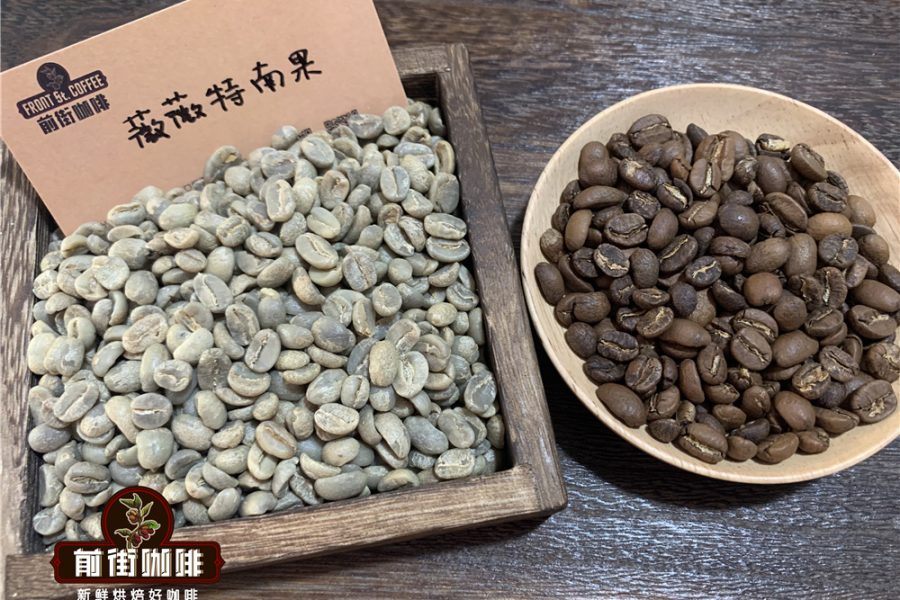
Introduction: Guatemala is known for its high-altitude specialty coffee regions, and the peaberry coffee it produces is often considered to have a more concentrated flavor due to its unique growth form. This article compares the core differences in flavor and growing conditions between peaberry and normal coffee beans, analyzes how Guatemala's coffee regions shape the coffee's full-bodied character through factors such as altitude and soil, and offers practical advice for brewing this special bean by pour-over.
Guatemala is one of the world's important specialty coffee regions, and its high-altitude, volcanic-soil environment provides unique advantages for coffee cultivation. The coffee beans produced here are known for being full-bodied and mellow with bright acidity, and one special type, peaberry, attracts particular attention for its differences in both form and flavor.
A normal coffee fruit usually contains two flat coffee beans that share the nutrients in the fruit. But about 5% of fruits mutate to develop only one round coffee bean, the peaberry. This single bean absorbs all the nutrition that would have been allocated to two beans, making it denser with more concentrated flavor compounds.Guatemala's volcanic soil is rich in minerals, and together with the high-altitude environment of 1,500-2,000 meters, large day-night temperature differences, abundant sunshine and stable rainfall, it further amplifies the peaberry's flavor potential.

In flavor, normal Guatemalan coffee beans are known for a balanced acid-to-bitterness ratio, commonly showing layers of citrus, black tea and chocolate, with medium-to-full body. Peaberry coffee, because of its concentrated nutrients, often shows richer nutty and dark chocolate notes, accompanied by caramel-like sweetness and a faint smoky finish, with a smoother mouthfeel and lasting aftertaste. However, this difference is not absolute; the specific expression is still affected by processing methods (such as washed or natural) and roast level.
Altitude is one of the key factors determining Guatemalan coffee quality.For every 300 meters of elevation gain, the density and aroma complexity of coffee beans usually increase significantly. The country's Antigua, Huehuetenango and other regions generally exceed 1,500 meters in altitude, and the coffee beans produced there, whether peaberry or normal, all have distinct regional character. In addition, volcanic soil is high in potassium and phosphorus, which can promote nutrient absorption by coffee tree roots and indirectly affect the bean's sweetness and brightness of acidity.
Besides altitude and soil, climatic conditions are equally important. Guatemala's average annual temperature is about 18-22°C, and its regular rainy and dry seasons provide a stable growing environment for coffee trees. During cultivation, the use of shade trees can prevent direct sunlight from causing the beans to mature too quickly, thereby retaining more flavor compounds. During picking, fully red cherries must be strictly selected to ensure consistent ripeness, which is crucial for subsequent flavor development.
To experience the unique flavor of Guatemalan peaberry, it is recommended to use a medium-fine grind (such as a 70%-75% pass rate through a Chinese standard No. 20 sieve), with water temperature controlled at 90-93°C, and extract by pour-over. Use a staged pouring method: first pour a small amount of hot water and let it bloom for 30 seconds to awaken the beans, then pour in circles up to the target water amount, with a total extraction time of 2 minutes 30 seconds to 3 minutes. Be careful to avoid over-extraction, which causes bitterness, or under-extraction, which causes sharp acidity.
In summary, the core difference between Guatemalan peaberry and normal coffee beans comes from the change in nutrient distribution caused by their form, combined with regional advantages such as high altitude and volcanic soil, resulting in a more concentrated flavor and fuller body. Whether pursuing flavor complexity or trying a special bean type, understanding these differences can help coffee lovers better choose and brew.


