Guatemala Huehuetenango and San Marcos Coffee Flavors and Pour-Over Guide
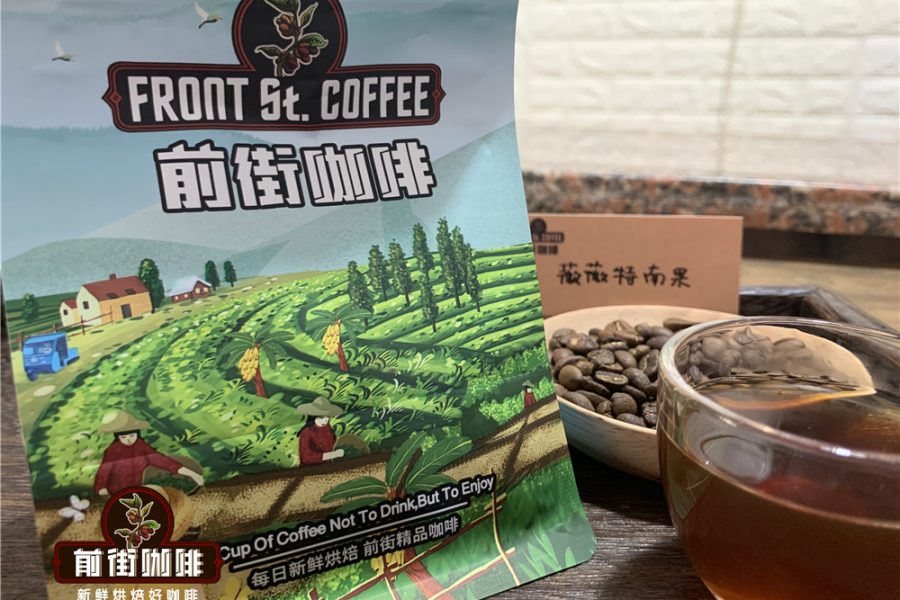
Introduction: Want to learn about the unique flavors and growing characteristics of coffee beans from Guatemala's two major specialty coffee regions—Huehuetenango and San Marcos? This article provides an in-depth analysis of the flavor profiles of the main varieties grown in these regions, including Typica, Bourbon, and their derivatives, covering acidity, sweetness, and aroma characteristics to help you choose beans or try pour-over brewing with more direction, while also understanding the practical impact of regional geography and microclimate on coffee flavor.
Guatemala is renowned for producing complex, multi-layered specialty coffees, with Typica and Bourbon being the most representative varieties. These two classic Arabica coffee tree types are the foundation of many high-quality coffee flavors and are widely regarded as the benchmark defining coffee's "cupping quality." In addition to these two main varieties, the country also grows Catuai, Caturra, and Pache, most of which are variants or improved selections of Bourbon or Typica, each bringing distinctly different flavor expressions.
Guatemala has eight distinct coffee regions, covering more than 300 microclimates, with over 125,000 coffee growers cultivating beans with unique flavors. Differences in soil, altitude, rainfall, and temperature across each region directly influence the final flavor characteristics, so that even two neighboring regions may produce coffees with completely different personalities.
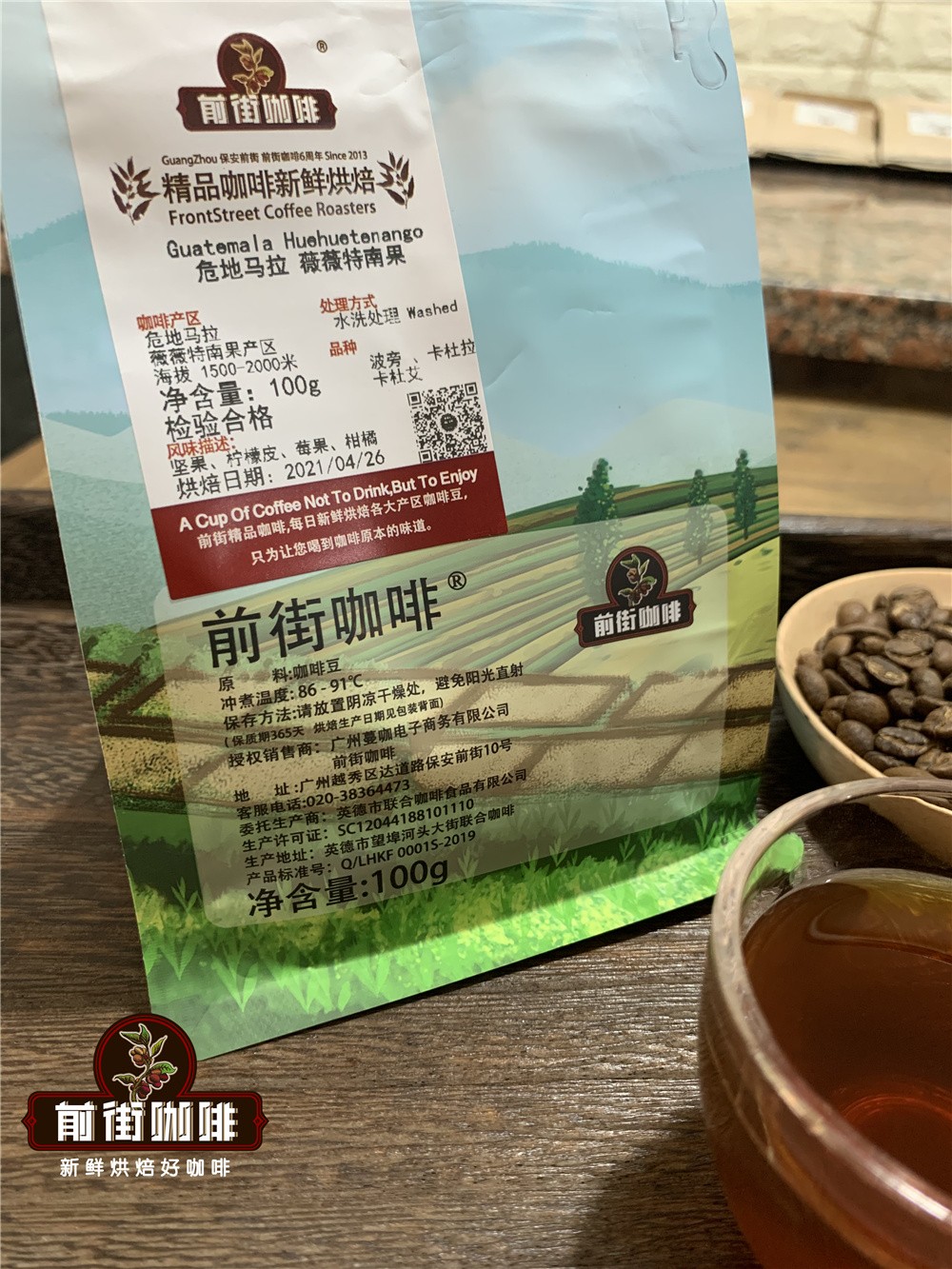
Among them, the highland Huehuetenango region, located on the border between Guatemala and Mexico, is one of the country's highest-altitude and driest non-volcanic coffee regions. Far from the influence of volcanic soil, it benefits from a stable and mild subtropical highland climate, so its coffees often have a delicate wine-like subtle acidity and rich nutty and caramel sweetness. Altitudes here typically range from 1,500 to 2,000 meters; the large day-night temperature difference at high altitude helps the coffee fruit mature slowly and accumulate more flavor compounds, making it very suitable for pour-over enthusiasts seeking clarity and complexity to try medium-light roasts.
Another highly distinctive region is San Marcos, known as "the land where volcanoes awaken." It not only has high altitudes but also year-round high temperatures, high humidity, and abundant rainfall; together with proximity to the Pacific Ocean and an active volcanic environment, this gives the region's coffee pronounced acidity and layered floral aromas. The volcanic soil here is rich in minerals, and frequent rainfall makes coffee trees grow rapidly, but it also places higher demands on cultivation management. Coffees from San Marcos often show bright citrus acidity, floral notes such as jasmine and rose, and soft red berry flavors, making them very suitable for drinkers who prefer bright fruit acidity and expressive aromas. If you enjoy trying single-origin coffees with floral and fruity notes, beans from San Marcos are a great choice.
Overall, the appeal of Guatemalan coffee lies in its richness and regional uniqueness. Some coffees are as elegant as fine wine, while others offer a mellow experience reminiscent of sweet cocoa or dark chocolate. Whether you prefer clean acidity, a full body, or complex aromas, coffee lovers can find a favored region and flavor on this Central American country's coffee map.
If you are planning to try pour-over brewing with Guatemalan coffee, it is recommended to adjust parameters according to regional characteristics: for example, for medium-light roasted beans from Huehuetenango, try a water temperature of 90-93°C, a 1:15 coffee-to-water ratio, and staged extraction to highlight its clear acidity and nutty notes; for the high-acidity, aromatic beans from San Marcos, you can lower the water temperature slightly to 88-91°C and extend the bloom time to release more floral and juicy notes. Understanding the terroir behind each region will make your coffee experience more three-dimensional and profound.


