Pour-Over Coffee Guide: Brewing Tips for Beginners and Bean Recommendations
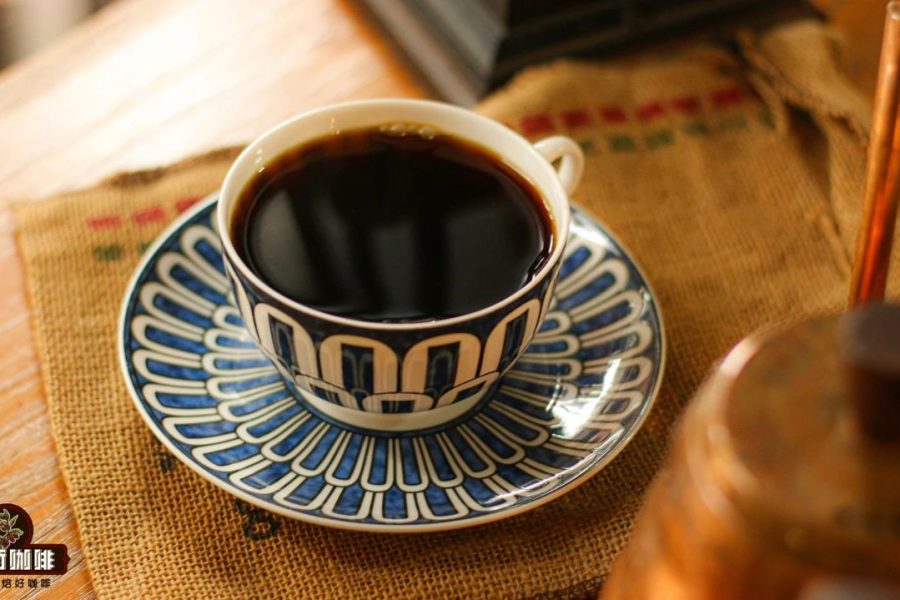
Introduction: Want to brew a delicious pour-over coffee easily at home or in the office? This article details the entire process from choosing beans and grinding to brewing, covering three core steps and practical parameters, recommending four high-quality coffee beans of different flavor types, and providing precise extraction plans to help you quickly master pour-over techniques and enjoy a professional-level coffee experience.
Pour-over coffee looks simple but actually contains quite a few techniques. Although different schools of brewing have their own characteristics, the basic process usually revolves around the three core stages of "preparation, blooming, and brewing." Before you start, however, one thing is crucial—choosing a bag of freshly roasted, high-quality coffee beans. Once coffee beans are ground into powder, the surface area exposed to air increases greatly, and the aroma is quickly lost. Therefore, it is best to buy whole beans and grind them fresh right before brewing, so you can fully experience the richest layers of coffee aroma. In particular, freshly roasted beans usually need a few days of resting; the best flavor often appears 5 to 14 days after roasting, so choosing freshly roasted beans is especially important.

For beginners just getting into pour-over, understanding different flavor profiles of coffee beans can help you quickly find the taste you like. Based on common consumer preferences in the market, coffee beans can be roughly divided into four categories: bright fruity acidity, tropical fruit, mellow nutty, and intense fermented. Each type has its unique flavor characteristics and suitable roast level.
If you like fresh, bright acidity and dislike overly strong bitterness, you can prioritize bright fruity acidity beans. These coffees are usually washed processed and roasted at a medium-light level; flavor descriptions often include lemon, citrus, green tea, or white floral notes. They are refreshing on the palate, with bright but not harsh acidity.
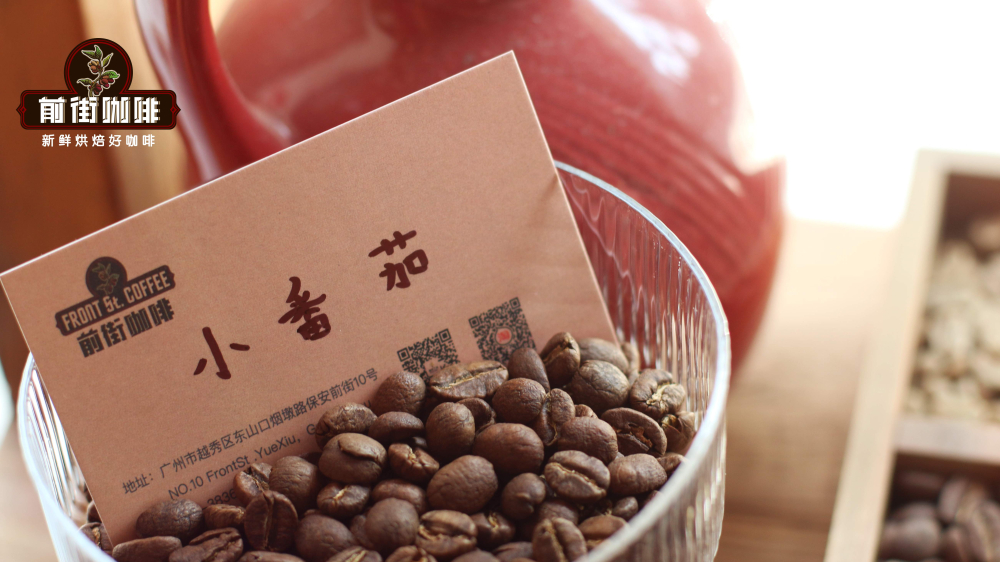
Lovers who prefer rich tropical fruit flavors can look for beans whose flavor descriptions mention mango, guava, strawberry candy, or rose. These beans are also usually medium-light roasted and can show rich fruit character, with a lively and clearly layered mouthfeel—very suitable for people who enjoy intense fruity flavors.
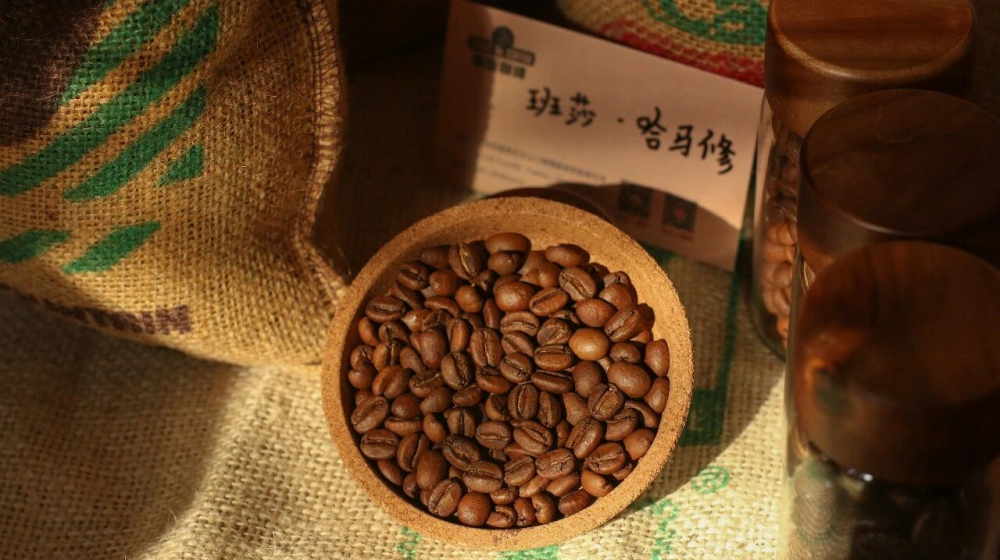
For coffee lovers seeking a mellow mouthfeel and full flavor, medium-dark roasted beans are a better choice. These coffees usually have warm, mellow flavors such as nuts, chocolate, caramel, or cream, with lower acidity, a full body, and a long finish—suitable for drinkers who like rich flavors.
For coffee lovers who want to try special flavors, fermented beans offer a distinctive taste experience. These coffees often have unique flavors from fermentation such as wine, candied fruit, raisins, or peach, with a rounded mouthfeel and rich layers—suitable for coffee explorers seeking novel experiences.
Next, let's take a detailed look at the specific pour-over process. First is preparation: wet the filter paper and place it in the dripper. This step not only preheats the dripper but also removes any off-flavors the filter paper may bring. Then pour the ground coffee into the dripper and gently tap the rim to level the coffee bed. This step looks simple but has a big impact on the uniformity of subsequent extraction. At the same time, don't forget to preheat your server or coffee cup to keep the coffee warm.

Blooming is a key step in the pour-over process, also called pre-infusion. Use about 30 grams of water to gently wet all the coffee grounds, then wait 15 to 30 seconds. During this process, you will see the coffee grounds slowly swell like a hamburger; this is the coffee releasing carbon dioxide and an important step in awakening the coffee's flavors.
For the main brewing, a staged pouring method is recommended. For the second stage, you can use a slightly stronger stream to pour about 120 grams of water, aiming to evenly raise the coffee bed; be careful to keep the stream vertical and steady. When the total poured water reaches about 150 grams, it usually takes about 55 seconds. Then, when the liquid level drops to half, begin the third stage: switch to a small stream and pour in small circles for the remaining water, about 90 grams, to avoid disturbing the coffee bed and causing uneven extraction. The total poured water in the whole brewing process is usually around 240 grams, and the completion time should be controlled at around 2 minutes 10 seconds.
As for specific extraction parameters, here is a reference plan: use a V60 dripper, water temperature at 91-92°C, 15 grams of coffee grounds, a coffee-to-water ratio of 1:15, and a grind size about that of fine granulated sugar (you can sift with a No. 20 sieve and retain about 80% of the particles). These parameters can be fine-tuned according to personal taste preferences.
When you finish brewing and remove the dripper, remember to gently swirl the server to mix the coffee evenly, which gives a more balanced mouthfeel. In a suitable brewing environment, you can even feel the coffee aroma spreading throughout the process, as if you were immersed in coffee fragrance. And as the brewer, you are often the first to experience the unique flavors the coffee brings.