Guatemala San Marcos vs Huehuetenango Coffee Bean Flavor Comparison and Pour-Over Recommendations
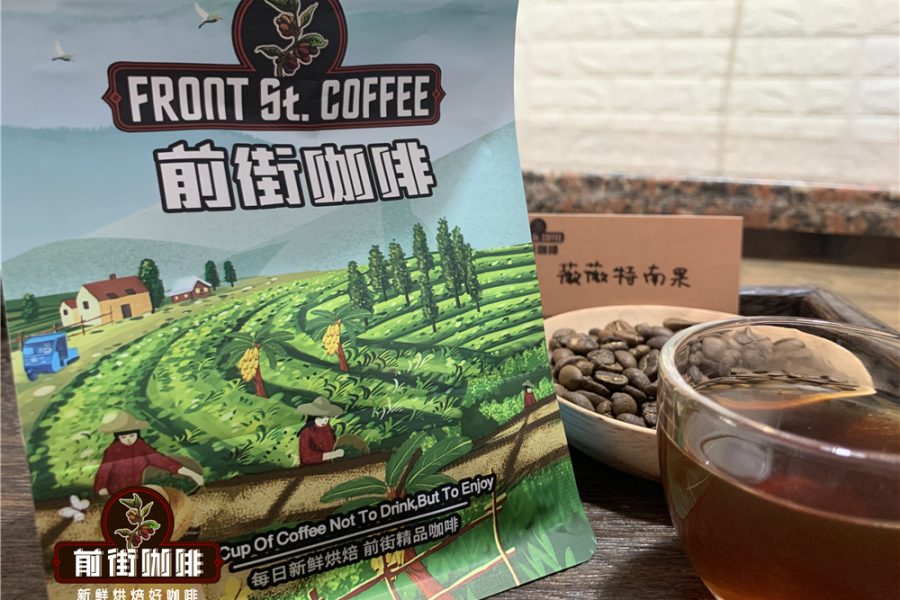
Introduction: Guatemala is a global specialty coffee region, and its growing areas differ markedly in bean flavor. This article focuses on two well-known regions, San Marcos and Huehuetenango, comparing acidity, body and flavor layers to explain their differences, and provides professional pour-over parameter references to help you choose beans precisely according to your taste preferences.
Guatemala is globally recognized as one of the golden regions for specialty coffee, but terroir differences among regions create distinctly different flavor expressions. Beyond the well-known Antigua and Huehuetenango, the San Marcos region is also worth exploring in depth. Many coffee lovers often wonder: is San Marcos coffee really lower in acidity than Huehuetenango? The answer must start with the growing environments and processing methods of the two.
First, the Antigua Santa Barbara region (placeholder image 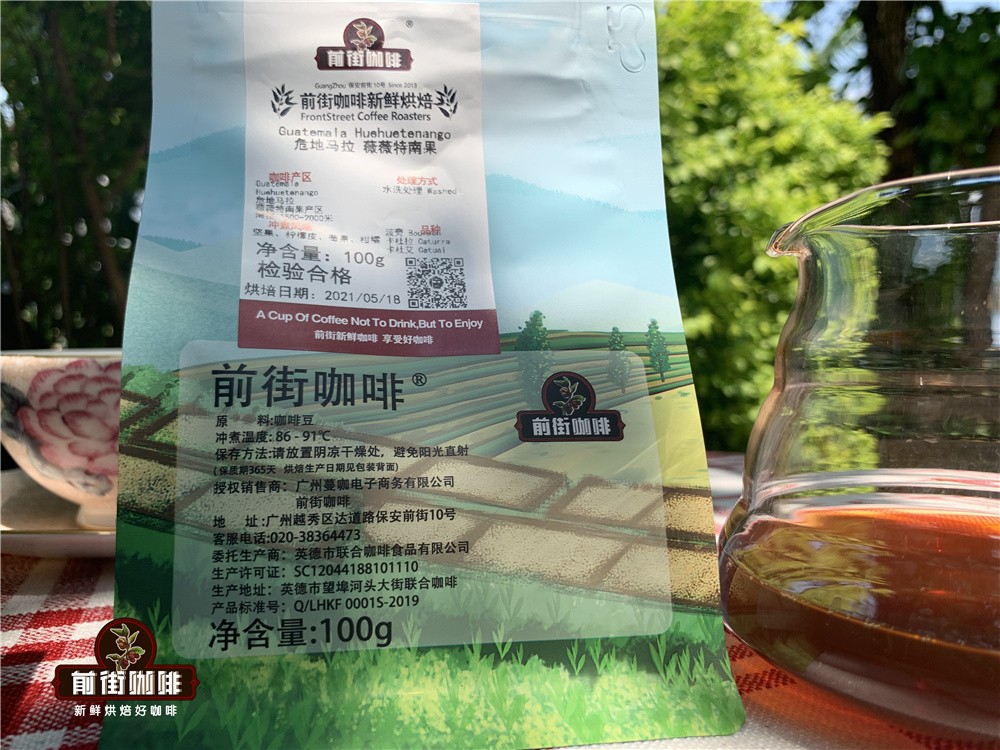 position example), which is hailed as a typical representative of Central American coffee. After roasting, its coffee beans present a full, creamy texture; on the first sip there are clear chocolate and nut notes, followed by a delicate balance of lively acidity and candy-like sweetness, and the sweet aroma in the finish can linger for several minutes. More unusually, the beans from this region release a rich and lasting complex aroma when ground, quickly filling the whole space.
The organic Huehuetenango region suits those who seek a milder cup. Its uniqueness lies in maintaining low-acid characteristics while avoiding the burnt-bitterness common to many low-acid beans. After brewing, you can perceive clear caramel sweetness, accompanied by soft fruit aromas and a faint chocolate finish; the overall flavor is clean and refreshing, and the aftertaste is neither astringent nor harsh. Even drinking it on an empty stomach is unlikely to cause stomach discomfort, and this balance makes it the first choice for many coffee beginners.
Here is the key point—coffee beans from the San Marcos region are indeed known for low acidity. Its flavor profile leans clearly toward the nut family: from the dry aroma when the bag is opened to the cup performance after brewing, warm nut notes such as almond and hazelnut run throughout, with floral notes appearing faintly as a supporting thread. Compared with Huehuetenango, San Marcos acidity is deliberately suppressed to a very low level, while the rich, smooth body is reinforced; sweetness is mild but does not steal the show, and the overall flavor structure is simpler and more unified. This characteristic makes it especially suitable for medium-dark roast levels, where extended development time further highlights the nutty aroma.
For home brewers, here are targeted suggestions: for Huehuetenango, a V60 dripper is recommended, with water temperature controlled at 90–92°C and a 1:15 coffee-to-water ratio using a three-stage pouring method (first pour 50 ml to bloom for 30 seconds, then add the remaining water in two pours), which better reveals its bright fruit acidity and sweetness layers; San Marcos is better suited to slow extraction with a flannel filter cloth, with the water temperature lowered to about 88°C and the extraction time extended to more than 3.5 minutes, fully extracting the nut oils and making the body more prominent. Be careful to avoid over-grinding, which can cause bitter and off-flavors in San Marcos.


