Understanding and Reducing Acidity in Kenyan Washed Coffee Pour-Overs
Introduction: Kenyan washed coffee is often discussed for its bright acidity, but excessive acidity can affect the drinking experience and even health. This article explains how coffee acidity forms, from brewing parameters to variety traits, and offers practical methods to reduce it. Master practical techniques such as water temperature control and grind size adjustment to precisely control the flavor balance of your pour-over coffee.
The core of a quality cup of coffee lies in flavor balance—neither overly sweet nor overly bitter—and acidity is one of the key factors determining this balance. For drinkers who prefer a full-bodied taste, excessive acidity may disrupt overall harmony and even cause discomfort for those with sensitive stomachs.
Coffee naturally contains various acidic substances, and these components change dynamically during roasting and extraction.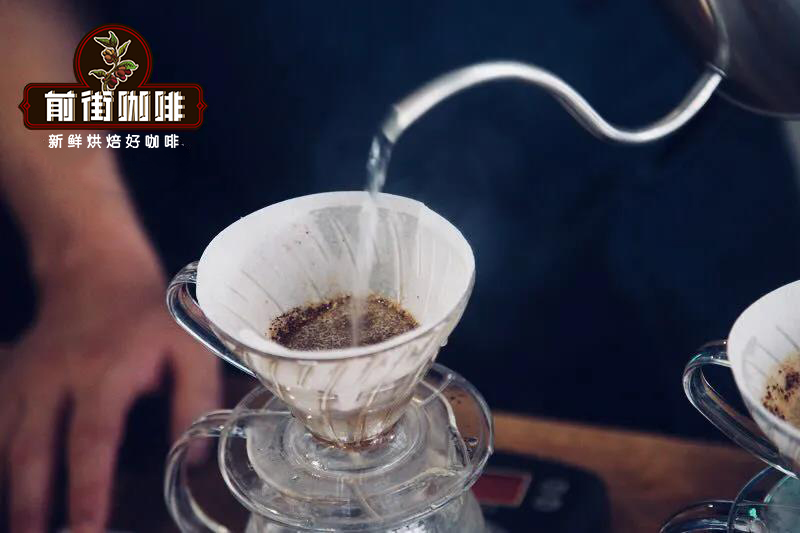 During high-temperature water treatment, fatty acid compounds (such as formic acid and acetic acid) react with sugars to produce citrus or berry flavors; while chlorogenic acid breaks down into bitter components such as quinic acid, which can easily form a sharp acidity if extraction is improper.
Many variables affect the final acidity of coffee: from the altitude of the green bean origin and processing method, to water temperature control, grind coarseness, and even pouring technique during home brewing. Take Kenyan washed beans as an example: their typical tomato acidity and black tea finish are the result of a specific regional climate and washed fermentation process working together.
If you find your pour-over coffee too acidic, first try shortening the extraction time. A longer pouring time causes more acidic substances to dissolve out; it is recommended to keep the total extraction time between 2 minutes 10 seconds and 2 minutes 40 seconds. In practice, you can use a staged pouring method—first pour 30 grams of water and let it bloom for 30 seconds, then pour the remaining water in two stages.
Water temperature adjustment is equally crucial. Professional baristas recommend using 90-93°C hot water to brew light-roasted beans; this temperature range can effectively inhibit excessive release of chlorogenic acid. In winter, water temperature is easily affected by the environment; you can use a thermometer to calibrate, or place the kettle on a warming pad in advance to maintain a stable temperature. Cold brew lovers can choose 4°C refrigerated water; a low-temperature environment can reduce the acidity extraction rate by about 40%.
Grind size adjustment is an easily overlooked step. Too fine a grind increases the contact area between grounds and water, accelerating the release of acidic substances. For high-acidity varieties like Kenya, medium-coarse grind (Chinese standard No. 8-10 sieve) is recommended, with a particle texture similar to fine granulated sugar. If using a V60 dripper, observe whether the flow rate maintains the ideal state of 1-2 drops per second.
Water quality has a significant impact on acidity expression. It is recommended to use filtered soft water to avoid calcium and magnesium ions in the water combining with tannic acid to produce a metallic astringency. The TDS value (total dissolved solids in water) should be controlled within the 70-150 ppm range, which can be tested with a commercially available water quality test pen. Some specialty coffee shops additionally add 5% mineral water to adjust flavor layers.
The brewing ratio also requires scientific proportioning. A common misconception is to reduce the amount of coffee in pursuit of concentration; in fact, a coffee-to-water ratio of 1:15 to 1:17 (e.g., 15 grams of coffee to 225-255 milliliters of water) better highlights sweetness and balances acidity. Precise measurement with an electronic scale helps stabilize output quality, with errors kept within ±0.5 grams.
For people with sensitive stomachs, coffee beans processed with low-acidity methods can be chosen, such as Brazilian anaerobic natural or Sumatra wet-hulled. These processes effectively transform the structure of chlorogenic acid through microbial fermentation or special drying processes. When storing, place coffee beans in a light-proof sealed container to prevent oxygen from accelerating acidity oxidation.


