Beginner's Guide: 6 Low-Acid Coffee Beans and Pour-Over Parameters
Introduction: Faced with a dazzling array of coffee beans, beginners are often put off by sour, astringent flavors. This article selects 6 market-verified low-acid coffee beans, covering classic origins such as Brazil and Colombia, explains in detail the characteristics of medium-dark to dark roasting, and provides key pour-over extraction parameters. From the mellow Yellow Bourbon to the sweetness-forward honey-processed blend, it helps you quickly find a coffee flavor that suits you.
The world of coffee has countless flavors, but for beginners just getting into coffee, high acidity often becomes a barrier to entry. Choosing a coffee bean with balanced taste and mild acidity is an important first step in starting your coffee journey. The following 6 professionally verified low-acid coffee beans are recommended, each labeled with its core origin, processing method and flavor characteristics, to help you precisely match your personal taste preferences.
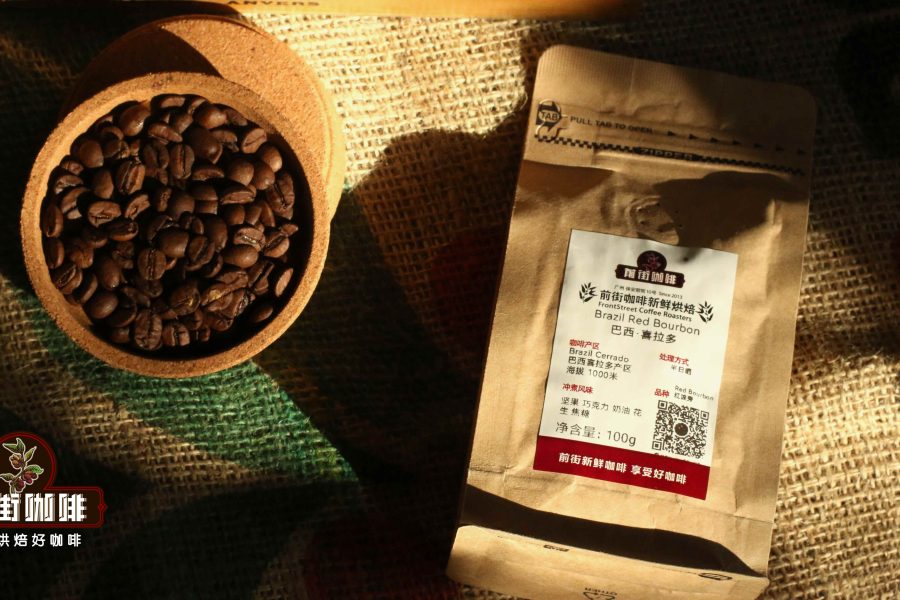
Brazil Cerrado Red Bourbon is a classic representative of low-acid coffee. The Cerrado region at 1,000 meters above sea level uses the semi-washed (pulped natural) process, giving the coffee a mellow base of nuts and chocolate. Its acidity value of around 10% is far lower than ordinary Arabica beans, and with a finish of cream and caramel, it is especially suitable for making milk coffee or enjoying directly as pour-over.
If you prefer a brighter sweetness, the Costa Rica honey-processed blend is worth trying. Through the honey process, which retains the coffee mucilage, this blend of Colombian Huila and Ethiopian Yirgacheffe, at a medium-light roast level, presents a fermented sweetness like strawberry candy while blending floral notes of rose and dried blueberry.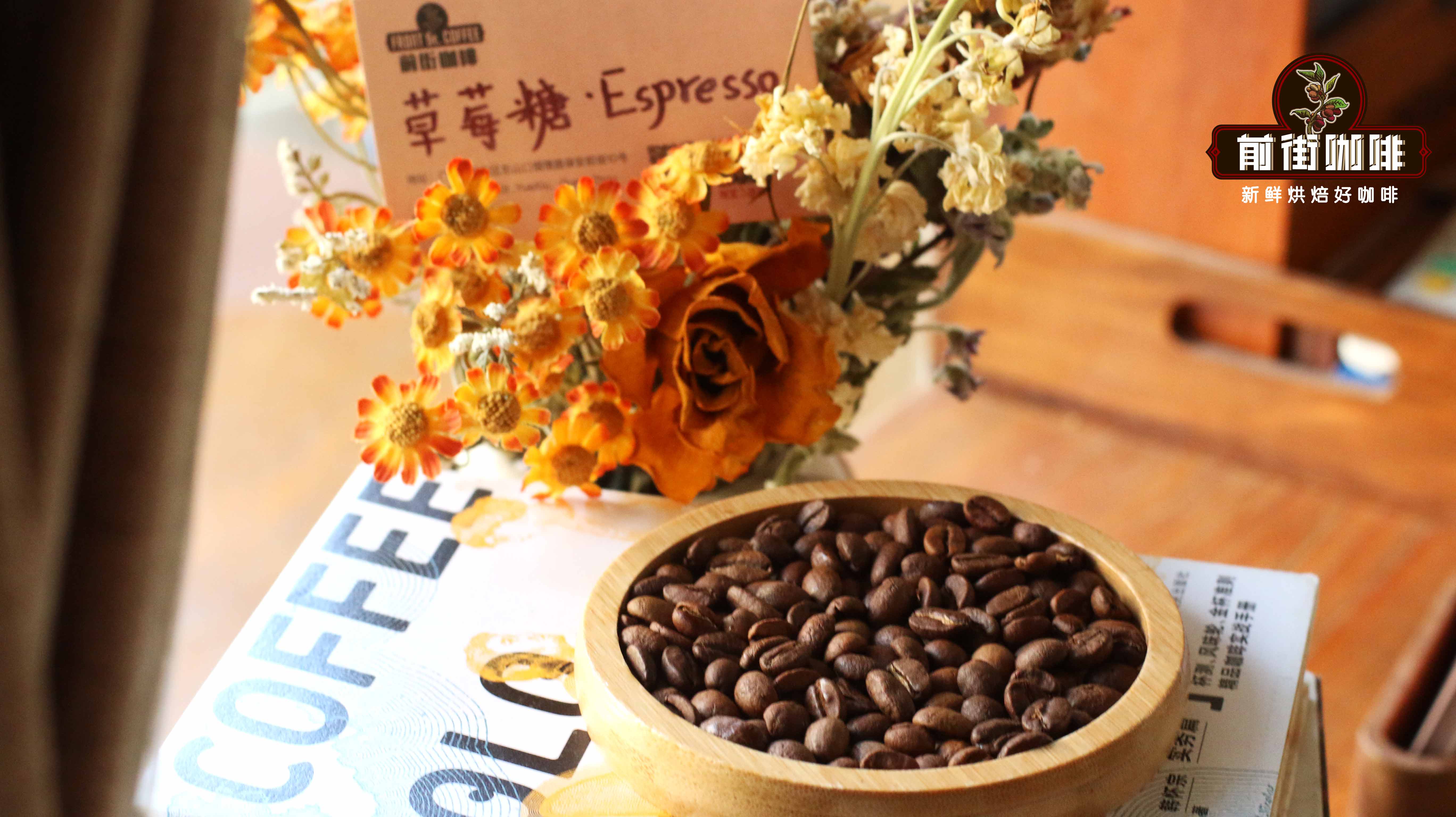 For pour-over, use 92°C water and a 1:15 coffee-to-water ratio, with staged extraction to enhance the sweetness layers.

For those who pursue a full-bodied taste, Indonesian Golden Mandheling is a dark-roast choice not to be missed. The Ateng variety from the Gayo Mountain region of Sumatra, after wet-hulling, at 1,100–1,600 meters above sea level, develops a unique herbal and spice base. Dark roasting further amplifies the aroma of baked toast and pine, and with a full nutty aftertaste, it is a high-quality base for making traditional black coffee.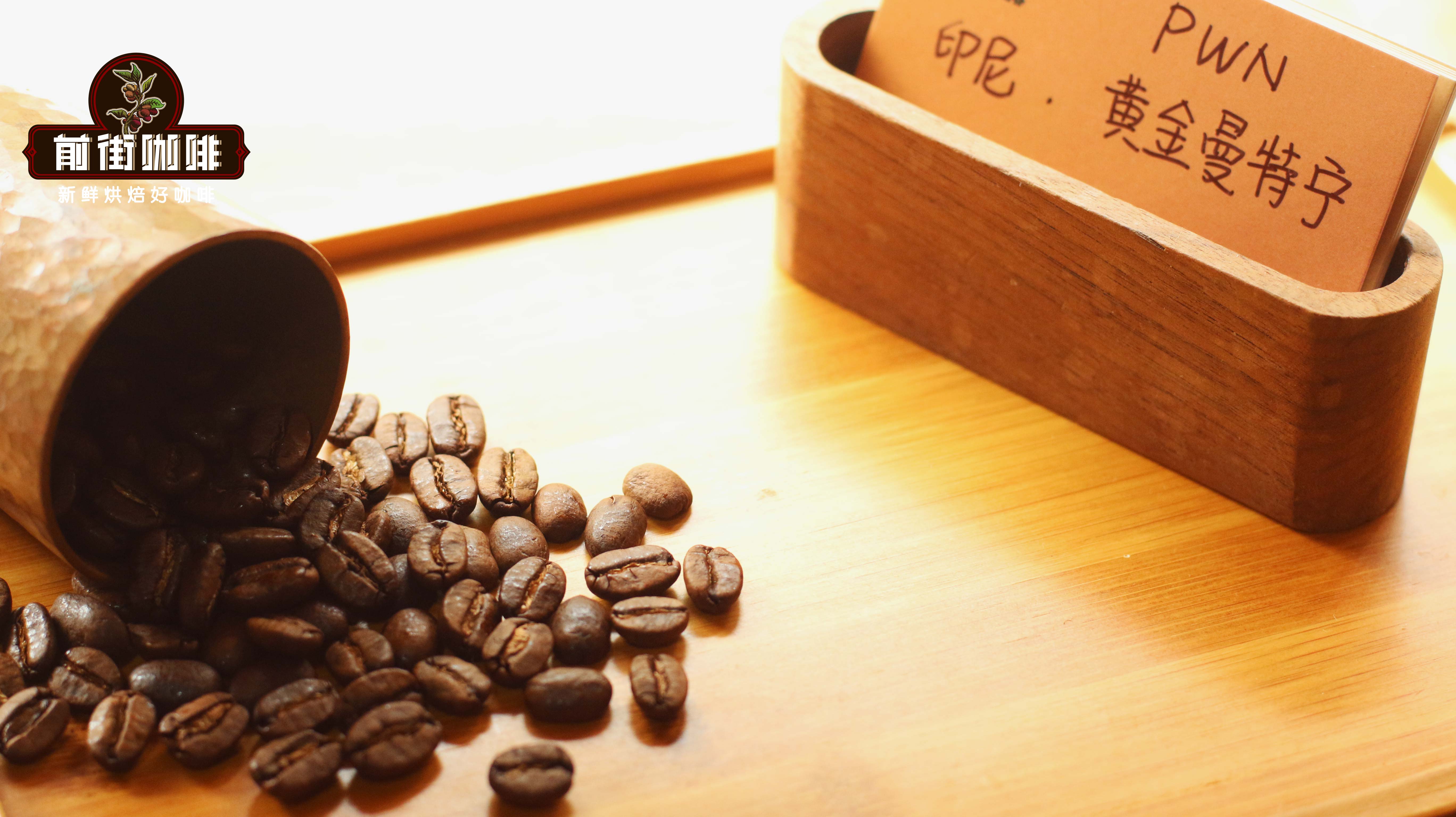
Another classic South American origin, Colombia, has its Caturra variety grown at 1,800 meters in the Huila region, which through washed processing presents a clean chocolate character. Under the medium-dark roast process, the flavors of cream, roasted nuts and cocoa are clearly layered, with acidity controlled in the suitable range of pH 5.8–6.2, making it suitable as an everyday coffee.
Papua New Guinea's Bird of Paradise Estate Typica showcases the elegant qualities of a traditional variety. The pointed, conical beans grown at 1,600–1,800 meters above sea level, after washed processing, retain Typica's signature clean and delicate flavor. The balance of the AA-grade selected beans is especially outstanding, with mild acidity and a subtle citrus finish.
Another high-quality Brazilian region, Cerrado's Yellow Bourbon variety, thanks to the higher glucose content accumulated in the high-altitude environment, develops a unique mellow aroma under medium-dark roasting. Compared with the common Red Bourbon, Yellow Bourbon has more prominent sweetness, and its combination of peanut and caramel flavors makes it a commonly used base bean for espresso blends.
For everyday coffee machine use, the three-origin blend of Brazil, Indonesia and Vietnam provides an all-purpose solution. By integrating the characteristics of the three origins through dark roasting, it ensures the full-bodied support of Vietnamese Robusta while blending the nutty notes of Brazil and Mandheling. When extracted at 93°C, it produces rich crema, perfectly suited to Americano and latte preparation.