Inside Yunnan's Baoshan Coffee Region: Flavor Profile and Pour-Over Picks
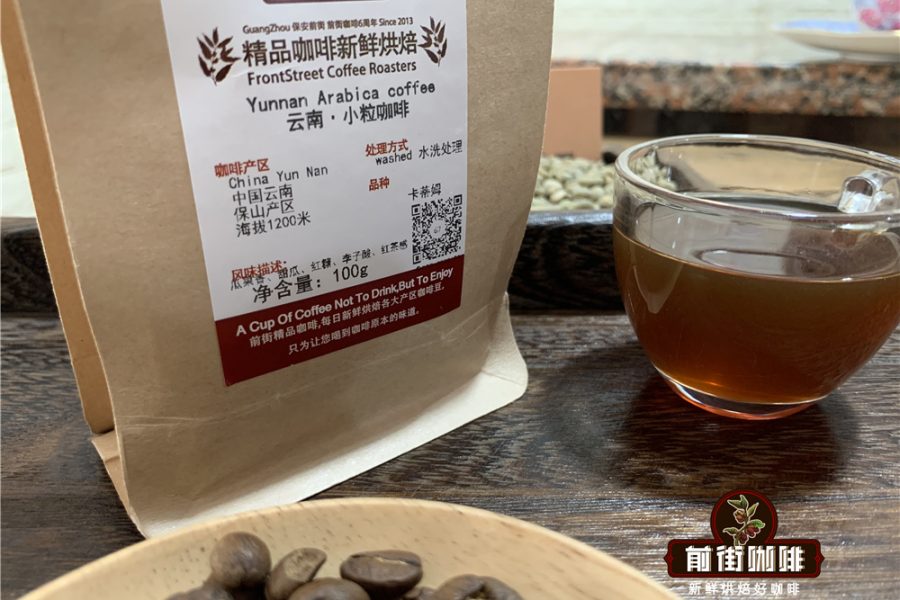
Introduction: Want to know where in Yunnan the best coffee beans are grown? Lujiangba in Baoshan, the birthplace of Chinese arabica coffee, has a 60-year growing history and a unique dry-hot valley climate; its beans are full and plump with bright fruit acidity. This article examines the core advantages of the Baoshan growing region, its flavor characteristics and professional evaluations, and helps you find high-altitude specialty beans suited to pour-over.
Yunnan's mountainous terrain and rich natural resources make it a golden zone for coffee cultivation in China. Data show that when China entered the world's top 20 coffee-producing countries in the 2016/17 season, Yunnan contributed 95% of the national output. Arabica, the higher-quality species, is mainly grown here; washed beans usually undergo clear screen grading—even screen numbers (such as 18 and above) are mostly used for arabica, ensuring bean uniformity.
Among Yunnan's many growing regions, Lujiangba in Baoshan is a living fossil of arabica coffee. In 1952, the first coffee seedlings successfully trialed here by Yunnan agricultural experts came from varieties brought back from Southeast Asia by the patriotic overseas Chinese Liang Jinshan. On this slope at the eastern foot of the Gaoligong Mountains, 60-year-old coffee trees still bear heavily, evidence of its deep growing heritage.
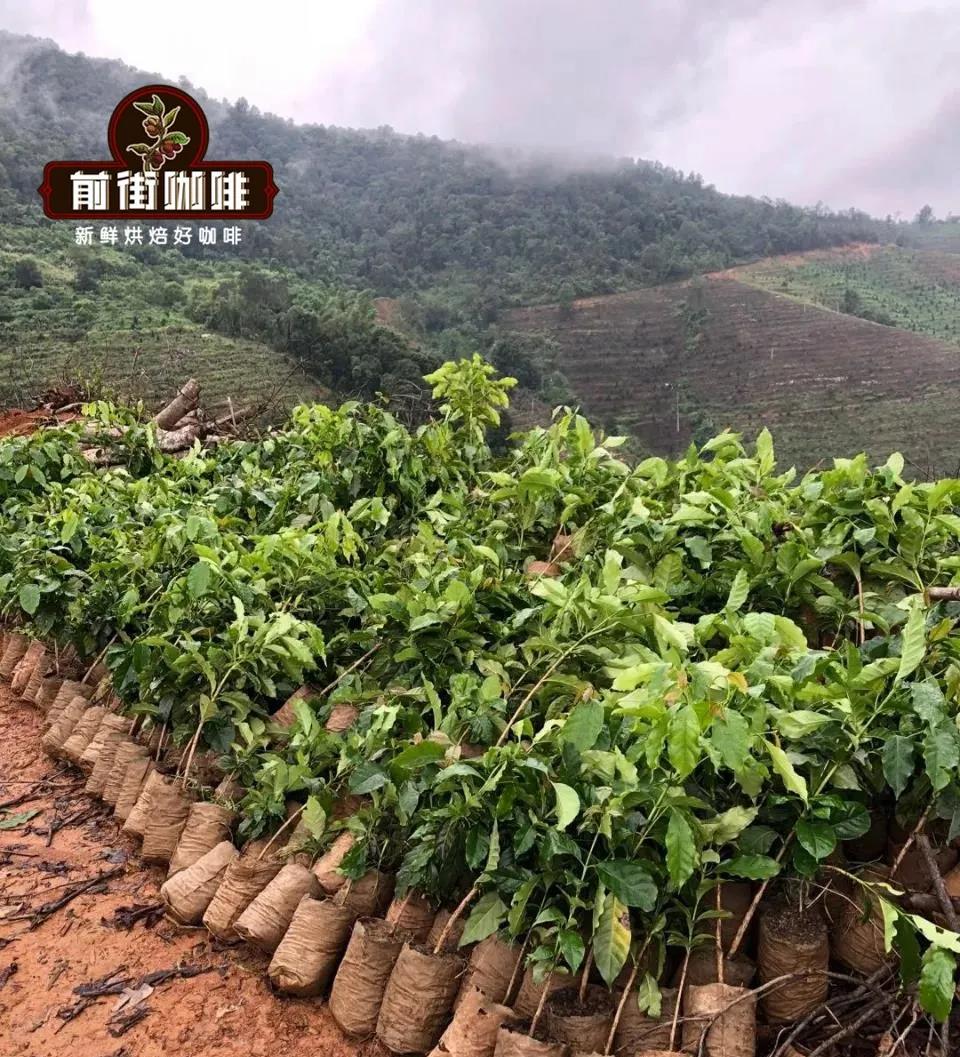
Lujiangba's unique "natural greenhouse" environment produces the coffee's outstanding quality: the mountainous slope terrain brings a marked day-night temperature difference, and the dry-hot valley climate combined with acidic red soil allows the coffee fruit to accumulate sufficient sugars. The arabica coffee produced here has three typical characteristics—uniform, plump beans, bright citrus-like fruit acidity, and a balanced body and aroma, with mild bitterness and a caramel finish.
Coffee in the high-altitude growing areas (usually 1,200–1,800 meters) has a long growth cycle, and its flavor complexity is closer to international specialty standards. Professional cupping shows that the harmony of sweetness and acidity in some Baoshan micro-lots contrasts sharply with Jamaican Blue Mountain coffee. These qualities earned it a first-grade rating as "Lujiangba No. 1" on the London market in the late 1950s, and in 1993 it won the "Eureka" gold medal in Brussels, Belgium.
For coffee lovers, Baoshan beans are an excellent pour-over choice: a medium-fine grind is recommended (70–75% passing a No. 20 Chinese standard sieve), with water at 90–93°C and a 1:15 coffee-to-water ratio for staged extraction. Take care not to extend the bloom too long (30 seconds or less is recommended) to avoid emphasizing overly strong herbal notes. Honey-processed lots from some local estates also present richer tropical-fruit notes.
From research centers to commercial growing areas, Lujiangba continues to supply technical experience to Yunnan's coffee industry. Its success lies not only in geographical advantages but also in the cultivation and management skills accumulated by generations of farmers—including precise pruning cycles, the proportion of shade trees, and control of ripeness at harvest. Together these details have shaped Baoshan coffee's benchmark status in the professional field.


