Is Sour Espresso Normal? Fix Extraction With 5 Parameter Adjustments
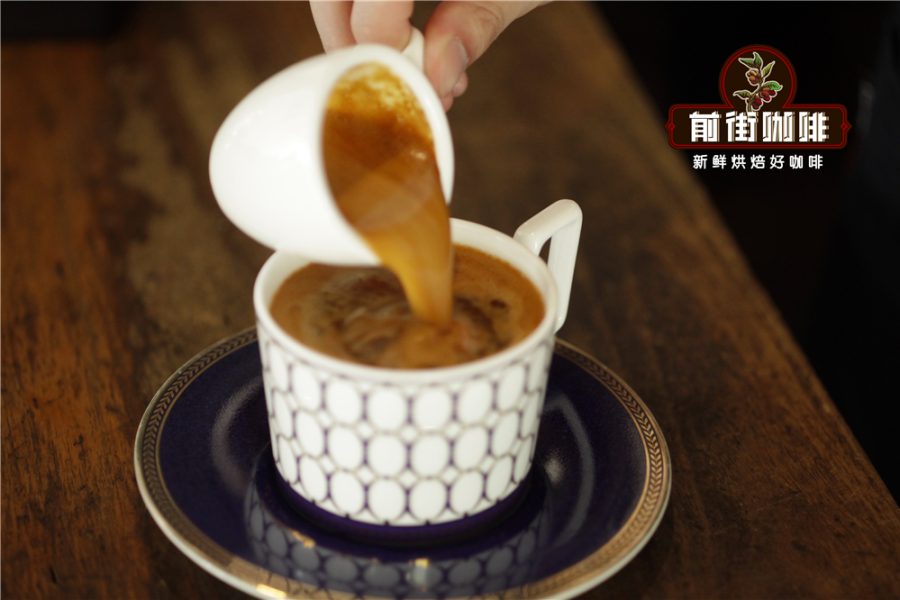
Introduction: Many coffee enthusiasts, when first trying to make espresso at home, are often troubled by a pronounced sourness. In fact, high-quality espresso should be primarily rich and full-bodied; sourness and astringency usually stem from improper extraction parameters. This article explains in detail how to adjust key variables such as grind size, dose-to-yield ratio, and extraction time to help you find the sweetness and balance coffee should have, and explains the real reasons sourness occurs.
When you pick up a freshly made espresso and taste a sharp sourness on the first sip, you need not doubt your sense of taste—this cup of coffee very likely has obvious defects. Professional baristas generally agree that a high-quality espresso should present an intense, full-bodied mouthfeel, accompanied by moderate caramel sweetness and a soft bitterness, rather than a pungent acidity resembling unripe fruit.
The coffee sourness we often speak of mainly comes from two aspects: first, the natural fruit acids such as citric acid and malic acid contained in the green beans themselves, which are especially common in Arabica beans; second, flavor imbalance caused by improper parameters during extraction. It is particularly important to note that when hot water fails to fully extract the soluble substances in the coffee grounds, acidic compounds dissolve first, creating an unpleasant sharp sourness.

To improve this situation, the most direct solution is to start with the basic extraction parameters. The first is adjusting the grind size—for most espresso machines, it is recommended to set the grind to a texture close to fine granulated sugar. Particles that are too coarse cause water to pass through the coffee bed too quickly, resulting in insufficient extraction; but also avoid over-grinding, which leads to channeling. It is recommended that each adjustment not exceed 1/4 turn of the dial.
Second is controlling the dose-to-yield ratio, with the industry standard range usually between 1:1.8 and 1:2.2 (that is, 18-22 grams of coffee to 36-44 milliliters of water). Beginners can start with a baseline ratio of 1:2 and observe the flow rate of the extracted liquid: ideally, about 30 milliliters of golden crema layer should be produced within 20-30 seconds. If the flow is too fast and appears light brown, it indicates that you need to grind finer or increase the dose.
Extraction time is equally critical; a complete single shot is recommended to be kept within the 25-30 second range. The initial stage can be optimized through pre-infusion: first inject a small amount of hot water and let it bloom for 2-3 seconds to help the coffee grounds release gas and expand before formal extraction. This step allows the subsequent water flow to penetrate the puck more evenly, improving the overall extraction yield.
In addition to these core parameters, attention should also be paid to the freshness and roast level of the coffee beans. Dark-roasted beans naturally contain lower levels of acidic substances and are more suitable for those pursuing an intense flavor; while coffee beans stored for more than three weeks will lose flavor due to oxidation, and even parameter adjustments will hardly achieve ideal results. It is recommended to control each purchase quantity to a size that can be used up within two weeks, and to store the beans sealed in a cool, dark place.
Finally, remember that every coffee bean has its own unique optimal extraction window. It is recommended to keep notes recording the parameter combinations and flavor feedback of each adjustment, and through systematic comparative testing find the plan best suited to your equipment and taste preferences. Remember, an ideal espresso should be like a harmonious symphony—sour, sweet, bitter, and full-bodied flavor elements each playing their part while balancing one another.


