How to Choose Pour-Over Coffee Grind Size: Matching Roast Level and Grind
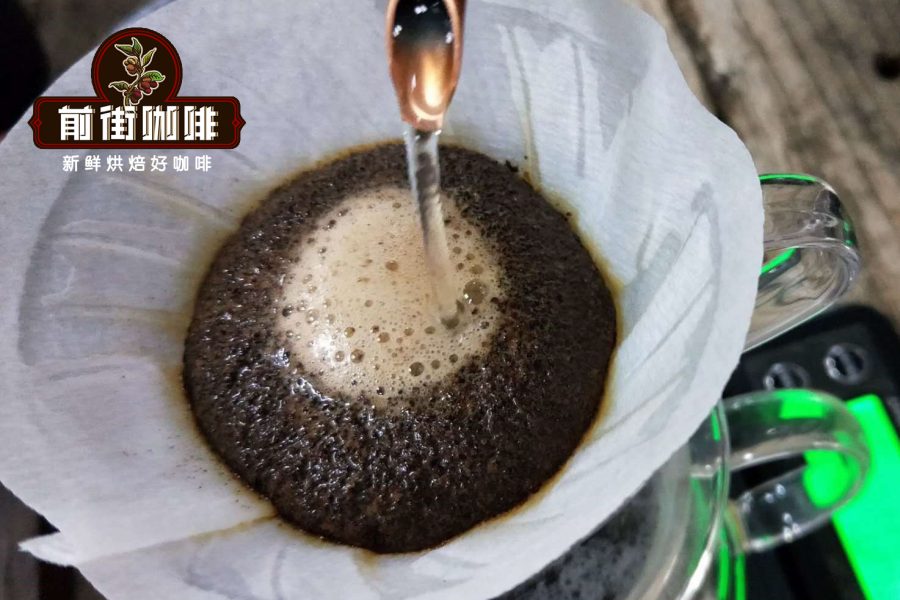
Introduction: Why does your pour-over coffee never taste as professional as a café's, even with the same equipment? The key may lie in the coarseness of the coffee grounds! Grind size not only affects coffee strength and flavor but is also closely tied to roast level. This article explains the optimal grind ranges for light, medium, and dark roasts, and teaches you to adjust parameters by observing the coffee bed and flow rate to avoid over-extraction or under-extraction and easily improve your pour-over quality.
Many coffee enthusiasts trying pour-over for the first time run into the same puzzle: they follow the tutorial exactly, yet never achieve the layered flavors of a café. The problem often lies in the seemingly simple step of grinding—the choice of grind size directly affects extraction efficiency and the resulting taste.
When making pour-over coffee, professional baristas adjust grind size dynamically according to the roast level of the beans. Dark-roasted beans usually require a coarser grind (similar to granulated sugar), because deep roasting makes the beans porous and their cell walls easier to break; light-roasted beans are best ground finer (close to sea salt), as these beans have a dense structure and need more contact surface to release flavor compounds.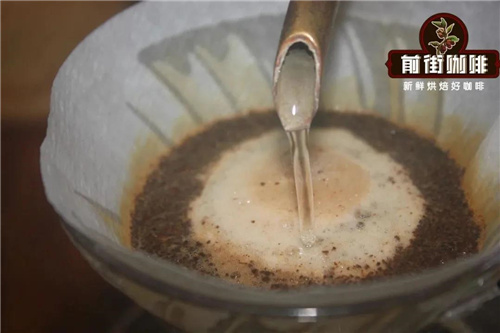
Grind size is inversely related to extraction yield: when other parameters (water temperature, coffee-to-water ratio, etc.) stay the same, the finer the grounds, the greater the total surface area in contact with water, and the faster soluble compounds dissolve. This lengthens extraction time, making acids, oils, and bitter components easier to extract, yielding a heavier, more intense cup. Conversely, coarser grounds leave more gaps, water passes through quickly, and under-extraction is likely—producing a thin flavor that often carries a grassy, green-bean note.
In practice, watch out for two common mistakes: chasing too fine a grind compacts the coffee bed, causing slow flow or even clogging the filter paper; and grinding too coarse without raising the water temperature or extending brew time may fail to fully extract the coffee's sweetness and aroma. Beginners should judge grind suitability by observing the flow rate—ideally, the coffee should drip evenly at 1–2 drops per second, with the whole extraction lasting 2.5 to 3 minutes.
A simple way to tell whether your grind matches your roast level: light-roasted beans should show an even, grainy texture after grinding and not easily crush to powder between your fingers; dark-roasted beans should feel relatively loose after grinding, with no obvious coarse particles left. If the brew has a sharp, astringent sourness, the grind may be too fine and over-extracting; if it tastes flat as water, grind finer and check whether your coffee-to-water ratio is reasonable.


